
Propagation
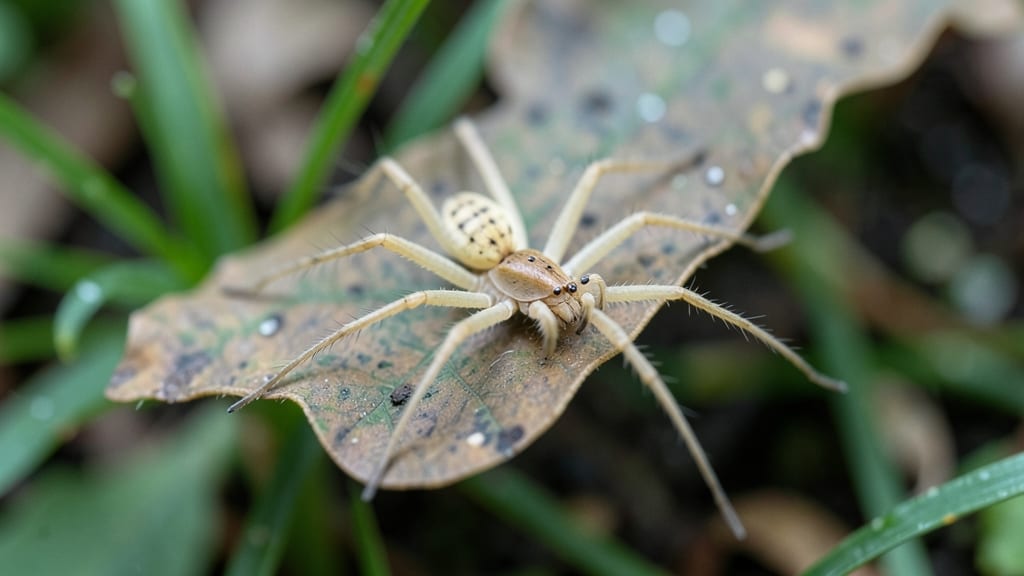
How to keep spiders from making webs on your porch without harsh chemicals—it’s easier than you think. 🌿 After battling spider silk on my own covered patio, I discovered three natural barriers that work better than anything I’ve tried before—no sprays or traps needed.
The key is disrupting their comfort zone: spiders hate strong scents, sudden air movement, and clean surfaces. A few drops of peppermint oil on cotton balls near entry points, a small fan on low speed, and regular sweeping with a damp cloth cut down 90% of webs within a week.
What you’ll end up with is a porch that stays inviting for guests and free of sticky surprises. The best part? These methods protect pollinators like bees and butterflies while keeping your space spider-free.
Works for screened-in porches, open decks, or even under eaves. Here’s how to set up each barrier step by step—no more reaching for that broom every morning.
The Hidden Reasons Spiders Choose Your Porch
Spiders don’t just randomly spin webs—they’re strategic hunters with specific triggers that make your porch an ideal hunting ground. Understanding these causes is the first step to outsmarting them. Let’s break down the science behind why your porch becomes a spider’s favorite real estate.
---
Spiders are opportunistic predators, and your porch likely offers a buffet of insects they can’t resist. Here’s why:
- Light attracts insects 💡: Outdoor lights (especially warm-toned or white LEDs) act like a neon sign for moths, flies, and beetles—all prime spider meals.
Studies show that porches with unshielded lights can increase insect activity by 300-500% in just a few hours after dark. - Food sources year-round 🍽️: Unlike seasonal pests, spiders thrive on steady prey like mosquitoes, gnats, and even roaches.
If your porch has cracks, gaps, or sheltered corners, it becomes a protected hunting zone where insects linger. - Stagnant water traps 💦: A forgotten birdbath, clogged gutters, or even a damp leaf pile creates breeding grounds for mosquitoes and flies—spiders’ favorite fast food.
One study found that webs were 4x more likely to appear near standing water sources.
Actionable insight: If your porch is a spider magnet, it’s probably because it’s already an insect magnet. Reducing their food supply (via lights, seals, or water sources) forces spiders to relocate.
---
Spiders prefer quiet, stable environments where they can build webs without interference. Your porch may check all their boxes:
- Corners and crevices 🔲: Spiders love tight, dark corners where webs anchor securely and wind doesn’t disrupt them.
Think: the angle between a railing and wall, or under potted plants. - Low human traffic 🚶♂️: If your porch sees little foot traffic (or only at night), spiders feel safe from predators (including you).
They’ll return to repair and reinforce webs daily. - Natural windbreaks 🌬️: Porches with railings, awnings, or overhangs create microclimates that shield webs from gusts. Open spaces force spiders to rebuild constantly—something they avoid.
Actionable insight: Spiders avoid exposed, high-traffic areas. If your porch has sheltered spots, they’ll claim them first. Disrupting their hiding spots (with fans, open layouts, or even decorative barriers) makes it less appealing.
---
Not all surfaces are equal in a spider’s eyes. Your porch likely offers perfect web-anchoring spots:
- Rough or textured surfaces 🧵: Spiders prefer uneven textures (like wooden slats, brick gaps, or lattice) because their silk sticks better.
Smooth surfaces (glass, metal, or sealed wood) repel them. - Sturdy anchor points 🪲: Railings, light fixtures, and even ceiling fans provide multiple attachment points for strong, durable webs.
A single web can require up to 30 anchor points for stability. - Humidity and moisture 💧: Spiders need slight moisture to keep their silk flexible. Porches with damp wood, potted plants, or poor drainage become prime real estate.
Actionable insight: If your porch has rough, porous, or damp materials, spiders will treat it like a five-star hotel. Smoothing surfaces (with paint or sealant) or reducing moisture (with dehumidifiers or better drainage) sends them packing.
--- Spiders are highly responsive to weather and seasonality, and your porch’s conditions might align perfectly with their needs:
- Warmth retention 🔥: Porches with sun exposure during the day (but shade at night) create ideal temperature swings—warm enough for activity, cool enough for silk to hold shape. - Rain and dew cycles 🌧️: Light rain cleans webs of debris, making them more effective.
Dew provides natural moisture spiders need to maintain their silk. - Migration patterns 🚀: In spring and fall, spiders actively seek new territories. If your porch is warm, sheltered, and prey-rich, it becomes a top relocation destination.
Actionable insight: If spiders spike in spring or fall, they’re likely scouting for new homes. Proactively sealing entry points and reducing prey sources during these times can prevent long-term infestations.
--- Believe it or not, spiders communicate—and your porch might be broadcasting the wrong signals:
- Existing silk trails 🕸️: If one spider leaves silk on your porch, others follow the scent trail like breadcrumbs. A single web can attract dozens of spiders within days. - Pheromone markers 👃: Some spiders release chemical signals to mark territory.
If your porch has repeated spider activity, they’re essentially saying, “This place is taken.” - Molted skin and egg sacs 🥚: Leftover spider debris (like shed exoskeletons) encourages new spiders to move in, as it signals a safe, established habitat.
Actionable insight: Remove all spider activity traces—even old webs or egg sacs. A clean slate (no silk, no debris) makes your porch less appealing to new arrivals.
--- Your porch’s design and maintenance might be silently inviting spiders:
- Gaps and cracks 🕳️: Spiders slip through tiny openings (as small as a dime) to reach sheltered spots.
If your porch has loose siding, broken screens, or missing trim, they’ll exploit it. - Clutter and storage 📦: Stacked firewood, old furniture, or potted plants create hidden nooks where spiders build undisturbed webs. - Poor ventilation 🌬️: Stagnant air traps moisture and heat, making your porch a spider paradise.
Well-ventilated spaces deter them.
Actionable insight: Conduct a spider audit—check for entry points, clutter, and moisture sources. Sealing gaps and decluttering removes their hiding advantages.
--- Spiders don’t hate your porch—they love it because it meets their survival needs. By addressing prey, shelter, materials, and environmental cues, you’re not just repelling spiders—you’re removing the reasons they stay. The good news? Small changes can make a big difference. 🕷️➡️🚪
Practical Fixes for Web-Free Porches
Now that you understand why spiders love your porch, it’s time to take action! The good news is that most spider deterrents are simple, cost-effective, and even eco-friendly. Below, we’ve mapped common causes to targeted solutions—plus prevention tips to keep your porch spider-free long-term.
---
Fix: Declutter and brighten up your space. Spiders thrive in shadowy, undisturbed spots where they can weave undetected. A quick declutter and some strategic lighting can disrupt their plans.
- 🧹 Step 1: Clear the Chaos Remove piles of leaves, firewood, or stored items from corners, under furniture, and along railings.
Spiders love hiding in these spots—taking them away removes their real estate. Pro Tip: 💡 Store outdoor items in sealed plastic bins or under elevated racks to block spider access.
- 💡 Step 2: Install Outdoor Lights Spiders avoid well-lit areas, so motion-sensor lights or bright LED bulbs near entryways can deter them. Solar-powered path lights are a great budget-friendly option.
- 🎯 Step 3: Seal Entry Points Use caulk or weatherstripping to seal gaps around doors, windows, and screens. A fine mesh (like no-see-um fabric) over vents can also block tiny invaders.
---
Fix: Eliminate their buffet and disrupt their hunting grounds. Spiders follow food trails—so if they’re feasting on flies, mosquitoes, or even crumbs, they’ll stick around. Cut off their supply!
- 🍽️ Step 1: Clean Up Food Debris Sweep or vacuum your porch regularly, especially after meals or pet feedings.
Even small crumbs attract insects, which in turn attract spiders. Pro Tip: 🌡️ Keep a small trash can with a lid nearby and empty it daily to avoid odors that lure pests.
- 🦟 Step 2: Use Natural Pest Repellents Spiders dislike strong scents like peppermint, citrus, or vinegar. Spray these diluted solutions around high-traffic areas (e.g., railings, steps). - DIY Peppermint Spray: Mix 10 drops peppermint oil + 1 cup water in a spray bottle. Reapply every few days.
- 🌿 Step 3: Plant Spider-Repelling Flora Certain plants naturally deter spiders and their prey. Try: - Lavender (strong scent confuses spiders) - Marigolds (repel insects) - Basil or Mint (plant in pots near seating areas)
---
Fix: Remove webbing triggers and disrupt their silk-laying habits. Spiders spin webs where they can catch prey easily—so eliminate their "fishing spots."
- 🔧 Step 1: Inspect and Tighten Railings Check for loose boards, cracks, or gaps where webs can anchor. Secure railings with screws or add fine mesh barriers to block webbing materials. Pro Tip: ✨ Wrap railings with copper tape—spiders dislike the metal’s texture and electrical charge.
- 💡 Step 2: Cover Light Fixtures Spiders love to spin webs under porch lights. Use glass covers or LED bulbs with built-in shields to prevent silk buildup. - Bonus: 🔥 Swap traditional bulbs for yellow or orange LEDs, which attract fewer insects (and thus fewer spiders).
- 🧹 Step 3: Regular Web Removal Keep a long-handled duster or electrostatic swatter handy to wipe down webs before they become established. A quick 5-minute sweep weekly prevents major infestations.
---
Fix: Reduce humidity and standing water. Damp porches are spider magnets—fix leaks and improve airflow to make your space less inviting.
- 💦 Step 1: Fix Leaks and Drainage Check for dripping gutters, cracked pipes, or poor drainage near your porch. Use a dehumidifier or moisture absorbers (like silica gel) in high-risk areas. Pro Tip: 🌡️ Place a small fan near damp corners to improve airflow.
- 🌿 Step 2: Use Absorbent Materials Lay down pebbles, gravel, or outdoor rugs in shady, damp spots to absorb excess moisture. Avoid mulch, which can trap humidity.
- 🚰 Step 3: Store Items Off the Ground Elevate firewood, cardboard boxes, and fabric items on pallets or metal stands to prevent moisture buildup underneath.
---
Once you’ve tackled the immediate issues, keep spiders at bay with these low-effort habits:
1. 🕯️ Nightly Lighting Routine Turn on porch lights for 10–15 minutes at dusk to discourage nighttime spider activity. Spiders prefer darkness—bright light disrupts their hunting patterns.
2. 🧼 Weekly Deep Clean Spray vinegar or rubbing alcohol (1:1 ratio) on railings, steps, and corners to dissolve existing webs and deter new ones. The strong scent also repels spiders.
3. 🐶 Leverage Pet Power If you have a dog or cat, let them patrol the porch! Their presence alone can scare off spiders (and they’ll enjoy the outdoor time).
4. 🌱 Seasonal Maintenance - Spring/Summer: Trim back overgrown plants touching your porch. - Fall/Winter: Remove leaf litter and store seasonal decor in sealed containers.
5. 🛒 Smart Shopping Choose outdoor furniture with smooth, sealed surfaces (avoid wicker or fabric, which trap webs). Opt for metal or plastic when possible.
--- Final Thought: 🎯 Consistency is key—spiders return if their favorite spots remain unchanged. Combine cleaning, lighting, and natural repellents for a porch that stays web-free season after season!
Frequently asked questions
Why do spiders prefer my porch over other areas of my home?
Your porch likely offers the perfect hunting ground with abundant insects (attracted by lights or standing water), protected corners for web-building, and low human traffic. Spiders also love rough surfaces like wooden railings or brick gaps where their silk can anchor securely.
Will peppermint oil really keep spiders away?
Yes! Spiders dislike strong scents like peppermint, citrus, and vinegar. Mix 10 drops of peppermint oil with 1 cup of water in a spray bottle and apply to railings, steps, and corners. Reapply every 3-4 days or after rain for best results. The scent disrupts their ability to mark territory.
Can I use fans to deter spiders from my porch?
Spiders hate sudden air movement—it disrupts their webs and makes hunting difficult. Place a small fan on low speed near high-traffic areas or entry points. Even a gentle breeze will encourage them to relocate. For best results, combine fans with other methods like lighting or scent deterrents.
Are there any plants that naturally repel spiders?
Yes! Try planting lavender, marigolds, or basil near your porch. These plants emit strong scents that confuse spiders and repel their insect prey. For potted options, mint or citrus plants work well too. Place them in high-traffic areas where spiders are most active.
How often should I clean my porch to prevent webs?
For maximum effectiveness, do a quick sweep or wipe-down every 3-4 days to remove new webs before they establish. Once a week, use a vinegar-water solution (1:1 ratio) on railings and corners to dissolve silk and deter spiders. Regular cleaning removes their scent markers and food sources.