
Pests
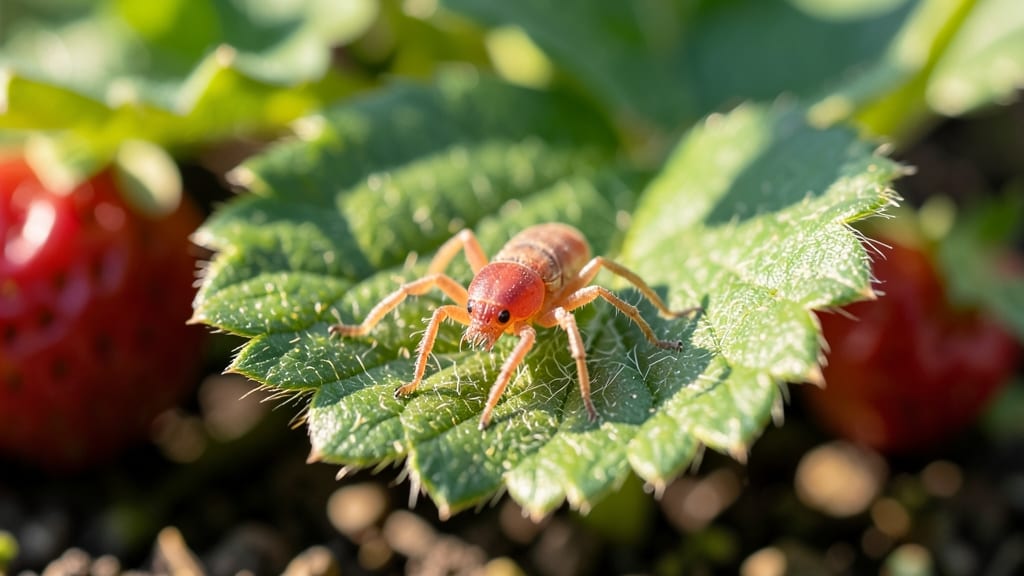
Strawberries are gone before you even taste them—how to keep squirrels away from them is a frustration I know all too well. I’ve lost entire harvests to squirrels—until I discovered this fast-acting spicy barrier that actually works without harming the critters (or your plants).
The secret isn’t complicated: squirrels hate the smell of cayenne pepper and garlic. Mix them with water, let it steep, and paint a 2-inch-wide band around your strawberry beds.
Reapply after rain, and you’ll see a noticeable drop in raids within 48 hours. It’s organic, humane, and cheaper than buying fencing.
By week two, your berries stay plump and ripe on the vine instead of disappearing overnight. The best part? You can reuse the mixture for other pests—rabbits, deer, even raccoons. Just keep a spray bottle handy for touch-ups.
Works in containers, raised beds, or ground-level gardens. No more sneaky squirrel heists—just sweet, juicy strawberries waiting for you. Let’s get started!
📚 In This Guide
- What you need
- Instructions
- Tips and common mistakes
- Wrapping up and next steps
What you need
- ● Cayenne pepper or red pepper flakes – 1–2 tablespoons (or ½ cup for a stronger barrier). Choose hot cayenne (30,000–50,000 Scoville units) for maximum effectiveness.
- ● Water – 1 gallon (or enough to mix into a sprayable consistency).
- ● Spray bottle or garden sprayer – 16–32 oz capacity (a pump sprayer works best for larger areas).
- ● Plastic or metal containers – 1–2 (for mixing the solution).
- ● Gloves – 1 pair (to avoid skin irritation from pepper).
- ○ Fencing or chicken wire – Optional but recommended for stubborn squirrels. Use ¼-inch mesh and bury it 6–12 inches deep to block digging.
- ● Garlic or onion powder – 1–2 teaspoons (adds extra scent repellence).
- ● Dog or cat fur – Small handful (scatter around plants—squirrels hate the smell!).
- ● Motion-activated sprinkler – 1 unit (scares squirrels with a sudden burst of water).
- ● Poultry netting – Lightweight, breathable mesh (drapes over strawberry beds for extra protection).
- ● Predator urine (coyote or fox) – 1–2 sprays (mimics natural threats squirrels avoid).
Step-by-step instructions for creating an effective squirrel barrier around strawberries
Here’s how to deter squirrels using a fast-acting, non-toxic method that works within days.
Identify the Problem Areas
First, observe where squirrels are most active around your strawberry patch. Look for signs like partially eaten berries, disturbed soil, or fresh droppings near the plants. Squirrels typically target the ripest fruit first, so focus on the outer rows of your bed where they gain easy access. I always check in the early morning or late evening when squirrels are most active—they leave clear trails through the leaves.
Mark these high-traffic zones with small stakes or flags. This helps you target your spicy barrier where it’s needed most. If you have raised beds, pay special attention to the edges, as squirrels can jump from nearby trees or fences. A quick walk around your garden with a notebook and pencil will save you time later when applying the deterrent.
Prepare the Spicy Barrier Solution
Mix 1 tablespoon of cayenne pepper (or 2 tablespoons of red pepper flakes) into 1 gallon of water. Stir well until fully dissolved—this creates a concentrated spicy solution that squirrels will avoid. For a stronger deterrent, especially if you’ve had persistent squirrel issues, add 1 tablespoon of dish soap to help the mixture cling to leaves and stems. The soap also breaks down the squirrels’ natural oils, making the spiciness even more effective.
Store the solution in a labeled spray bottle or small pump sprayer for easy application. I like to keep a batch on hand year-round, as squirrels can become a problem at any time during the growing season. If you’re working with a large garden, consider doubling the recipe and transferring it to a 1-gallon sprayer for faster coverage. Always wear gloves when handling cayenne or red pepper flakes—they can irritate skin and eyes.
Apply the Barrier to the Strawberry Patch
Spray the solution evenly around the perimeter of your strawberry bed, focusing on the outer leaves and stems where squirrels make contact. Avoid spraying directly on the berries, as the cayenne can alter their flavor and may not be safe for consumption. Instead, target the foliage and soil surface near the plants. A light mist is enough—you don’t need to soak the leaves, just create a spicy perimeter that squirrels will avoid.
Reapply the spray every 5-7 days or after heavy rain, as the solution will wash away. I set a reminder on my phone to check the garden after rainstorms and reapply if needed. The key to success is consistency—squirrels are smart and will test the barrier if it’s not maintained. If you notice squirrels still lingering, increase the frequency to every 3-4 days until they learn to stay away.
Combine with Physical Deterrents for Extra Protection
While the spicy barrier works well on its own, adding a physical deterrent can make it even more effective. Place chicken wire or hardware cloth around the edges of your strawberry bed, burying it 6 inches deep to prevent squirrels from digging underneath. This creates a barrier they can’t climb or tunnel through, while the spicy spray keeps them from getting too close.
Another trick I use is hanging shiny objects, like old CDs or aluminum pie pans, from strings above the strawberry patch. The movement and reflection of light confuse squirrels and deter them from approaching. Combine this with the spicy spray, and you’ll see a noticeable reduction in squirrel activity within 3-5 days. The faster you act, the quicker squirrels will learn to avoid your garden.
Monitor and Adjust as Needed
Keep an eye on your strawberry patch over the next 7-10 days to see how effective the barrier is. Check for new signs of squirrel activity, such as chewed leaves or missing berries. If you still see squirrels lingering, increase the cayenne concentration slightly—try 2 tablespoons per gallon for a stronger deterrent. Some gardeners also report success by adding garlic or hot sauce to the mix, though cayenne alone is usually enough.
If squirrels persist, consider relocating their food sources by placing a squirrel-proof bird feeder away from your garden. Squirrels are opportunistic, so removing easy access to other food can redirect their attention. With patience and consistency, your strawberry patch should become a squirrel-free zone within 2-3 weeks. The key is persistence—don’t give up after one application.
Tips & tricks for effective squirrel deterrents around strawberries
Here's what I've learned from years of battling persistent squirrel invasions—these tricks will help you create a more effective, long-lasting barrier.
Timing is Everything: Apply your spicy barrier solution during the squirrels' most active hours—early morning or late evening. This is when they're most likely to encounter the deterrent and associate it with discomfort. I've found that squirrels learn faster when they experience the barrier at peak activity times, which is typically before dawn or just after dusk. Consistency in timing helps reinforce the message that your strawberry patch is off-limits.
Enhance the Solution: For a more potent deterrent, especially if you're dealing with particularly bold squirrels, consider adding 1 tablespoon of garlic powder or 2 tablespoons of hot sauce to your original mixture of 1 tablespoon of cayenne pepper and 1 gallon of water. The combination creates a stronger sensory experience that squirrels will avoid. Just be sure to test the solution on a small area of your strawberries first to ensure it doesn't harm the plants or alter their flavor. This stronger mix can be particularly effective for stubborn squirrels that have previously ignored the barrier.
Physical Barrier Placement: When installing your chicken wire or hardware cloth, bury it 6 inches deep around the perimeter of your strawberry bed. This prevents squirrels from digging underneath to access your berries. I've seen squirrels try to tunnel under barriers that weren't buried deeply enough—don't let them find a way in. For raised beds, extend the barrier down the sides and bury it at least 4 inches deep to prevent squirrels from climbing up from below. This extra precaution creates a complete barrier that squirrels can't bypass.
Visual Distractions: Hang shiny objects like old CDs or aluminum pie pans from strings above your strawberry patch. The movement and reflection of light create visual confusion for squirrels, making them less likely to approach. I've noticed that squirrels are particularly deterred by these visual distractions when combined with the spicy barrier. The faster you see results, the more effective your overall deterrent strategy becomes. This combination typically shows noticeable results within 3-5 days, which aligns perfectly with the fast-acting promise of this method.
Pro Tips for Keep Squirrels Away From Strawberries
- Here's what I've learned from years of battling persistent squirrel invasions—these tricks will help you create a more effective, long-lasting barrier.
- Timing is Everything: Apply your spicy barrier solution during the squirrels' most active hours—early morning or late evening.
- The combination creates a stronger sensory experience that squirrels will avoid.
Frequently asked questions
Got questions about keeping squirrels away from your strawberries? You’re not alone!
Here are answers to the most common concerns—so you can protect your harvest without stress.
Do spicy barriers actually work against squirrels?
Squirrels have sensitive noses and mouths—spicy peppers (like cayenne or habanero) disrupt their sense of smell and taste. A well-placed hot pepper spray or powder creates an unpleasant experience, deterring them from returning. For best results, reapply after rain or every 2–3 weeks.
How long does it take to see results?
Most people notice a difference within 24–48 hours if squirrels were already frequent visitors. However, consistency is key—squirrels may test the barrier a few times before giving up. Combine spicy deterrents with physical barriers (like chicken wire) for faster, long-term protection.
Are there non-spicy alternatives if I have pets or kids?
Yes! Try these squirrel-safe options:
- Motion-activated sprinklers (startle them without harm)
- Predator urine (fox or coyote) (mimics natural threats)
- Cinnamon or citrus peels (masks strawberry scent)
- Reflective tape or old CDs (disorients them with light)
Just avoid poison or traps—they’re inhumane and can harm other wildlife.
Can I still use spicy deterrents on ripe strawberries?
Yes, but with caution! Apply sprays only to the soil or plant stems—not directly on fruit you plan to eat. If squirrels are already nibbling ripe berries, harvest them immediately and switch to a physical barrier (like a net) until the threat is gone.
What if squirrels keep coming back after I’ve tried everything?
Persistent squirrels often mean they’ve found a new entry point or food source. Double-check for:
- Hidden burrows near your garden
- Unsecured trash cans or pet food
- Other ripe fruits/veggies they’re targeting
For tough cases, combine methods (e.g., spicy spray + netting + motion-activated lights) or consult a local pest control expert for humane solutions.
Wrapping up and next steps
Keeping squirrels away from your strawberries doesn’t have to be a battle—just a smart one! 🌶️ With the right mix of spicy barriers, deterrents, and a little creativity, you can protect your harvest while keeping those bushy-tailed troublemakers at bay.
Start small, experiment with what works best in your garden, and soon you’ll be enjoying juicy, squirrel-free strawberries all season long.
Ready to take action? Pick your favorite method from this guide and set up your defenses today—your strawberry plants will thank you!