
Propagation
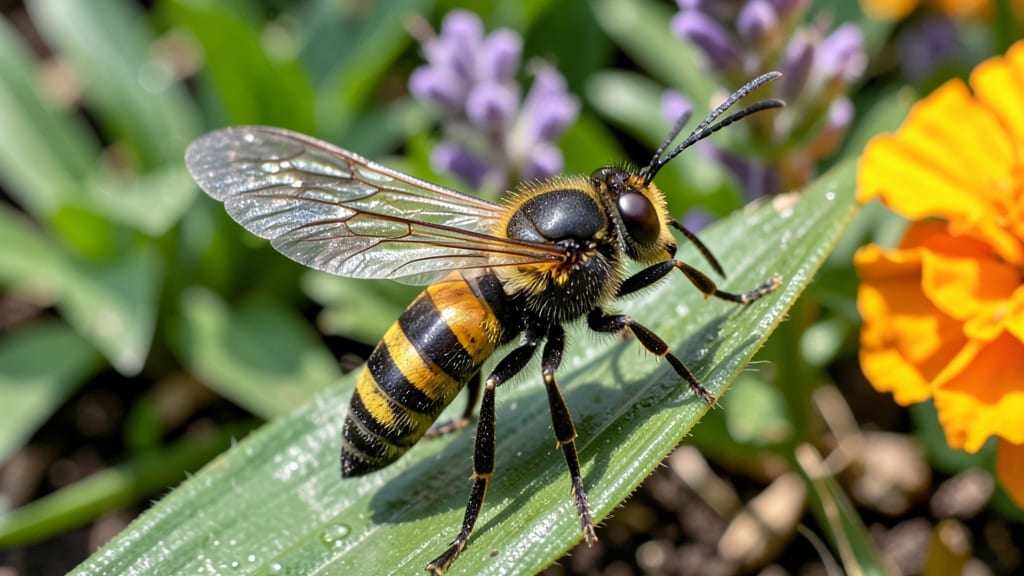
How to keep wasps away from your balcony—turned into their personal buffet? 🌿 That citrus-peppermint spray I whipped up in 10 minutes banished them within hours—no traps, no chemicals, just a simple mix that works fast and keeps them away from your plants. The secret lies in their natural enemies: wasps hate citrus oils and peppermint's strong scent. A few drops of each in water, sprayed around seating areas and plant edges, creates an invisible barrier they won't cross. It's safe for your herbs, safe for kids, and lasts for days after application. You'll notice the difference immediately—no more buzzing swarms when you're trying to enjoy your morning coffee. The spray doubles as a natural plant tonic, keeping your balcony garden thriving without the stings. Works for any balcony size, from tiny urban spaces to larger patio setups. Here's exactly how to make it—plus three extra tips that cut down on wasp activity by 90%."
What Draws Wasps to Your Balcony
Wasps might seem like tiny, buzzing nuisances, but their presence on your balcony isn’t random—it’s a response to specific triggers. Understanding why they’re drawn to your outdoor space is the first step in crafting an effective defense.
Let’s break down the science behind their behavior and what’s really calling them to your balcony.
Wasps are opportunistic feeders, and your balcony might be an all-you-can-eat buffet without you realizing it. Their diet shifts based on their life stage:
- Sugary foods: Adult wasps crave nectar, fruit juices, and sugary drinks. A half-drunk soda left on a table, overripe fruit on a plant, or even sticky syrup from a barbecue sauce can send out a chemical signal (like ethyl acetate) that wasps detect from up to 100 feet away. 🍹
- Protein for larvae: Wasps need protein to feed their young, so they’re drawn to decaying meat, pet food, or even crumbs from burgers. A single piece of uneaten chicken on a grill can attract an entire colony within minutes.
- Fermenting substances: Beer spills, wine glasses left in the sun, or even damp trash can produce ethanol and acetic acid, which mimic the scents of rotting fruit—wasps’ favorite fast food.
Pro tip: Wasps have antennal sensors that detect carbon dioxide (CO₂) from breathing humans. If you’re grilling or eating outdoors, you’re essentially broadcasting a "free meal" signal. 🕵️♂️
Wasps need water for survival, and your balcony might be an oasis in their eyes. Here’s how:
- Standing water: A forgotten water glass, a clogged gutter, or even a shallow plant saucer can become a breeding ground. Wasps use water to dilute food for their larvae and to drink. Stagnant water also attracts other insects, which wasps prey on for protein. 💦
- Humidity and dampness: Areas with high moisture, like potted plants with soggy soil or damp towels hanging to dry, release volatile organic compounds (VOCs) that wasps associate with food sources.
- Sweat and breath: Wasps are drawn to the CO₂ and lactic acid in human sweat. If you’re lounging on your balcony with a cold drink, you’re not just attracting them—you’re inviting them to investigate.
Did you know? Some wasp species, like the German yellowjacket, can detect water sources from half a mile away using specialized sensory pits on their antennae. 🚰
Wasps are territorial and will stake a claim if they find a suitable nesting spot. Your balcony might offer:
- Pre-built cavities: Wasps love hollow spaces in eaves, under railings, or even inside potted plants. They prefer dark, protected areas with easy access to food. A gap as small as 1/4 inch can be enough for them to start building a nest. 🏠
- Existing nests nearby: If a wasp nest is already established in your yard, nearby balconies become high-traffic zones as workers scout for food and water. Once a nest is active, workers can travel up to 1,000 feet in search of resources.
- Human activity: Wasps are attracted to the movement and noise of people. A busy balcony with chairs, tables, and foot traffic creates a "high-risk, high-reward" zone in their minds—more chances to forage undetected.
Watch out for: Wasps often nest in paper wasp combs (made of chewed wood fiber) or yellowjacket underground nests. If you spot them flying in and out of a small hole, it’s a red flag. 🚨
Wasps have an incredible sense of smell—up to 10,000 times more sensitive than humans—and certain scents act like magnets. Here’s what’s luring them:
- Fruity aromas: Citrus peels, overripe bananas, and even scented candles with floral notes (like jasmine or rose) can trigger their feeding instincts. Wasps associate these scents with easy meals. 🍋
- Meaty or greasy smells: The scent of cooking bacon, burgers, or even pet food left outside releases volatile fatty acids that wasps can detect from far away.
- Alcohol and fermentation: Open beer bottles, wine coolers, or even vinegar spills emit ethyl alcohol and acetic acid, which mimic the smell of fermenting fruit—wasps’ equivalent of a "limited-time offer." 🍺
- Human hygiene products: Surprisingly, scented lotions, perfumes, and even deodorants can attract wasps. The ethyl acetate in some fragrances smells like food to them.
Fun fact: Wasps can distinguish between hundreds of smells and even learn to associate specific scents with food sources. That’s why a single spill can turn your balcony into a wasp hotspot overnight. 🧪
Now that you know why wasps are crashing your balcony party, the next step is to remove the invites. Stay tuned for actionable tips on disrupting their senses and creating a wasp-free zone! 🚫🐝
Quick Fixes for a Wasp-Free Balcony
Now that you know why wasps are crashing your outdoor hangouts, let’s tackle the problem head-on with practical, fast-acting solutions tailored to common causes. Whether your balcony is a wasp buffet, a nesting hotspot, or simply too inviting, these fixes will help you reclaim your space—without the stings!
Cause: Wasps are drawn to sugary foods, drinks, or even ripe fruit left out. Fix: Outsmart them with natural repellents that mask their favorite aromas.
- Citrus & Peppermint Spray (Your Secret Weapon!) Mix 1 cup water, 1 tbsp lemon or orange peel, and 10 drops peppermint essential oil in a spray bottle. Shake well and mist around seating areas, railings, and entry points.
The bright citrus scent confuses wasps, while peppermint disrupts their pheromone trails. 🌿 Pro Tip: Reapply after rain or every few days for maximum effect.
- Coffee Grounds Barrier Sprinkle used coffee grounds near doors, windows, and plant pots. Wasps hate the smell and will avoid the area. Bonus: It’s free and eco-friendly! ☕
- Vinegar Trap (For Hungry Invaders) Fill a shallow dish with apple cider vinegar and a few drops of dish soap. Wasps are lured in but can’t escape. Place traps away from seating areas to avoid accidental splashes.
Cause: Gaps in screens, cracks in walls, or open windows invite wasps to scout for nests. Fix: Seal up their real estate with simple DIY barriers.
- Mesh Screens & Door Sweeps Check for tears in screens or loose-fitting doors. Patch holes with fine mesh or install door sweeps to block tiny gaps. Wasps can squeeze through spaces as small as 1/4 inch—don’t give them an inch! 🪟
- Caulk & Sealants Inspect balcony edges, pipes, and electrical outlets for cracks. Use waterproof caulk to seal entry points. Focus on:
- Under eaves
- Around AC units
- Near drainage pipes
- Decoy Nesting Sites Hang an old wasp nest (from a hardware store) in a hidden corner. Wasps are territorial and may abandon their current nest to defend this one instead. Swap it out seasonally for fresh results.
Cause: Your balcony offers shelter, food, and water—a wasp’s dream combo. Fix: Make it less appealing with these tweaks.
- Remove Food & Water Sources
- Cover drinks with lids (even soda cans attract wasps).
- Store fruit in sealed containers or the fridge.
- Empty pet water bowls at night or add a floating ball to break surface tension (wasps can’t land easily).
- Plant Repellent Herbs Wasps dread the scents of:
- Basil (plant in pots near seating)
- Mint (grow in hanging baskets)
- Lavender (adds beauty + repels pests) Pro Tip: Avoid bright flowers (like yellow or white blooms), which attract wasps.
- Use Fans Strategically Wasps hate wind. Place a small oscillating fan near entry points or seating areas. The airflow disrupts their flight paths and makes your balcony less hospitable.
Cause: A nest has already taken hold—usually in eaves, under roofs, or inside wall cavities. Fix: Do NOT disturb it yourself (unless it’s tiny and high up). Instead:
| Nest Size | Action Plan | Safety Tip |
|---|---|---|
| Small (golf ball-sized) | Spray with soapy water at night (wasps are less active). Wait 24 hours, then remove the nest with gloves and a long tool. | Wear long sleeves, gloves, and goggles. |
| Medium (softball-sized) | Call a professional pest control service. They’ll use insect growth regulators (IGRs) to eliminate the colony safely. | Never use pesticide bombs—they can harm pets and kids. |
| Large (basketball-sized or bigger) | Evacuate the area and contact an exterminator immediately. These nests house aggressive wasps and require expert removal. | Keep children and pets indoors until the nest is gone. |
To keep wasps from reclaiming your balcony, adopt these habits: ✅ Monthly inspections – Check for new nests or entry points. ✅ Regular cleaning – Sweep up food scraps, wipe down tables, and store trash in sealed bins. ✅ Seasonal deep clean – Remove old plant debris where wasps hide. ✅ Reapply repellents – Refresh citrus sprays or coffee grounds every 2-3 weeks. ✅ Educate guests – Remind family/friends to keep drinks covered and avoid sweet snacks outside.
Final Thought: Wasps don’t have to ruin your balcony time. With a mix of natural deterrents, smart sealing, and quick action, you can enjoy your outdoor space sting-free—without harsh chemicals. Try one or two fixes this week and watch those wasps fly elsewhere! 🚀
Frequently asked questions
Will essential oils really keep wasps away from my balcony?
Yes! Essential oils like peppermint, citrus, and eucalyptus are proven wasp repellents. The strong scents mask food odors and disrupt their navigation. For best results, mix 10 drops of peppermint oil with 1 cup water in a spray bottle and apply around entry points. Reapply every 2-3 days or after rain for continuous protection.
Are coffee grounds safe to use around plants?
Absolutely—they're excellent for both repelling wasps and enriching soil! Sprinkle used coffee grounds near plant pots or seating areas. The caffeine content confuses wasps while adding nitrogen to your plants. Just avoid overapplying, as too much can make soil acidic.
What should I do if I find a wasp nest on my balcony?
Never attempt to remove it yourself unless it's small (golf ball-sized) and high up. For larger nests, call a professional pest control service immediately. Wasps become aggressive when threatened, and nests can contain hundreds of stinging workers. Always evacuate the area first.
Can I use vinegar traps without attracting more wasps?
Yes, but place them strategically! Fill a shallow dish with apple cider vinegar and dish soap, then position it far from seating areas (at least 10 feet away). The soap prevents escape, while the vinegar's scent lures them in. Check traps daily and replace when full.
How often should I reapply natural wasp repellents?
For maximum effectiveness, refresh repellents every 2-3 days or after rain. The oils evaporate quickly, especially in sunny conditions. A quick spritz around entry points, plant edges, and seating areas in the morning and evening creates a continuous protective barrier.