
How To
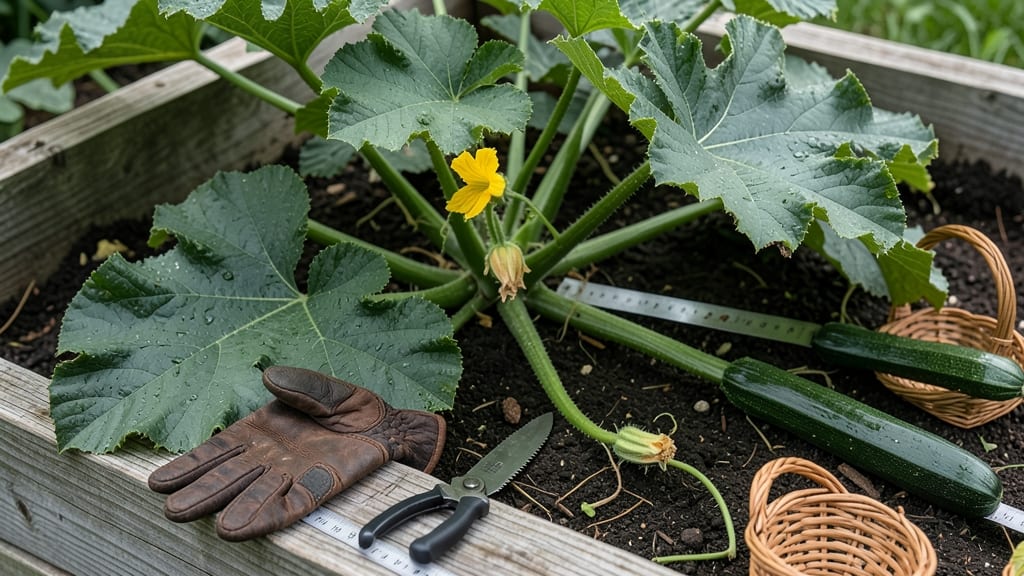
How to know when a zucchini is ready to pick can make or break your harvest—one day too late turns tender fruit into tough, seedy disappointment. Most gardeners miss the perfect window because they rely on size alone, but the real secrets lie in what you can feel and see.
Think about it: that 6-inch zucchini might still need 2-3 days to reach peak flavor. I’ve learned the 3 tactile tests that reveal exactly when to harvest, so you never waste another harvest. These simple checks—thumb pressure, stem texture, and weight—will transform your zucchini game.
Harvesting at the right moment isn’t just about taste—it’s about keeping your plant productive. Zucchini mature fast, and once they pass their prime, pests like squash bugs move in. I’ll show you how to spot the ideal moment before overgrowth takes over, ensuring a steady supply all season.
Ready to go from guesswork to garden confidence? Let’s dive into the foolproof way to pick zucchini at their sweetest, so you can enjoy fresh, flavorful harvests all summer long.
3 Tactile tests to determine zucchini ripeness (beyond size)
Zucchini grows faster than you might think—sometimes overnight—so relying on size alone means you’ll likely miss the peak harvest window. The secret? Using your hands and eyes to assess ripeness beyond the ruler.
These three tactile tests will help you pick zucchini at its sweetest, tenderest stage, every time.
First, let’s talk about the stem color. A zucchini’s stem end changes from bright green to pale yellow when it’s ready. This isn’t just a color shift—it’s a signal that the fruit has stopped growing and reached its ideal sugar content.
If you see a dark green stem, the zucchini is still maturing and needs more time.
Next, try the thumb pressure test. Press your thumb gently into the zucchini’s skin. If it gives slightly—like pressing a ripe avocado—it’s ready. If the skin feels hard and unyielding, it’s underripe.
Overripe zucchini will feel soft and spongy, almost mushy, and may have a hollow sound when tapped.
Finally, consider the weight-to-size ratio. A ripe zucchini feels heavy for its size because it’s packed with moisture and nutrients. Lift a few candidates—if one feels noticeably lighter than its peers, it’s likely still growing. This test works best when comparing zucchini of similar sizes.
Why it matters: These tests ensure you harvest zucchini at its peak tenderness and best flavor, avoiding the tough, seedy disappointment of overripe fruit.
Pro tip: Check your zucchini plants daily during peak season (July through August). Zucchini can grow 2 inches in a single day, so what looked perfect yesterday may be overripe today.
Set a reminder or tie a string around your wrist—whatever it takes to stay on top of this fast-growing veggie!
Another visual cue to watch for is the blossom end. When the flower that once held the zucchini begins to wilt and dry up, it’s a sign the fruit is nearing maturity.
However, don’t wait until the blossom is completely dead—harvest just before it wilts to catch the zucchini at its prime.
If you’re growing multiple varieties, like black zucchini or pattypan squash, the tactile tests still apply, but their ideal harvest size may differ.
For example, pattypan squash is best picked when it’s 4-6 inches wide, while black zucchini can be harvested larger—up to 10 inches—for a meatier texture.
Remember, the goal is to encourage continuous production. When you harvest a zucchini at the right time, the plant redirects its energy to producing new flowers and fruit.
This means more harvests throughout the season! If you let zucchini grow too large, the plant may stop flowering or produce fewer fruits.
For storage purposes, you can leave zucchini slightly larger (up to 12 inches), but they’ll have more seeds and tougher skin. If you’re planning to store them for later, harvest when the skin is thick and hard, but still before it turns yellow or develops soft spots.
Finally, keep an eye out for pests and diseases that can mimic ripeness. For example, squash vine borers or powdery mildew can cause zucchini to appear overripe when they’re not. If you notice holes, wilting, or unusual discoloration, address the issue immediately and harvest any affected fruit promptly.
3 Tactile tests to determine zucchini ripeness (beyond size)
Zucchini grows shockingly fast—sometimes overnight—so relying on size alone can lead to missed harvests. Instead, I use these 3 tactile tests to pinpoint the exact moment for picking. These methods work even when zucchini is hidden under leaves or when you're unsure about color variations.
The first test is the thumb pressure check. Press your thumb gently against the zucchini's skin. If it feels slightly soft but still firm (not mushy), it's ready.
Overripe zucchini will dent like a ripe avocado, while underripe ones feel rock-hard. This test works best in the morning when skin is cooler and firmer.
Thumb Pressure Test
Press gently—soft but firm = perfect. Dents easily = overripe. Rock-hard = underripe.
Stem Separation Test
Twist the zucchini gently at the stem. If it separates cleanly with a slight pop, it's ready. A green stem end means it's still growing.
The third test focuses on weight and shape. A ready-to-pick zucchini feels surprisingly heavy for its size due to water content. Hold it in your palm—if it feels balanced and dense, it's prime.
Also, look for a slight bulge at the blossom end, indicating full maturity. This test is especially useful for dark varieties where color changes are subtle.
For bush varieties, I harvest every 2-3 days during peak season to prevent overgrowth. Vining types like 'Black Beauty' can wait 3-4 days, but always check with these tactile tests. The key is consistency—once you master these methods, you'll never end up with a foot-long monster zucchini again!
Remember, zucchini flavor peaks when harvested small to medium-sized. Larger zucchini develop more seeds and tougher skin, but they're still edible if you prefer them for baking or storage.
The goal is to balance harvest frequency with plant health—pick too much, and you stunt production; pick too little, and you lose quality.