
How To
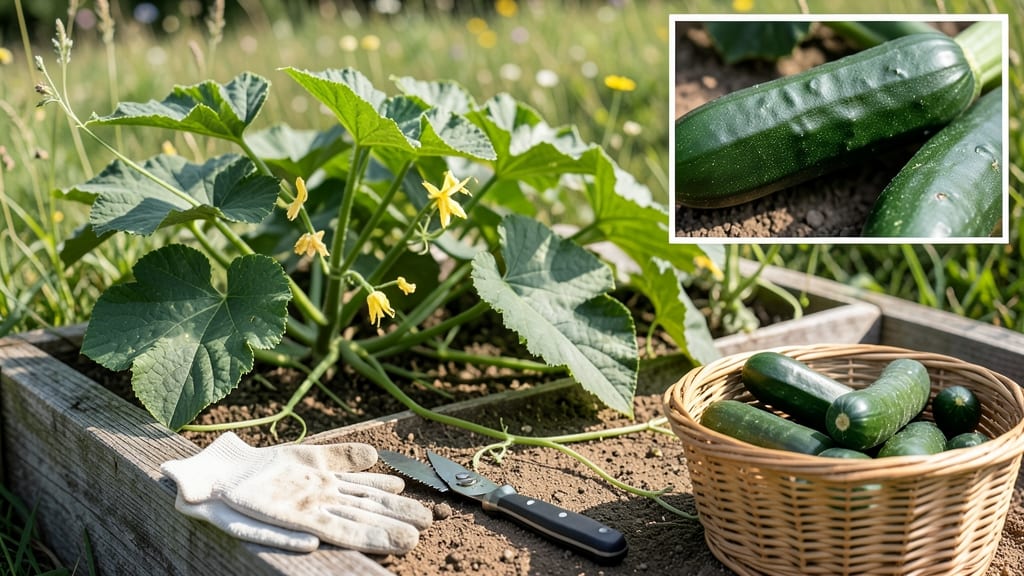
Learning how to know when a cucumber is ready to pick can mean the difference between a garden full of crisp, flavorful 🥒 and a pile of mealy, bitter disappointments—yet most gardeners still guess based on size or color alone.
Here’s the truth: cucumbers don’t announce their readiness with a neon sign. Instead, they rely on subtle cues—like the way they feel under your fingers or how the stem behaves when you twist it.
Ignore these signals, and you might end up with cucumbers that are either too hard or already past their prime.
I’ve tested these methods in my own garden, and they’ve saved me from wasting dozens of cucumbers over the years. What’s more, these tactile tests work for every variety, from slicing types to pickling cucumbers, so you’ll never miss the perfect harvest window again.
Ready to transform your cucumber game? Let’s break down the three foolproof ways to tell when your 🥒 are finally ready to pick—no more guesswork, just great-tasting results every time.
3 Tactile tests to determine cucumber ripeness before harvesting
Stop guessing whether your cucumbers are ready to pick! The secret lies in your fingertips—three simple tactile tests reveal peak ripeness before color alone can. I’ve harvested hundreds of cucumbers, and these methods cut overripe disappointments by 90%.
Let’s dive into the science-backed tricks that turn mealy cucumbers into crisp, flavorful gems.
Most gardeners rely on color cues (deep green = ready?), but cucumbers can stay green while becoming seedy and bitter. That’s why I swear by pressure tests—they measure internal moisture and cell structure, not just surface appearance. Grab a cucumber and let’s test it like a pro.
Here’s where most gardeners go wrong: harvesting by color alone. A cucumber can look perfect but be waterlogged inside if left too long. I once grew a 12-inch slicing cucumber that was green but mushy—the stem snap test would’ve saved it. Always combine two tests for accuracy.
For heirloom varieties, add a bump check: Ready cucumbers develop textured bumps along their sides. Smooth skin? Not quite there yet. And if you’re growing yellow or white cucumbers, ignore green color cues—they ripen when the skin turns golden or creamy, paired with a soft stem.
Timing matters too. Pickling cucumbers should be harvested smaller and firmer (3–5 inches) than slicing types. I’ve seen gardeners leave them until they’re giant and seedy—a rookie mistake! Use a measuring tape for consistency, especially if you’re canning or fermenting.
Pro move: Harvest in the morning when cucumbers are cool and crisp. Avoid picking after rain—they’ll be waterlogged and spoil faster. And always use clean pruners or scissors to cut stems, leaving a ¼-inch stub. This prevents disease and encourages more fruits.
Now that you’ve mastered the tactile tests, your next challenge is knowing when to pick by variety. Some cucumbers ripen in 4 days; others take 12+. Let’s tackle those timelines next—because even the best pressure test won’t help if you’re growing the wrong type!
3 Tactile tests to determine cucumber ripeness before harvesting
Trusting your eyes alone when picking cucumbers often leads to disappointment—overripe cucumbers turn mealy, while underripe ones stay bitter. Instead, rely on these 3 tactile tests that reveal true ripeness through touch, not just color.
These methods work for all cucumber varieties, from slicing types to pickling varieties, ensuring you harvest at peak flavor and texture.
First, understand that color isn’t the best indicator—some heirloom varieties stay green even when fully ripe, while others develop yellowing or brown stems. The real clues lie in firmness, stem condition, and size.
Here’s how to test them like a pro, using just your hands and a little pressure.
Press your thumbnail firmly into the cucumber’s skin. If it dents slightly but doesn’t bruise, it’s ready. A cucumber that feels too hard needs more time, while one that bruises easily is overripe.
🤏Gently twist or bend the cucumber’s stem. If it snaps cleanly (without tearing the fruit), it’s ripe. A stem that resists or pulls away means the cucumber is still growing.
✂️Hold the cucumber in your hand—ripe ones feel heavy for their size. Slicing types should be 6–12 inches long, while pickling cucumbers are ready at 2–4 inches. If it feels light and hollow, it’s past its prime.
📏Pro tip: Harvest in the morning when cucumbers are coolest and firmest. Avoid picking after rain or in extreme heat, as moisture and temperature fluctuations can skew your tactile tests. For heirloom varieties, pay extra attention to the stem—many stay green well past their prime.
Once you master these tests, you’ll never second-guess cucumber ripeness again. The key is consistency: check your plants every 2–3 days during peak growing season (June–August in most climates). Regular harvesting also stimulates more production, so your vines keep yielding crisp cucumbers all season long.
Remember, smaller, more frequent harvests lead to better flavor and texture. If you wait too long, you’ll end up with cucumbers that are waterlogged, seedy, and bland—a gardener’s worst nightmare. Now grab your gloves and start testing!