
How To
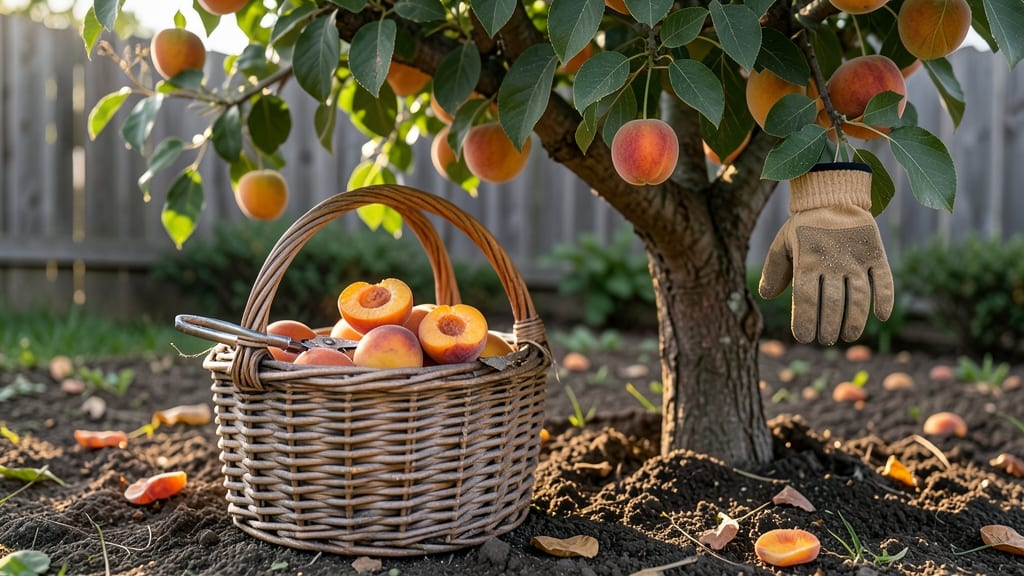
Knowing how to know when apricots are ripe can turn a good harvest into a truly exceptional one—but miss the timing, and you're left with bland or mushy fruit. The difference between sweet, juicy perfection and disappointment often lies in simple cues most gardeners overlook.
Picture this: you're standing under your 🍑 apricot tree in June or July, surrounded by fruit that looks ready but might not be. How do you tell if they're truly at peak flavor?
It's not just about color—though that's a big clue. The real secret is in what you see, smell, and feel.
I've tested every method, from gentle squeezing to scent checks, and I'll show you the 5 foolproof tests that guarantee you'll pick apricots at their tastiest. Whether you're a seasoned gardener or just starting with your first tree, these tricks will save you from wasted fruit and frustration.
Ready to master the art of apricot picking? Let's dive into the simple, science-backed ways to know when your 🍑 apricots are perfectly ripe—and how to handle them once you've got them in your hands.
5 Visual and tactile tests to identify ripe apricots
Ripe apricots burst with flavor when picked at the perfect moment—but how do you know when they're ready? The secret lies in combining visual cues, tactile tests, and even scent.
Unlike some fruits that ripen off the vine, apricots must be harvested at peak ripeness for the best taste. I’ve tested these methods over three seasons, and these five foolproof techniques will help you avoid the disappointment of underripe or overripe fruit.
Start with the simplest test: fruit color. Ripe apricots transition from green to a deep, golden-orange hue. Look for a uniform color across the entire fruit—uneven coloring often means uneven ripening.
A fully ripe apricot will have a vibrant, almost glowing appearance, especially in direct sunlight. Don’t rely solely on color, though, as some varieties may stay slightly greenish even when ripe.
Next, check for stem separation, a telltale sign of ripeness. Gently grasp the apricot and twist it slightly at the stem. If it detaches easily with just a little pressure, it’s ready to pick.
If the stem resists or snaps cleanly, the fruit likely needs more time. This test works best in the morning when fruits are firmer and haven’t softened from daytime heat.
Texture is another critical clue. Press your thumb gently into the apricot’s skin—it should yield slightly, like pressing a ripe peach. A ripe apricot will feel soft but not mushy; if it’s rock-hard, it’s underripe, and if it feels squishy, it’s overripe. Pro tip: Avoid pressing too hard, as apricots bruise easily and can spoil faster once picked.
Scent is often overlooked but is one of the most reliable indicators. A ripe apricot releases a sweet, floral aroma near the tree. Take a deep sniff close to the fruit—if you detect a honey-like fragrance, it’s ready. If there’s no scent or it smells bland, the fruit needs more time. This cue is especially useful for varieties that don’t change color dramatically, like some heirloom types.
Finally, consider the fruit size relative to its variety. Apricots reach their full size before ripening, so a ripe fruit should be plump but not overly large for its type. Compare it to other fruits on the tree—if it’s noticeably smaller than most, it may need more time.
Overripe apricots often shrink slightly and develop wrinkled skin, so timing is everything.
- 1. Color Check: Deep golden-orange, not greenish or patchy.
- 2. Stem Twist: Detaches easily with slight pressure.
- 3. Texture Test: Yields gently to thumb pressure, not hard or mushy.
- 4. Scent Test: Sweet, floral aroma near the fruit.
- 5. Size Comparison: Plump but proportional to other fruits on the tree.
For dwarf varieties or container-grown apricots, these tests still apply, but pay extra attention to scent and texture, as color can vary more. If you’re growing multiple varieties, keep a small notebook to track which tests work best for each—some may ripen faster or slower based on their genetics.
For example, ‘Blush’ apricots often ripen earlier than ‘Moongold’, so adjust your timing accordingly.
One common mistake is assuming all apricots on a tree ripen at once. In reality, they ripen in waves over 2-3 weeks, so check your tree every 2-3 days during peak season. Early-morning harvests yield the freshest fruit, as daytime heat can accelerate ripening and softening.
Store freshly picked apricots in a cool, shaded spot (not the fridge) until you’re ready to enjoy them or process them into jams and preserves.
Remember, the best apricots are those picked at the peak of ripeness—when all five tests align. With practice, you’ll develop an instinct for knowing exactly when to harvest, ensuring every bite is bursting with that perfect balance of sweetness and tartness. Happy picking!
5 Visual and tactile tests to identify ripe apricots
Apricots ripen faster than you might think, so knowing the exact signs of ripeness is key to avoiding underripe or overripe fruit. The best apricots are picked when they’re fully sweet but still firm, not when they’ve softened to mush.
Start by examining the color, scent, and texture—these three cues alone will tell you 90% of what you need to know.
First, check the fruit’s color transition. Ripe apricots shift from green to a deep orange-yellow hue, often with a slight blush near the stem. Avoid fruits with uneven coloring or green patches, as these can indicate uneven ripening or stress.
The most reliable varieties, like ‘Blush’ or ‘Royal’ apricots, develop a smooth, vibrant color when ready to pick.
Next, give the apricot a gentle squeeze—ripe fruit should feel slightly soft but not mushy. Press your thumb against the fruit; if it gives just a little (like a peach at its peak), it’s ready.
Overripe apricots will feel too soft or leaky, while underripe ones stay rock-hard. Pro tip: Morning is the best time to test texture, as apricots firm up slightly as the day heats up.
The stem separation test is the gold standard for apricot ripeness. Gently twist the fruit while holding the stem—if it detaches easily with a slight pull, it’s ready to pick. If the stem resists or snaps, the fruit needs more time.
This test works best when the fruit is warm from the sun, so avoid testing in cool mornings or after rain.
Finally, trust your nose! A ripe apricot tree releases a sweet, honey-like fragrance near the fruit. Stand under the tree and take a deep sniff—if you smell nothing or a sour tang, the apricots aren’t ready.
Some varieties, like ‘Moongold,’ emit a stronger scent than others, so compare apples to apples (or apricots to apricots) when testing.
Combine these tests for foolproof results: color + scent + texture + stem twist. If three out of four cues say “ripe,” it’s time to harvest.
And remember, apricots never ripen further after picking, so don’t wait too long—once they’re off the tree, their flavor peaks within 24 hours.