
How To
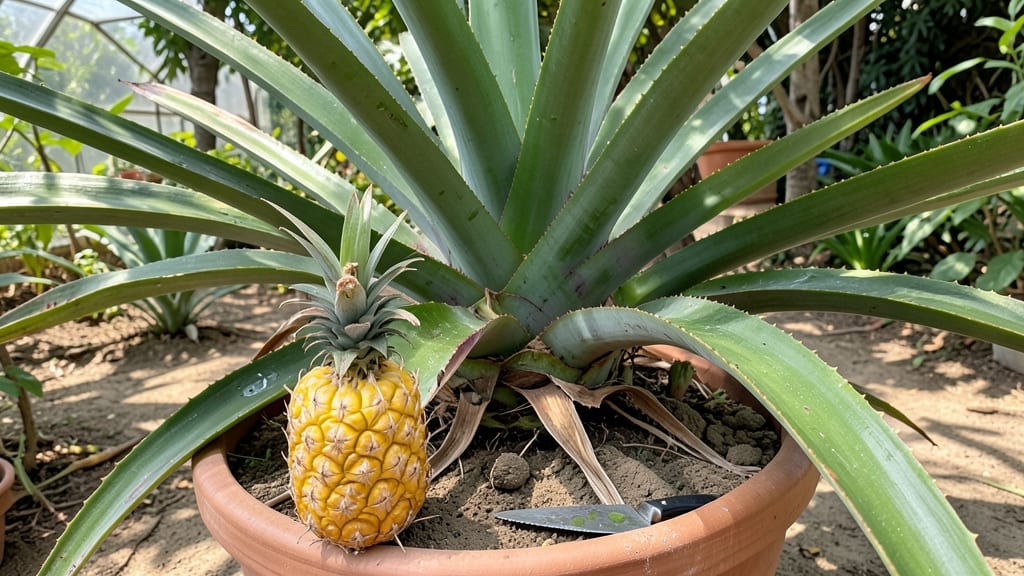
The 3 key signs to pick a ripe pineapple (smell, sight, and touch guide)
Picking a ripe pineapple isn’t just about guessing—it’s a science! The perfectly ripe fruit delivers the sweetest flavor and juiciest texture. Unfortunately, grocery stores often pick pineapples too early to survive shipping, leaving you with a tough, bland fruit. Here’s how to spot a winner every time.
Start with the leaf test, the most reliable indicator. Gently pull off the bottom leaves—if they come off easily and reveal a golden-yellow base, you’ve found a ripe pineapple.
This color change signals the fruit’s natural sugars have fully developed. Skip this step, and you might end up with a green, tart disappointment.
| Sign | What to Look For | What It Means |
|---|---|---|
| Leaf Color | Brown and dry near the base | Ripe and ready to eat |
| Base Color | Golden-yellow (not green) | Fully ripened and sweet |
| Scent | Sweet, tropical aroma near the base | Peak ripeness and flavor |
| Weight | Feels heavy for its size | Juicy and fully developed |
| Sound | Hollow thud when tapped | Juicy and ripe inside |
Next, trust your nose. A ripe pineapple emits a sweet, tropical fragrance near its base—almost like a mix of honey and citrus. If it smells sour or bland, it’s not ready.
Pro tip: Smell the base, not the top, where the scent is often weaker. This aroma test is foolproof for home gardeners and market shoppers alike.
Don’t overlook the touch test. A ripe pineapple feels heavy for its size, thanks to its high water and sugar content. Gently squeeze the sides—if it gives slightly (like a ripe avocado), it’s perfect.
A hard pineapple is underripe, while a mushy one is overripe. This firmness check works even if the base isn’t golden yet.
Finally, give it a tap test. Hold the pineapple in one hand and firmly tap the side with your knuckles. A ripe pineapple produces a hollow, echoey sound, almost like a drum.
If it sounds dull or flat, it’s not ripe. This trick works best on whole pineapples—pre-cut ones lose their structural integrity and can’t be tested this way.
If you’re growing pineapples at home, harvest timing is critical. Outdoor plants in USDA Zones 10-12 take 18-24 months to fruit, while container-grown plants may take slightly longer. Watch for the base turning yellow and the leaves browning—these are your green light to harvest.
Remember, store-bought pineapples are often picked early to survive shipping. If you find one with a green base, don’t despair—you can ripen it at home by placing it in a paper bag with a banana for 2-3 days. The banana’s ethylene gas speeds up ripening naturally.
Now you’re equipped to pick a perfectly ripe pineapple every time—no more tart disappointments or mushy surprises. Happy harvesting! 🍍
The 3 key signs to pick a ripe pineapple (smell, sight, and touch guide)
Picking a perfectly ripe pineapple at the store—or from your own garden—boils down to three simple but critical checks: visual cues, scent, and texture. These signs work whether you're shopping for a grocery store pineapple or harvesting from a container-grown plant in your sunroom.
The key is knowing what to look for beyond the usual "bright green leaves" marketing trick.
Most gardeners (and even grocery shoppers) overlook the base color of the pineapple—the area where the fruit meets the stem. A ripe pineapple should have a golden-yellow hue at its base, not green or white.
This color change signals the fruit’s natural sugars have fully developed. If you’re growing pineapples in USDA zones 10-12, this base color shift happens naturally in 18-24 months after planting.
| Sign | What to Look For | Expert Tip |
|---|---|---|
| Base Color | Golden-yellow (not green/white) | Check the lowest 1-2 inches of the fruit. |
| Leaf Condition | Dry, brown leaves near base | Gently tug a leaf—it should pull out easily if ripe. |
| Scent | Sweet, tropical aroma near base | Sniff the base—no scent means it’s not ripe yet. |
| Weight | Feels heavy for its size | A ripe pineapple is denser due to high sugar content. |
The scent test is often the most reliable indicator. A ripe pineapple emits a strong, sweet, tropical fragrance near its base—almost like a mix of pine and citrus.
If you’re unsure, gently squeeze the fruit: a ripe pineapple should yield slightly to pressure (like a ripe avocado) but not feel mushy. For container-grown pineapples, this test is especially useful since they often ripen slower due to limited sunlight.
One common mistake is assuming all pineapples ripen on the vine. In reality, pineapples do not ripen further after picking, so timing is everything. If you’re growing pineapples in cooler zones, harvest when the base turns mostly yellow (even if some green remains) to ensure sweetness.
For store-bought pineapples, avoid those with green bases—they’ll never sweeten up at home.
Pro tip: If you’re still unsure, remove one of the lower leaves near the base. A ripe pineapple will have a dry, papery leaf that pulls out easily. This trick works for both grocery store and homegrown fruit.
Once you master these three checks—color, scent, and texture—you’ll never buy an underripe pineapple again.
Remember, pineapples are non-climacteric fruits, meaning they won’t ripen after picking. So, if you miss the window, you’ll be stuck with a tart, underripe fruit. But with these signs, you’ll nail it every time. 🍍