
How To
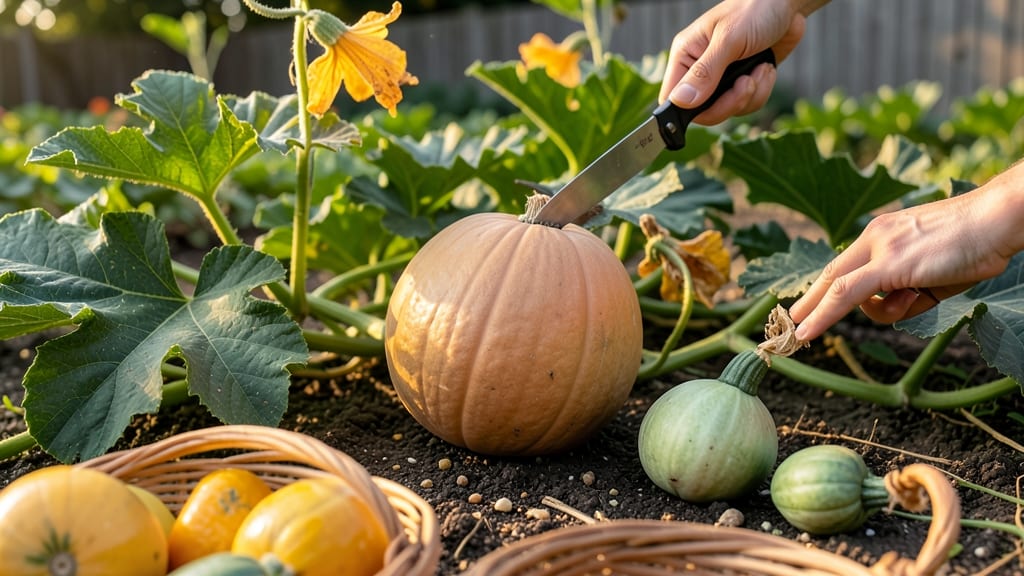
How to know when to pick acorn squash is the difference between a sweet, velvety harvest and a tough, flavorless disappointment. That perfect moment arrives in September-October when your garden’s 🎃 starts whispering it’s ready—but how do you listen?
Most gardeners wait too long, letting squash overripen and turn stringy, or pick too soon, leaving them underdeveloped and bland. The secret lies in reading three key signals: skin color, stem condition, and texture. I’ll show you exactly what to look for so you never miss the window again.
Don’t let frost sneak up on you—USDA Zone 6a gardeners have just 15 days between the first frost warning and harvest time. We’ll cover how to test ripeness with just your fingernail or a gentle tap, plus what to do if you’re unsure.
Once you’ve mastered the art of picking, storing your harvest properly keeps those flavors locked in for months. Let’s break it down step by step so your acorn squash stays perfect from vine to table.
5 Visual cues to identify perfectly ripe acorn squash
Acorn squash reaches peak flavor when harvested at the perfect moment—too early, and the flesh stays bland; too late, and it turns stringy. The key lies in visual cues that reveal maturity.
Start by examining the skin color, which should transition from pale green to a rich, matte dull orange-brown. This color change signals the squash has stopped growing and begun storing sugars.
Next, check the stem condition. A ripe acorn squash will have a dry, papery stem that shrinks slightly where it meets the squash. If the stem remains green and flexible, the squash needs more time on the vine.
This is one of the most reliable indicators of readiness, as the stem drying process coincides with internal sweetness development.
Run your fingernail along the skin surface—it should feel hard and difficult to pierce. A soft or easily dented squash is underripe and lacks flavor. This tactile test is especially useful when color variations exist due to sunlight exposure.
The harder the skin, the sweeter the flesh, as the squash has fully matured.
Look for uniform color deepening across the entire squash. Uneven coloring (like splotchy patches) often means the squash wasn’t exposed to enough sunlight during growth. A uniformly deep hue indicates consistent ripening. This visual clue helps you avoid harvesting squash that might be partially underripe.
Observe the leaves and vines. When the plant’s leaves begin to yellow and die back, it’s a strong signal that the squash is ready. This natural decline occurs as the plant redirects energy to seed production.
However, don’t wait too long—once frost threatens, harvest immediately, even if the squash isn’t fully mature.
- 🟤 1. Skin Color: Dull, matte orange-brown (not shiny green)
- 🍂 2. Stem Condition: Dry, papery, and slightly shriveled
- ✂️ 3. Skin Hardness: Nearly impossible to pierce with a fingernail
- 🎨 4. Color Uniformity: Even, deep hue (no splotches)
- 🌿 5. Leaf Dieback: Yellowing leaves on the vine
Pay attention to the size and shape of the squash. While acorn squash typically grow to about 8–10 inches long, they shouldn’t feel overly heavy for their size. A squash that’s significantly larger may be overripe, especially if the skin starts to wrinkle or develop soft spots.
Balance size with the other visual cues to avoid harvesting too late.
In cooler climates, watch for early frost warnings. If frost is forecast within 1–2 weeks, harvest your squash immediately, even if it’s not fully mature. While slightly underripe squash can improve with proper curing, frost-damaged squash will spoil quickly.
Store them in a cool, dry place until fully ripe, which may take 1–2 weeks.
Regional variations matter—squash in hotter climates may ripen faster and need harvesting earlier, while those in cooler areas might take longer. Always prioritize the stem condition and skin hardness over color alone, as sunlight exposure can affect pigmentation.
These visual cues work together to give you the confidence to harvest at the perfect moment.
Once you’ve confirmed ripeness using these cues, act quickly! Acorn squash continue to ripen slightly after harvest, but overripe squash lose flavor and texture. The sooner you pick them at peak visual maturity, the sweeter and more tender your harvest will be.
5 Visual cues to identify perfectly ripe acorn squash
Acorn squash reaches peak flavor and texture when harvested at the right time—but spotting that perfect moment can be tricky.
Unlike pumpkins, these squash don’t grow much larger once ripe, so timing matters. Look for these 5 key visual cues to ensure you harvest at the ideal stage, avoiding both underripe and overripe disappointments.
First, examine the skin color. A ripe acorn squash will have a deep, uniform hue—typically a rich green, tan, or golden color, depending on the variety. Avoid squash with pale or patchy coloring, as this often signals immaturity.
The skin should also feel hard and difficult to pierce with your fingernail, a telltale sign of full ripeness.
🔍 Numbered Highlights: 5 Visual Cues for Perfect Ripeness
- 1. Skin Color: Deep, uniform shade (no pale patches)
- 2. Stem Condition: Dry, shriveled, and brown at the base
- 3. Rind Texture: Hard and difficult to pierce with a fingernail
- 4. Seed Pods: Fully developed and slightly woody
- 5. Leaf Health: Yellowing or dying back near the squash
The stem is another critical clue. A ripe acorn squash will have a dry, shriveled stem that’s browned and slightly detached from the vine. If the stem remains green and flexible, the squash likely needs more time.
This change signals the plant is redirecting nutrients, ensuring the squash reaches peak sweetness.
Don’t overlook the seed pods inside the squash. When fully ripe, they’ll be plump and slightly woody, indicating the squash has matured. If you’re unsure, gently tap the squash—it should sound hollow rather than dull, a sign the seeds are fully developed.
This internal check is especially useful for varieties with thick rinds.
Finally, observe the leaves surrounding the squash. As the fruit matures, the plant will yellow and die back, a natural process that signals it’s time to harvest. This is your body’s way of telling you the squash is ready to be picked.
Ignoring this cue can lead to overripe squash, which often develops a grainy texture and loses flavor.
Regional climate plays a role too. In cooler zones (USDA 3-5), acorn squash may ripen earlier due to shorter growing seasons, while warmer climates (USDA 7-10) can extend the harvest window. Always monitor for first frost dates—harvest before temperatures drop below 40°F to prevent damage.