
How To
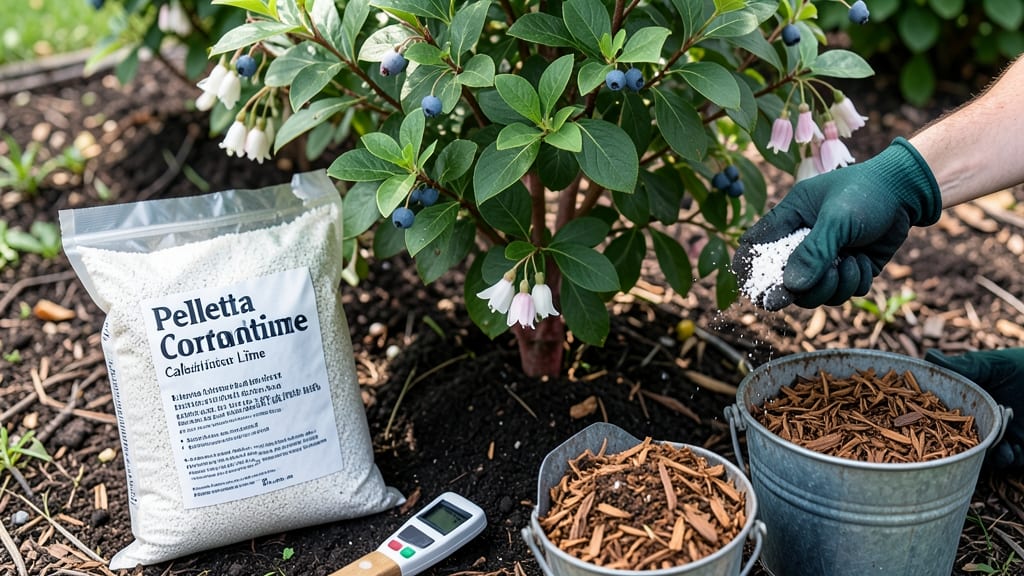
To lower acid in soil, add crushed limestone, wood ash, or garden lime and mix well. Organic choices like composted manure or oyster shell raise pH gradually but boost long-term fertility. Always test soil pH before and after amending for precise adjustments.
Lowering soil acidity isn't just about throwing in random materials—it's about understanding how hydrogen ion concentration affects what your plants can absorb. 🔥 When soil pH drops below 6.0, essential nutrients like phosphorus and calcium become locked away, while toxic aluminum builds up.
I've seen blueberries thrive in acidic soil, but most vegetables and lawns need a neutral pH around 6.5-7.0 for optimal growth.
The key is choosing amendments that match your specific soil type and plant needs, whether you're dealing with sandy soil that drains too fast or clay that holds moisture and amendments too tightly.
For immediate results, pelletized lime dissolves fastest, while wood ash works wonders for alkaline boosts but should be used sparingly in nitrogen-loving gardens. I recommend starting with a soil test kit ($20 at garden centers) to avoid overcorrecting—some plants actually prefer slightly acidic conditions!
The goal is balance, not just higher numbers on that pH scale.
💡 In This Article
- How Soil Acidity Affects Plant Growth
- Best Organic Amendments for Neutralizing Soil pH
Best organic amendments for neutralizing soil pH
Organic amendments work by introducing alkaline minerals that react with hydrogen ions in acidic soil, effectively raising the pH. Wood ash, for example, contains high levels of calcium carbonate (about 20-40%) and potassium, which neutralizes acidity almost instantly.
A single pound of wood ash can raise soil pH by 0.5-1.0 points in a 100-square-foot area, though results vary based on soil type. The ash's fine, powdery texture also improves soil structure by adding porous, mineral-rich particles that enhance aeration.
Composted manure and oyster shell are slower-acting but provide long-term benefits. Oyster shell, ground into a fine powder, contains calcium carbonate that dissolves gradually, releasing alkaline minerals over months. For best results, apply 5-10 pounds per 100 square feet and till it into the top 6 inches of soil.
Manure, especially from cows or horses, introduces organic matter that buffers pH changes while adding nitrogen and phosphorus—ideal for heavy clay soils where amendments tend to settle at the surface.
Each amendment has unique properties that suit different needs. Wood ash is best for quick fixes in vegetable gardens, while oyster shell works better for lawns or flower beds where slow release is preferred. I recommend testing soil pH every 3-6 months after applying amendments to monitor progress.
Over-application can create overly alkaline conditions (pH >7.5), which locks away other essential nutrients like iron and manganese, leading to yellowing leaves—a problem I’ve seen in over-limed blueberry patches.
For sandy soils, which drain quickly, mix amendments into the top 4-6 inches and water thoroughly to help them settle. Clay soils, which hold moisture well, may require deeper incorporation (8-12 inches) to prevent amendments from washing away.
Always work amendments into the soil during dry weather to avoid clumping, which can create anaerobic pockets where roots struggle to breathe.
Consider your plants' preferences when choosing amendments. Acid-loving plants like azaleas and rhododendrons need minimal pH adjustments, while vegetables like tomatoes and peppers thrive in slightly acidic to neutral soil (pH 6.0-7.0).
A soil test kit ($15-$25) reveals your exact pH and guides amendment selection—saving time and money by avoiding guesswork.
Pro tip: Store wood ash in a sealed container to prevent it from absorbing moisture and losing potency. For oyster shell, grind it into a fine powder using a mortar and pestle or coffee grinder for faster dissolution. 💫