
How To
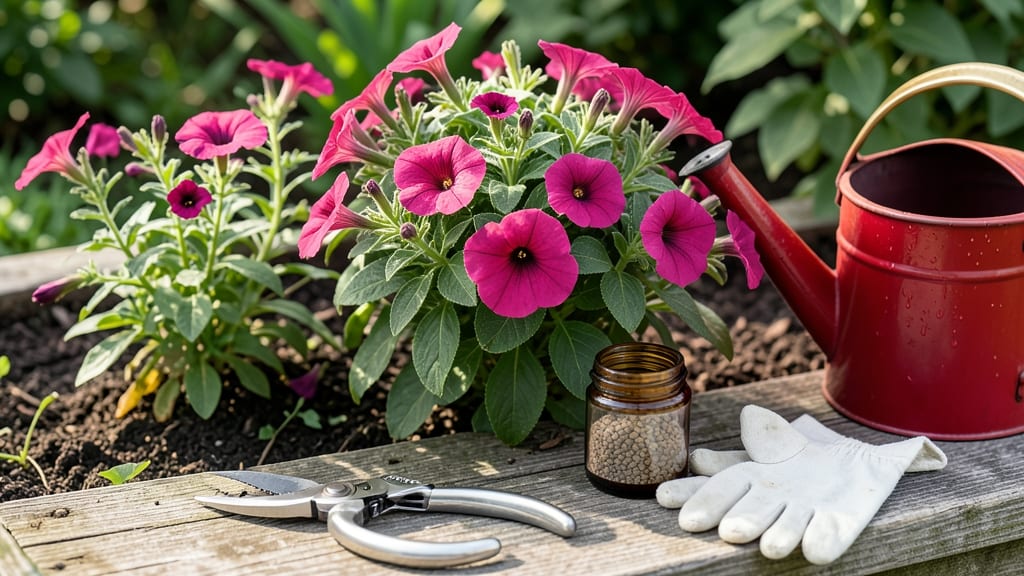
How to make petunias fuller—those leggy, sparse-blooming plants can transform into lush, bushy beauties with just a few simple tweaks. ✨ The key lies in three easy fixes: sunlight adjustments, strategic pruning, and the right feeding routine. Most gardeners overlook one of these, and that’s what keeps petunias looking half-hearted.
Start by giving them 6+ hours of direct sun daily—petunias stretch toward light when they’re starved for it. Then, snip back leggy stems just above a leaf node to encourage branching.
A balanced, water-soluble fertilizer every 2 weeks during bloom time works wonders, too. I’ve seen plants double in fullness after just 4 weeks of this routine.
Deadheading spent blooms isn’t just about looks—it redirects energy to new flowers. Pinch off wilted blossoms at the stem base, and you’ll trigger more buds within 7-10 days. For container-grown petunias, rotate pots weekly so all sides get even light, preventing uneven growth.
Spring and summer are the prime seasons for this transformation, but with proper care, your petunias will stay full and vibrant well into fall. The secret? Consistency—don’t skip the pruning or fertilizing, and you’ll have petunias that make your neighbors jealous. Let’s get those blooms popping!
📚 In This Guide
- What you need
- Instructions
- Tips and common mistakes
- Wrapping up and next steps
What you need
- ● Petunias: Healthy, established plants (1+ per pot or garden bed). Choose varieties like Petunia 'Wave' or 'Supertunia' for bushier growth.
- ● Pruning shears: Sharp, clean bypass pruners (or small scissors in a pinch). Sanitize with rubbing alcohol before and after use!
- ● Balanced fertilizer: 10-10-10 or 20-20-20 NPK ratio (5–10 tbsp per 10 sq ft). Slow-release granules work great for steady growth.
- ● Watering can or hose: With a gentle spray nozzle to avoid damaging foliage.
- ○ Gloves (optional but recommended): To protect hands from thorns or sap.
- ● Plant food spikes: For easy, slow-release nutrients (e.g., Osmocote).
- ● Mulch: Organic mulch (e.g., shredded bark) to retain moisture and suppress weeds.
- ● Growth regulator (e.g., Paclobutrazol): For compact, bushier growth (use sparingly, per label).
- ● Reflective mulch or mirrors: To bounce sunlight onto petunias (great for shady spots!).
- ● Plant support (if needed): Small stakes or cages for sprawling varieties like Petunia 'Black Velvet'.
- ● Choose a sunny spot: Petunias thrive in 6+ hours of direct sunlight daily—partial shade works but may reduce blooms.
- ● Watering routine: Keep soil consistently moist but not soggy (1–2 inches deep).
- ● Timing: Prune in early morning to let cuts heal before evening.
Step-by-Step instructions for pruning, feeding, and light management to encourage bushier petunia growth
Here’s the method I’ve used for years to transform leggy petunias into lush, full bloomers—no matter your garden’s conditions.
✂️ Step 1: Prune for Better Branching and Airflow
Start by pinching or cutting back the main stems just above a set of leaves where new growth will emerge. I like to do this in the morning when the plants are fully hydrated—it reduces stress and gives them time to recover before evening. Use clean, sharp scissors to avoid tearing stems, and remove any yellow or damaged leaves at the same time. This isn’t just about shaping; it’s about encouraging the plant to produce more side shoots, which will eventually become dense clusters of blooms.
Watch for the first signs of new growth within 7-10 days. You’ll see tiny buds forming at the pruned points—this is your signal that the plant is responding well. If you notice leggy stems after pruning, it means the plant needs more light, not less. Adjust your approach by moving it to a sunnier spot or supplementing with a grow light for 12-14 hours daily.
💧 Step 2: Feed with the Right Nutrients for Bushy Growth
Petunias thrive on a balanced fertilizer with equal parts nitrogen, phosphorus, and potassium, but the key is timing. I switch to a low-nitrogen, high-phosphorus fertilizer (like a 5-10-5 blend) once the plants start actively blooming. This shift encourages more flowers and denser foliage. Apply it every 2-3 weeks during the growing season, always watering the soil first to prevent root burn. You’ll know you’re doing it right when the leaves stay vibrant and the stems thicken noticeably.
Here’s the thing—overfeeding can lead to lush leaves but fewer blooms. If you see excessive leafy growth with sparse flowers, cut back on the nitrogen and focus on phosphorus. A simple way to check is to look for plenty of side shoots rather than just one long stem. If your petunias are still looking sparse after feeding, they might need more sunlight or better airflow, not just more food.
☀️ Step 3: Optimize Sunlight for Compact, Bushy Growth
Petunias need 6-8 hours of full sun daily to stay compact and produce abundant blooms. If your plants are stretching toward the light or growing tall and leggy, they’re not getting enough. Move them to a sunnier spot or group them closer together—this encourages them to branch out and fill in. In containers, rotate the pots a quarter turn every few days to ensure even growth. You’ll see the difference within 2-3 weeks: stems will thicken, and the plant will start bush out more uniformly.
If you’re growing petunias in partial shade, choose varieties like ‘Wave’ or ‘Supertunia,’ which tolerate lower light better. Even in shade, make sure they get at least 4 hours of direct sunlight—any less, and you’ll struggle to get that full, bushy look. Mulch around the base with 2-3 inches of organic mulch to retain moisture and regulate soil temperature, which helps the roots stay strong and supports better growth overall.
🌿 Step 4: Deadhead and Maintain for Continuous Blooms
Deadheading—removing spent blooms—is the secret to keeping petunias full and flowering nonstop. Snip off the faded flowers just above a set of leaves or a node where new growth can emerge. I do this every 3-5 days during peak bloom season, and it makes a world of difference. The plant redirects its energy from seed production to growing more flowers, which means denser clusters and a bushier overall appearance. You’ll notice new buds forming within 5-7 days of consistent deadheading.
Don’t stop there—also trim back any overly long stems to encourage branching. Cut just above a leaf node, and you’ll see new shoots sprouting in 1-2 weeks. This keeps the plant compact and full rather than letting it grow tall and sparse. If you’re growing petunias in containers, this step is even more critical because they have limited space to spread out naturally.
Tips & tricks for creating bushier petunia blooms
Let me share the insights I've gathered after years of transforming leggy petunias into thriving, full-blooming plants.
Pruning Precision: When performing your strategic pruning cut in Step 1, focus on removing only the most elongated stems—those with few or no buds. I've found that cutting back one-third of the plant's height at a time prevents shock while encouraging robust side growth. The 7-10 day window for new growth to appear is your first sign that the plant is responding well. If you're hesitant to cut, remember that petunias are remarkably resilient—they'll bounce back stronger than before.
Fertilizer Timing and Technique: The 24-hour window between pruning and fertilizing is crucial for recovery. I always mix my balanced fertilizer at half-strength to prevent burning the fresh cuts, which could set back your progress. For an extra boost, look for fertilizers containing micronutrients like iron and magnesium—these are particularly effective at supporting the leaf and stem development you want after pruning. The appearance of new leaves within 5-7 days is your confirmation that the plant is actively rebuilding its structure.
Light Exposure Strategy: The 6-8 hours of direct sunlight requirement is non-negotiable for petunias, but the quality of that light matters just as much. If your plants are stretching toward light, it's a clear sign they're reaching for more intensity than they're getting. Moving them to morning sun with afternoon shade can make a dramatic difference. I've seen stems thicken noticeably within 2-3 weeks when this adjustment is made, along with leaves growing much closer together.
Watering Wisdom: The morning watering routine isn't just about timing—it's about technique. Watering at the base prevents fungal diseases that thrive on wet foliage, particularly powdery mildew which can weaken stems and reduce blooms. Checking soil moisture by sticking your finger 1 inch deep gives you a precise measurement of when your petunias actually need water. This method has helped me maintain stronger stems that hold their shape better and produce fewer drooping flowers over time.
Pro Tips for Make Petunias Fuller
- Let me share the insights I've gathered after years of transforming leggy petunias into thriving, full-blooming plants.
- Pruning Precision: When performing your strategic pruning cut in Step 1, focus on removing only the most elongated stems—those with few or no buds.
- Fertilizer Timing and Technique: The 24-hour window between pruning and fertilizing is crucial for recovery.
Frequently asked questions
about making petunias fuller—because even the pros need a little extra help sometimes!When is the best time to prune petunias for fuller growth?
Prune petunias in the morning after light dew has dried but before the heat of the day—typically early spring or late winter for new growth. You can also give them a light trim after flowering to encourage bushiness. Avoid pruning in extreme heat or cold to prevent stress.
How often should I fertilize petunias for thicker blooms?
Feed petunias every 2–4 weeks during the growing season (spring to fall) with a balanced, water-soluble fertilizer (like 10-10-10). For organic options, use compost tea or fish emulsion. Stop fertilizing in late summer to let them harden off for winter.
Why are my petunias still sparse even after pruning and fertilizing?
Sparse growth could mean overcrowding (thin out plants), underwatering (keep soil moist but not soggy), or poor sunlight (6+ hours of direct sun daily). Check for pests (like aphids) or disease (like powdery mildew) too—these can stunt growth. Adjust care and monitor progress!
Can I use petunia cuttings to create fuller plants instead of buying new ones?
Take 4–6 inch cuttings from healthy stems, strip lower leaves, and root them in water or moist perlite. Once rooted (after 2–4 weeks), transplant them. This is a cost-effective way to expand your petunia display while keeping the same vibrant blooms!
What if my petunias get too leggy—can I still fix them?
Yes! Pinch back leggy stems by 1/3 to encourage branching. For severe cases, cut back halfway and fertilize lightly. Avoid heavy pruning late in the season—focus on early spring or summer trims. With patience, they’ll bounce back bushier than ever!
Wrapping up and next steps
Growing lush, full petunias is all about a little patience, precision, and love—you’ve got this! 🌸 By mastering the art of pruning, feeding with the right nutrients, and ensuring they bask in bright sunlight, your petunias will reward you with vibrant, bushier blooms that steal the show.
Start small: pick one technique to try this week, then build from there.
Ready to transform your garden? Grab your shears, check your soil, and get growing! For extra inspiration, explore petunia varieties or dive into seasonal care tips—your next gardening adventure awaits. 🌱✨