
Neem Oil
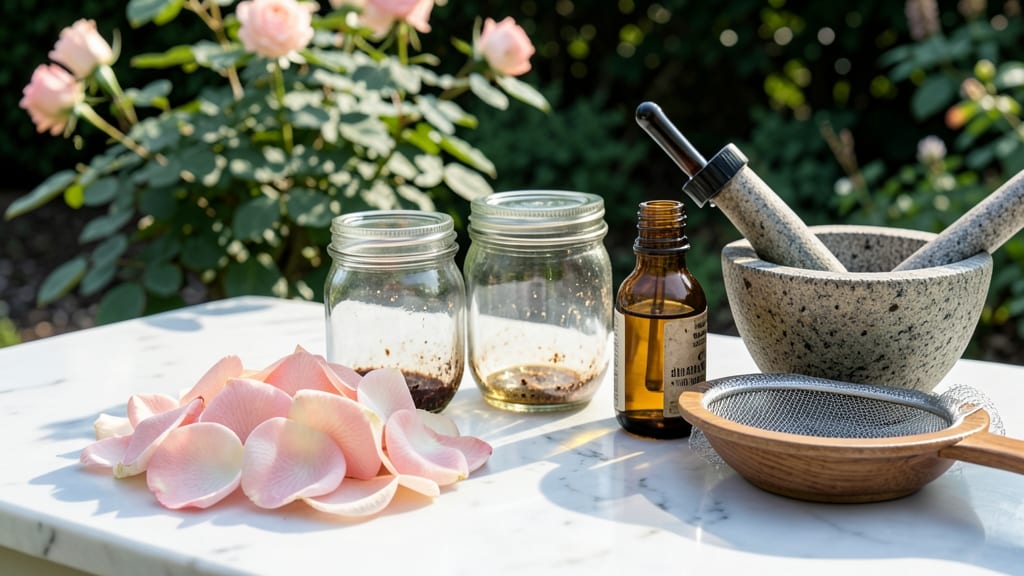
Your garden can become a fragrant apothecary. ✨ Making rose oil from petals turns your rose bushes into a goldmine of luxury—no fancy equipment needed, just fresh blooms and patience.
The secret starts with growing roses that yield abundant, fragrant petals, like 'David Austin' English roses or 'Rosa gallica', which are prized for both beauty and oil potential.
The process is simpler than it sounds: you'll need fresh petals, a carrier oil (like jojoba or sweet almond), and a clean glass jar. Harvest petals in the early morning when their scent is strongest, and avoid any with pesticides.
This isn't just a hobby—it's a way to transform your garden's natural bounty into something truly special, with uses ranging from perfumes to skincare.
Within 2-4 weeks, you'll have a delicate, rose-scented oil that smells like a spring garden. The key is consistency—keep the jar in a warm, dark place and stir gently each day.
Store your finished oil in a cool, dark spot, and it'll last for up to a year, preserving that fresh-picked rose aroma you worked so hard to capture.
This method works for any rose variety, but repeat bloomers like climbers or shrub roses give you the most harvests. Think of it as growing roses with purpose—every bloom becomes a step toward something luxurious and entirely homemade. Ready to turn petals into treasure?
📚 In This Guide
- What you need
- Instructions
- Tips and common mistakes
- Wrapping up and next steps
What you need
- ● Fresh rose petals – 1 cup (about 30-40g). Use organic, pesticide-free petals for the best results (garden roses or florist roses work perfectly!).
- ● Carrier oil – ½ cup (120ml). Choose a high-quality, cold-pressed oil like jojoba oil, sweet almond oil, or grapeseed oil (they have long shelf lives and blend well with floral scents).
- ● Clean, airtight glass jar – A 16-ounce (473ml) mason jar with a tight-sealing lid works best.
- ● Cheesecloth or fine strainer – For filtering the infused oil.
- ● Dark glass dropper bottle – 2-4 oz (60-120ml) to store your finished rose oil (amber or cobalt glass protects it from light).
- ○ Small saucepan or double boiler – For gently heating the mixture (optional but helpful for faster infusion).
- ● Vitamin E oil (5-10 drops) – Acts as a natural preservative and skin conditioner.
- ● Essential oils (e.g., lavender or vanilla) – 2-3 drops to enhance the scent (use sparingly!).
- ● Food dehydrator – To dry petals faster if you’re short on time.
- ● Label and marker – To tag your jar with the date and contents.
Step-by-step instructions for Making rose oil from petals
Here's how I create rich, fragrant rose oil at home—no shortcuts, just pure botanical chemistry.
🌿 Step 1: Harvest and Prepare Fresh Rose Petals
Pick petals in the early morning after the dew has dried but before the sun gets too hot—this preserves their essential oils. I use 2 cups of fresh, fully opened rose petals (about 10-12 stems of hybrid tea roses) for each batch. Remove any stems, leaves, or buds, as they can introduce bitter flavors or unwanted compounds.
Gently pat the petals dry with a clean kitchen towel to remove excess moisture. Wet petals won't infuse properly and can lead to mold. Spread them on a clean surface in a single layer and let them air-dry for 1-2 hours until they feel slightly crisp but not brittle. This step ensures your oil stays clear and lasts longer.
💧 Step 2: Choose and Prepare the Carrier Oil
Select a high-quality, odorless carrier oil like sweet almond, grapeseed, or jojoba oil—these won't compete with the rose scent. I use ½ cup of carrier oil for every 2 cups of petals. Warm the oil slightly (to 100°F) in a double boiler or microwave-safe bowl set over hot water to help extract the oils more efficiently.
Pour the warm oil into a clean glass jar with a tight-fitting lid. Add the dried petals, pressing them gently under the oil to ensure full coverage. Leave 1 inch of space at the top of the jar—this prevents mold growth and makes it easier to strain later. Seal the jar tightly and place it in a dark, cool spot (like a pantry).
☀️ Step 3: Infuse for 4-6 Weeks
Let the mixture sit undisturbed for 4-6 weeks, shaking the jar gently every 2-3 days. This keeps the petals suspended in the oil and maximizes infusion. I place mine on a windowsill that gets indirect light—too much sun can degrade the delicate rose compounds and turn the oil rancid.
After 3 weeks, check the color. The oil should turn a soft pink—if it's still pale, give it another week. If it's deep red, it's over-infused and may have a harsh scent. Strain the mixture through a fine-mesh sieve or cheesecloth into a clean glass bottle, pressing the petals gently to extract every last drop.
✂️ Step 4: Store and Use Your Finished Oil
Transfer the strained oil to a dark glass bottle with a dropper cap to protect it from light and air. Store it in a cool, dark place—your rose oil will keep for up to 1 year if properly preserved. The scent will mellow slightly over time, but it won't go bad.
Use your rose oil in small amounts—just 2-3 drops per application. It's perfect for perfumes, skincare, or even as a natural room freshener. For a stronger scent, you can repeat the infusion process with fresh petals and the same oil (just strain again after 2-3 weeks
Tips & tricks for perfect rose oil infusion
These little details make all the difference between a pleasant scent and true infused perfection.
Petal Selection: Hybrid tea roses yield the most aromatic oil, but any fragrant variety will work. Avoid hybrid teas with heavy perfume sprays—they can leave chemical residues. I always pick petals from organic roses when possible, as pesticides can interfere with the delicate infusion process.
Infusion Timing: The 4-6 week range is critical—don't rush it! The first 2 weeks extract the most volatile compounds, while the final weeks deepen the scent. I mark my calendar with reminders to shake every 2-3 days, as consistency matters more than exact timing. If you're short on time, you can strain at 3 weeks for a lighter scent, but the full 6 weeks develops that luscious rose bouquet.
Storage Wisdom: That 1-inch headspace in your jar isn't just for convenience—it prevents mold growth by allowing air circulation during the infusion process. After straining, transfer to a dark glass bottle immediately. Light degrades essential oils quickly, so store away from windows, even if the bottle is dark. The oil's shelf life of up to 1 year assumes proper storage in a cool, dark pantry.
Color Check: That soft pink color at 3 weeks is your target—it indicates proper infusion without over-extraction. If your oil turns deep red, it's over-infused and may have a harsh, almost medicinal scent. Strain immediately and use sparingly. For a stronger scent without over-extraction, you can add fresh petals to the same oil after the initial 6 weeks and strain again after 2-3 weeks.
Pro Tips for Make Rose Oil From Petals
- These little details make all the difference between a pleasant scent and true infused perfection.
- Petal Selection: Hybrid tea roses yield the most aromatic oil, but any fragrant variety will work.
- Infusion Timing: The 4-6 week range is critical—don't rush it!
Frequently asked questions
Got questions about crafting your own rose oil?
Here are answers to the most common ones—so you can infuse those petals with confidence!
How long does it take for the rose oil to be ready?
The infusion process typically takes 4–6 weeks for full potency. Patience is key—shake the jar daily and store it in a cool, dark place. If you’re in a hurry, you can speed it up slightly by placing the jar in a warm spot (like a sunny windowsill), but this may slightly alter the oil’s quality.
Can I use dried rose petals instead of fresh ones?
Yes! Dried petals work, but fresh ones yield richer, more aromatic oil. If using dried, ensure they’re completely dry (no moisture) and add a bit more carrier oil (like jojoba or sweet almond) to compensate for their lower moisture content. Soak them in the oil for 24 hours before infusing to revive their scent.
What if my rose oil smells weak or doesn’t develop much color?
Weak scent or pale color often means the infusion time wasn’t long enough or the petals weren’t fresh. Try these fixes:
- Extend the infusion time by 2–4 more weeks.
- Use more petals (aim for a 1:3 ratio of petals to oil).
- Strain and re-infuse the oil with fresh petals for a second round.
- Check for mold or spoilage—if the oil smells funky, discard it and start over.
Do I need to strain the oil before using it?
Always strain your rose oil before use! Even if the petals look fine, tiny particles can clog pipes or irritate skin. Use a fine-mesh strainer or cheesecloth, then store the oil in a dark glass bottle. For extra clarity, you can also filter it through a coffee filter or paper towel.
Can I reuse the infused petals after straining?
Not for oil infusion, but you can repurpose them! After straining, the petals can be:
- Composted (they’re nutrient-rich!).
- Dried further and used in potpourri or sachets.
- Added to homemade bath salts or skincare scrubs (just avoid direct skin contact if you’re sensitive).
Just avoid reusing them for oil—once the scent and oils are extracted, they won’t work as effectively.
What’s the shelf life of homemade rose oil?
Properly stored in a cool, dark place, your rose oil will last 1–2 years. Signs it’s gone bad include a sour smell, mold, or a rancid texture. If you notice any of these, toss it and start fresh. To extend shelf life, add a few drops of vitamin E oil (a natural preservative) during the infusion process.
Wrapping up and next steps
You’ve now unlocked the secret to crafting your own luxurious rose oil at home—pure, fragrant, and deeply rewarding! 🌹 Whether you’re drawn to its soothing scent, skincare benefits, or the joy of DIY magic, this process is your gateway to natural beauty and relaxation.
Now that you’re equipped with the how-to, why not experiment with different rose varieties or even blend your oil with other botanicals for a signature scent?
Ready to elevate your self-care routine? Start small, savor the process, and let your homemade rose oil become a cherished ritual. 💖