
Container Gardens
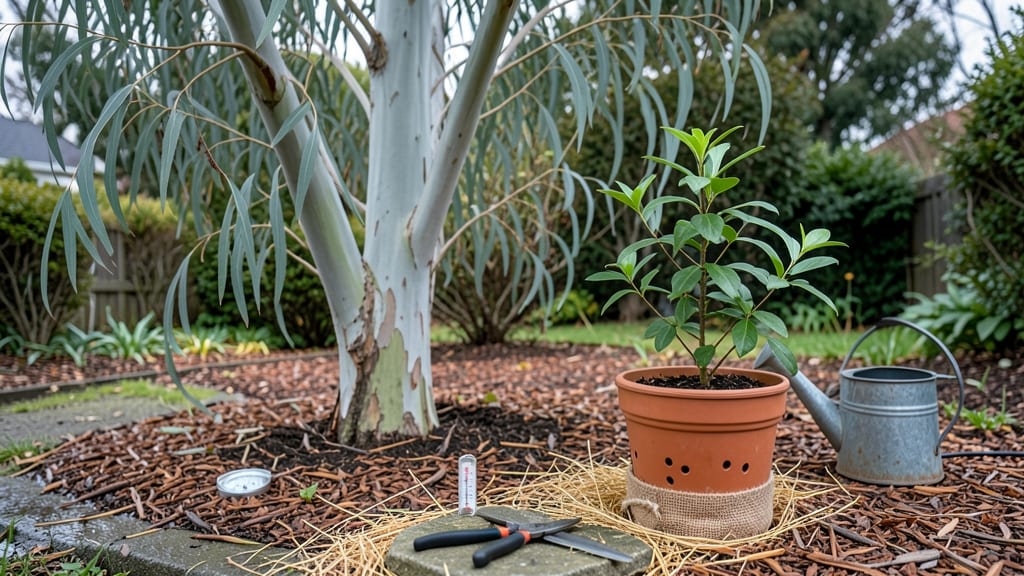
Overwintering eucalyptus isn’t as tricky as it seems—you just need the right approach. 🌿 I’ve saved my own potted eucalyptus through three winters by focusing on three key things: shelter, soil, and timing.
Most people assume these plants can’t survive cold, but with the right prep, they’ll bounce back stronger than ever.
The secret starts with moving your plant before temperatures drop below 25°F. Use a 5-gallon pot or larger for better insulation, and wrap the container in bubble wrap or burlap to shield roots from freezing.
In colder zones, bring it indoors near a bright window—just avoid drafts. The goal is to keep roots alive while protecting the foliage from frost.
By spring, you’ll notice fresh growth within 2-3 weeks of returning it outdoors. The leaves may look crispy at first, but new shoots will emerge from the base. This method works for both container-grown eucalyptus and small shrubs in the ground, as long as you protect the root zone.
The payoff? Year-round greenery that’s disease-resistant and drought-tolerant once established.
Regional tweaks matter: Mediterranean climates can handle outdoor overwintering with mulch, while Zone 5+ gardeners need extra insulation. The key is adapting without overcomplicating it—your eucalyptus will thank you with lush, glossy leaves come spring. Let’s get started with the step-by-step.
📚 In This Guide
- What you need
- Instructions
- Tips and common mistakes
- Wrapping up and next steps
What you need
- ● Container (if potted): A durable, well-draining pot (12"+ diameter for mature trees, 8"-10" for smaller varieties) with drainage holes. Terracotta or fiberglass works best to prevent root rot.
- ● High-quality potting mix: A fast-draining blend (60% inorganic material like perlite/pumice + 40% organic, e.g., cactus/succulent mix). Avoid heavy garden soil.
- ● Mulch: 3–4 inches of organic mulch (e.g., straw, pine needles, or shredded bark) to insulate roots. Skip mulch if overwintering indoors.
- ● Pruning tools: Sterilized bypass pruners (sharp, clean blades) and small hand saw (for thicker branches).
- ● Watering can or hose: With a gentle spray nozzle for hydration without disturbing soil.
- ● Frost cloth or bubble wrap: Lightweight, breathable frost blanket (30–50% shade cloth) for outdoor protection. Size to cover the entire plant + 12" extra.
- ○ Grow lights (optional for indoors): Full-spectrum LED grow lights (12–16 hours/day) if natural light is <10 hours/day.
- ○ Humidifier or pebble tray (optional): To maintain 40–50% humidity indoors (eucalyptus loves moisture!).
- ● Healthy plant: Prune dead/diseased branches before winter to reduce stress. Avoid heavy trimming—focus on shaping, not size.
- ● Location scouting: Pick a bright, draft-free spot (indoors) or sheltered outdoor area (e.g., against a south-facing wall).
- ● Temperature control: Indoors: Keep temps between 50–65°F (avoid cold drafts or heat vents).
- ● Outdoors: Choose a microclimate with minimal wind exposure and temps above 15°F (most varieties tolerate this).
- ● Watering schedule: Reduce watering by 50% in winter—let soil dry slightly between waterings to prevent rot.
Step-by-step instructions for overwintering eucalyptus
Here’s the foolproof method I’ve used to keep my eucalyptus thriving through winters—no frost damage, no wilting, just lush green year-round.
🌿 Step 1: Assess Your Eucalyptus Variety and Hardiness
Not all eucalyptus can handle cold. Check your plant’s label—most common varieties like Eucalyptus cinerea (argyle apple) or Eucalyptus gunnii (cider gum) tolerate 20-25°F with protection, while others like Eucalyptus globulus (tall gum) die below 30°F. If you’re unsure, treat your plant as frost-sensitive until you confirm its hardiness zone.
Look for signs of stress now: brittle leaves, brown edges, or stunted growth mean it’s borderline cold-tolerant. These plants need extra care. Healthy eucalyptus has glossy, vibrant green leaves and steady new growth—if yours matches, you’re in good shape.
🪴 Step 2: Prepare for Cold with Proper Container and Soil Adjustments
If your eucalyptus is in a pot, move it to a larger container (at least 2 inches deeper than its current one) with fresh, well-draining cactus/succulent mix blended with 20% perlite. Eucalyptus roots rot easily in soggy soil, and winter moisture lingers longer. Tap the pot gently after refilling to eliminate air pockets—roots need to breathe.
For in-ground plants, mound 4-6 inches of mulch (straw or shredded bark) around the base, leaving 2 inches of space from the trunk. This insulates roots while allowing airflow to prevent fungal issues. Water deeply one week before the first frost to encourage root hardening—you’ll see leaves curl slightly as the plant preps for cold.
☀️ Step 3: Protect from Frost with Strategic Sheltering
On nights when temperatures drop below 32°F, cover your eucalyptus with a frost cloth (not plastic—it traps moisture and burns leaves). Secure it loosely with clips or stakes, leaving the top 4-6 inches open for airflow. For potted plants, move them to a garage or sheltered porch where temps stay above 35°F. Avoid heat sources like furnaces—they dry out leaves.
Watch for frost formation on leaves in the morning. If you see ice crystals, your protection worked—but if leaves feel mushy or turn black, they’ve suffered cold damage. Trim affected branches back to healthy green growth immediately to prevent rot from spreading.
💧 Step 4: Adjust Watering and Light for Winter Survival
Reduce watering to every 10-14 days once temps drop below 40°F. Let the top 2 inches of soil dry completely between waterings—overwatering in cold soil suffocates roots. Use room-temperature water to avoid shocking the plant. You’ll notice slower growth, but consistent moisture prevents winter die-off.
Place potted eucalyptus near a south-facing window for 6+ hours of indirect light daily. Without enough light, leaves yellow and drop. If natural light is insufficient, supplement with a grow light (12 hours/day) positioned 6 inches away. Leggy growth means it’s reaching for light—adjust immediately.
✂️ Step 5: Prune and Revitalize After Winter
Once spring arrives (when night temps stay above 40°F), prune back any dead or brown branches with sterilized shears, cutting just above a leaf node. This encourages new growth. For severely damaged plants, trim one-third of the canopy to redirect energy. You’ll see fresh green shoots within 2-3 weeks—that’s your sign the plant is recovering.
Fertilize lightly with a balanced 10-10-10 formula diluted to half strength in early spring. Avoid heavy feeding until new growth appears. Over-fertilizing stressed plants burns roots. Water deeply after fertilizing to help nutrients absorb.
Tips & tricks for overwintering eucalyptus
Between us, these small but critical details make all the difference between a eucalyptus that greets spring with vibrant life and one that struggles to recover.
Variety-Specific Care: The 20-25°F tolerance for varieties like Eucalyptus cinerea is only true with proper protection—never assume your plant can handle cold just because it's labeled "hardy." I've seen E. gunnii survive 15°F with heavy frost cloth coverage, but only after a gradual acclimation period. Start protecting your plant when nighttime temps dip below 40°F to give it time to adjust.
Soil Preparation Secret: That 20% perlite in your cactus/succulent mix isn't just for drainage—it creates crucial air pockets that prevent winter root rot. I learned this the hard way after losing two potted eucalyptus to soggy soil during a particularly wet winter. Pro tip: Mix in 1 part horticultural charcoal (optional) to further prevent fungal issues without altering the soil structure.
Frost Cloth Technique: The 4-6 inch open top in Step 3 isn't arbitrary—it's about airflow. I used to cover my plants completely with plastic sheeting, which trapped moisture and led to leaf burn. The frost cloth should look like a loose tent; you should be able to fit your hand inside without resistance. For extra security, anchor it with rocking chair clips or plastic plant ties—they grip better than clothespins in windy conditions.
Light Monitoring: That 6+ hours of indirect light requirement is non-negotiable, but here's what nobody tells you: eucalyptus will stretch toward light even if it's not strong enough. If you notice leaves growing toward a window but staying pale, supplement immediately with a grow light on a timer—12 hours/day positioned 6 inches away. The key is consistency; sudden light changes cause more stress than the cold itself.
Pro Tips for Overwinter Eucalyptus
- Between us, these small but critical details make all the difference between a eucalyptus that greets spring with vibrant life and one that struggles to recover.
- Variety-Specific Care: The 20-25°F tolerance for varieties like Eucalyptus cinerea is only true with proper protection—never assume your plant can handle cold just because it's labeled "hardy."
- Soil Preparation Secret: That 20% perlite in your cactus/succulent mix isn't just for drainage—it creates crucial air pockets that prevent winter root rot.
Frequently asked questions
Got questions about keeping your eucalyptus thriving through winter?
Here are answers to the most common concerns—from timing to troubleshooting—so you can enjoy lush greenery year-round!
Can eucalyptus survive freezing temperatures?
Most eucalyptus varieties are not cold-hardy and will suffer damage below 20°F (-6°C). However, some species like Eucalyptus gunnii (Cider Gum) can tolerate brief dips to 10°F (-12°C) with proper protection. For container-grown plants, move them indoors or wrap pots in insulation to shield roots from frost.
When should I start preparing my eucalyptus for winter?
Begin 4–6 weeks before the first frost (typically late summer/early fall). This gives you time to:
- Trim dead/damaged branches
- Repot if roots are crowded
- Apply mulch or move containers to a sheltered spot
- Set up grow lights or indoor growing conditions (if needed)
What’s the best way to overwinter potted eucalyptus indoors?
Place your plant near a south-facing window (or under grow lights for 12+ hours/day) to mimic sunlight. Keep humidity high with a pebble tray or humidifier, and avoid drafts. Reduce watering—let the top inch of soil dry out between waterings—to prevent root rot. A bright, cool room (50–60°F/10–15°C) is ideal.
Can I overwinter eucalyptus outside in cold climates?
Only if you take aggressive protective measures:
- Wrap the pot and plant in burlap or frost cloth
- Use insulating materials (straw, leaves, or bubble wrap) around the base
- Choose a sheltered spot (e.g., against a sunny wall or under an eave)
- Water deeply before frost to hydrate roots
My eucalyptus leaves are turning brown/yellow—what’s wrong?
Brown/yellow leaves usually signal cold stress, overwatering, or transplant shock. Check these fixes:
- Cold damage: Move to a warmer spot or indoors immediately.
- Overwatering: Let soil dry out and ensure pots have drainage holes.
- Low humidity: Mist leaves or use a humidifier.
- Nutrient deficiency: Fertilize lightly with a balanced liquid feed in early spring.
Wrapping up and next steps
Overwintering eucalyptus doesn’t have to be a challenge—with the right prep, your fragrant, evergreen beauty can thrive even in chilly months! 🌿❄️ Whether you’re insulating pots, mulching roots, or relocating plants, these steps ensure your eucalyptus stays lush and healthy.
Remember, consistency in care (like watering and monitoring frost) is key to success.
Now that you’re armed with tips, take action! Start by assessing your plants this week and implementing the strategies that fit your climate. Soon, you’ll be enjoying year-round greenery and maybe even harvesting leaves for tea or crafts. Happy gardening!