
Picking
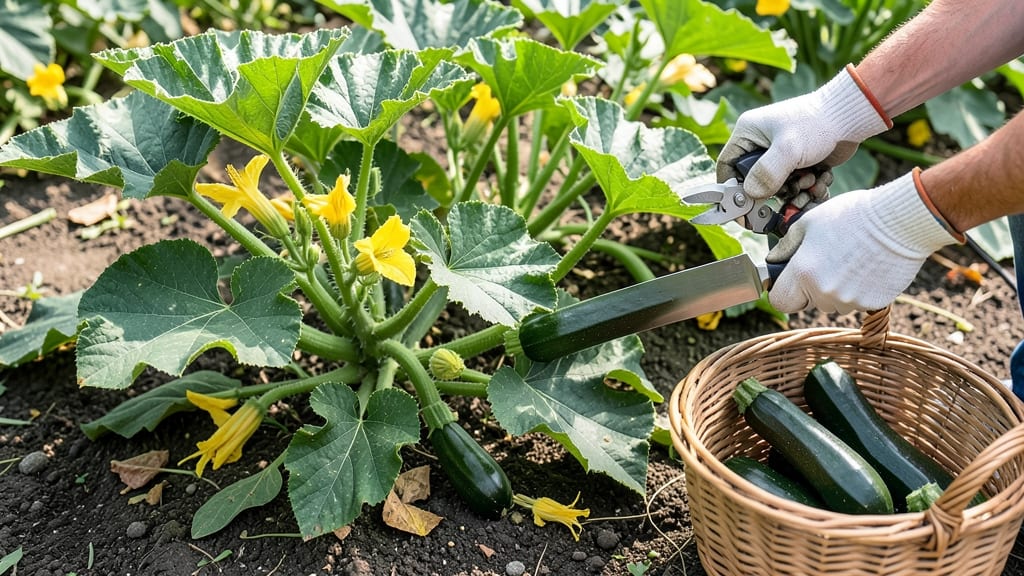
How to pick zucchini from the plant at the perfect moment means the difference between a dinner table feast and a sad, seedy mess. 🌱 The key isn't size alone—it's three simple tactile tests that tell you exactly when to snip.
I learned this the hard way after coming home to zucchini the size of baseball bats, and now my plants produce continuously all season. Start by checking the skin: when it's smooth and firm (not bumpy), that's your first green light.
Next, press gently—ripe zucchini yields slightly like a ripe avocado, not rock-hard or mushy. Finally, look for the blossom end: if the stem is still green and fresh, it's harvest time. Ignore these cues, and you'll end up with tough seeds and bitter flesh.
You'll harvest more often than you think—every 3-5 days keeps the plant producing. Use clean pruners or a sharp knife to avoid damaging the vine, and always cut at a slight angle to let water run off.
The first few picks might be small, but they'll grow back faster than you can say "zucchini bread." This method works for all zucchini varieties, from classic green to golden or round types. The secret? Consistency.
Once you master these tactile tests, your plants will reward you with weeks of steady harvests instead of one giant, unmanageable zucchini.
📚 In This Guide
- What you need
- Instructions
- Tips and common mistakes
- Wrapping up and next steps
What you need
- ● Garden shears or pruning shears – A sharp pair with 4- to 6-inch blades for clean cuts (avoid dull tools that crush stems!).
- ○ Gloves (optional but recommended) – Lightweight, gardening or work gloves to protect hands from thorns or rough stems.
- ● Harvest basket or bucket – A sturdy, breathable container (like a woven basket or mesh bag) to prevent bruising zucchini.
- ● Measuring tape or ruler – For checking zucchini size (aim for 6–8 inches for ideal texture and flavor).
- ● Sharp knife (backup) – A chef’s knife or paring knife if shears aren’t available (use for twisting, not cutting).
- ● Garden twine or labels – If you’re marking plants for future reference (e.g., varieties or harvest dates).
- ● Spray bottle with water – To mist plants post-harvest if your garden is dry.
- ● Small notebook or app – For tracking harvest dates or plant growth patterns.
- ● Knee pad or stool – For comfort if your zucchini plants are tall or sprawling.
Tips & tricks for perfect zucchini harvesting
Confession: I skipped the tactile tests for years and wondered why my zucchini always tasted bland or turned tough. Here's what nobody tells you about getting it right the first time.
The Size Secret: That 6-8 inch rule isn't just about length—it's about the weight too. A perfect zucchini should feel substantial in your hand, like a ripe cucumber but slightly heavier. I've found that zucchini at this stage have the best balance of sweetness and tenderness. If you're harvesting multiple zucchini, look for ones that feel uniform in weight—this consistency means they'll cook evenly too.
Skin Texture is Everything: The "thumbs-up" test in Step 2 works because it checks for two things simultaneously: firmness and moisture content. Press gently—you shouldn't see any dents, but the skin should yield just slightly, like pressing your thumb into a ripe peach. I've learned that morning harvests always pass this test better because the plants are hydrated from overnight water uptake. If the skin feels waxy or dry, it's past its prime.
Stem and Flower Clues: Pay attention to the flower's condition—when it's crispy and brown, that means the zucchini has had exactly the right amount of time to develop its flavor without becoming fibrous. I've noticed that the fuzzy green stem is actually more reliable than the flower's appearance. If the stem feels slightly woody when you twist it, that's your final warning sign to harvest immediately or you'll miss the window.
Tool Prep Matters: That ½-inch cut below the stem in Step 4 isn't just about clean separation—it's about plant health. Using sanitized tools prevents disease transmission that can kill your entire plant. I keep a small bottle of rubbing alcohol in my gardening toolkit and wipe down shears after every 3-4 harvests. The small gap also helps the plant heal faster, encouraging more production. Don't skip this step—it's the difference between a struggling plant and one that gives you bushels.
Pro Tips for Pick Zucchini From Plant
- Confession: I skipped the tactile tests for years and wondered why my zucchini always tasted bland or turned tough.
- The Size Secret: That 6-8 inch rule isn't just about length—it's about the weight too.
- Skin Texture is Everything: The "thumbs-up" test in Step 2 works because it checks for two things simultaneously: firmness and moisture content.
Frequently asked questions
about picking zucchini can save you time and frustration—here are the most common ones!When is the best time of day to pick zucchini?
Harvest zucchini in the morning when they’re cool and crisp—this is when their skin is firmest and flavor is peak. Avoid picking after a hot day, as the skin may be tougher and the flesh softer. If you must pick later, choose smaller squash to avoid rubbery texture.
What if my zucchini plant keeps producing flowers but no fruit?
This usually means pollination isn’t happening. Try gently shaking the plant to help pollen transfer, or use a small paintbrush to manually pollinate flowers. Ensure your plant gets plenty of sunlight (6+ hours/day) and isn’t stressed by drought or overwatering. Some varieties are also self-pollinating but need a little help!
How often should I check my zucchini plant for ripe squash?
Check your plant every 2–3 days once flowers appear. Zucchini grow rapidly—they can go from edible to oversized in just 48 hours! Regular checks prevent bitterness and ensure you harvest at the ideal size (6–8 inches long). Set a reminder if you’re new to gardening!
Can I pick zucchini when it’s still small, or does it need to be a certain size?
Yes! Smaller zucchini (4–6 inches) are sweeter and tenderer—perfect for grilling or spiralizing. Wait until they’re at least 4 inches long for best texture, but don’t let them grow past 8 inches, or they’ll become seedy and tough. Pro tip: Harvesting young squash encourages more production!
What should I do if my zucchini turns yellow or gets soft spots?
Yellowing or soft spots signal overripeness or disease. Cut off the squash immediately to prevent spreading to others. If it’s just overripe, use it in soups or bread—just trim the bad spots. For future harvests, pick more frequently and avoid water splashing on leaves to reduce rot risk.
Wrapping up and next steps
Picking zucchini at the perfect moment ensures juicy, tender, and flavorful harvests that’ll make your garden—and your kitchen—shine! 🌱 By mastering the thickness, color, and texture tests, you’ll avoid those oversized, seedy giants and enjoy peak freshness.
Now that you’re equipped with these tactile tricks, it’s time to roll up your sleeves and start harvesting—your first perfect zucchini is just a few days (and a gentle twist) away!