
Container Gardens
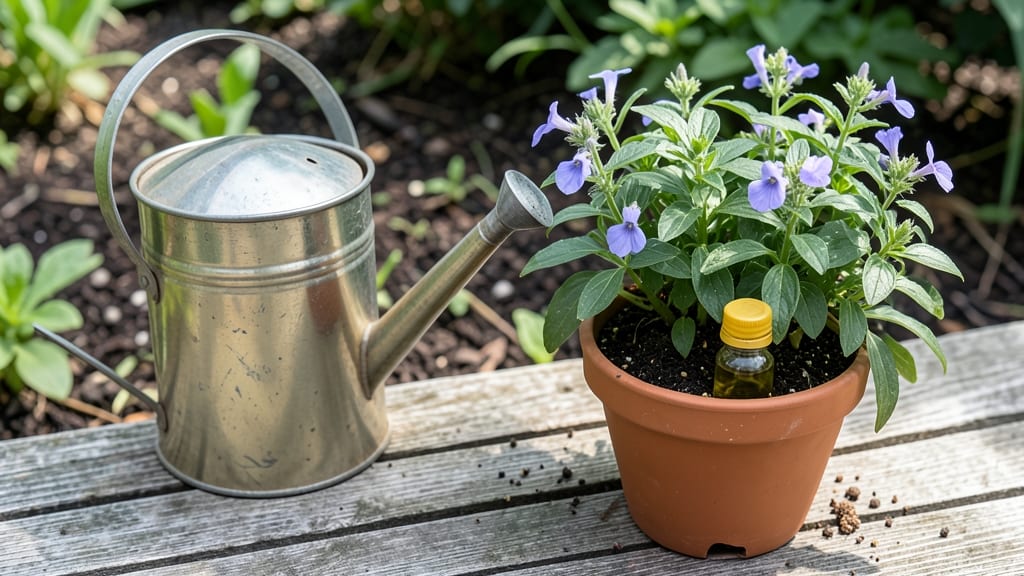
How to care for lobelia in pots brings that jewel-toned charm to balconies and window boxes. 🌿 I’ve grown lobelia for years, and the secret to its lush, trailing beauty isn’t complicated—it’s about matching its needs to container life. Too much heat or dry soil, and those delicate blooms wilt. But get it right, and you’ll have nonstop color from spring until frost.
The key starts with soil—lobelia hates soggy roots but won’t tolerate drought either. A well-draining potting mix with added perlite or sand keeps moisture balanced while preventing root rot. Water when the top inch feels dry, but never let it sit in saucers.
And here’s the trick: morning sun keeps blooms vibrant without scorching the foliage, while afternoon shade in hot climates prevents stress.
With regular feeding (every 2-3 weeks in growing season) and a light trim after blooms fade, your lobelia will trail like a waterfall all season. The real magic?
It thrives in small pots—even 6-inch containers work—making it perfect for tight spaces. Just watch for spider mites in dry heat, and you’re golden.
Overwintering? Bring pots indoors near a bright window and reduce watering. Lobelia’s delicate but resilient—once you master these basics, it’ll reward you with months of effortless color. Here’s how to keep it happy all year.
📚 In This Guide
- What you need
- Instructions
- Tips and common mistakes
- Wrapping up and next steps
What you need
- ● Lobelia plants: Choose Lobelia erinus (annual) or Lobelia siphilitica (perennial) from a nursery or garden center. Opt for healthy plants with vibrant foliage and buds.
- ● Containers: 1-3 pots per plant, depending on spacing needs. Size: 6–12 inches in diameter (hanging baskets or shallow containers work best).
- ● Drainage holes are a must—no exceptions!
- ● High-quality potting mix: Use a well-draining, peat-based mix (e.g., African violet or seed-starting mix). Avoid garden soil—it compacts and suffocates roots!
- ● Slow-release fertilizer: A balanced 10-10-10 or 20-20-20 granular fertilizer (follow package instructions for dosage).
- ● Watering can or spray bottle: Lobelia loves consistent moisture—a gentle spray or drip system helps avoid overwatering.
- ● Pruning shears or scissors: For trimming leggy stems or deadheading spent blooms.
- ● Moss or sphagnum peat: Line hanging baskets to retain moisture and add texture.
- ● Liquid fertilizer: A water-soluble, low-salt option (e.g., fish emulsion or seaweed extract) for mid-season feeding.
- ● Mulch (e.g., perlite or pine bark): Helps retain moisture in the top layer of soil.
- ● Support stakes or trellis: If growing upright varieties, lightweight stakes can provide extra support.
- ● pH test kit: Lobelia thrives in acidic soil (pH 5.5–6.5). Adjust with sulfur if needed.
Step-by-step instructions for growing lobelia in containers
Here's how I keep lobelia cascading like a waterfall—easy, beautiful, and with zero fuss.
🪴 Step 1: Choose the Right Container and Drainage
Lobelia thrives in hanging baskets or shallow window boxes with at least 6 inches of depth—any deeper and roots may rot. I use terra cotta pots because they wick moisture away naturally, preventing soggy roots. Make sure every container has multiple drainage holes—lobelia hates wet feet.
If your pot lacks drainage, drill extra holes along the bottom. Line the container with coconut coir (not plastic) to prevent soil from washing out while still allowing water to escape. Fill the bottom 2 inches with orchid bark or perlite to improve aeration—this is non-negotiable for lobelia’s delicate roots.
🌱 Step 2: Plant with Proper Spacing and Light
Fill the pot with moistened potting mix (avoid garden soil—it compacts too much). Use 4-6 lobelia plants per 12-inch hanging basket—crowding leads to leggy, sparse growth. Gently tease apart roots if they’re tangled, then place each plant 1 inch deep, pressing lightly to secure.
Lobelia needs bright, indirect light—think east or west-facing windows or 4-6 hours of morning sun. If growing indoors, place near a south window but avoid harsh afternoon rays, which scorch delicate foliage. You’ll know the light is right when leaves stay deep green and stems grow compact, not stretched.
💧 Step 3: Water Consistently Without Overdoing It
Water lobelia daily in hot weather—the soil should stay evenly moist but never soggy. Stick your finger ½ inch deep into the soil; if it feels dry, water thoroughly until it drains from the bottom. In cooler months, water every 2-3 days, adjusting for humidity levels.
Here’s the trick: water from the top until it runs out the drainage holes, then empty the saucer. Lobelia roots rot quickly in standing water. If you see yellowing leaves, you’re overwatering—cut back immediately. For extra humidity (especially indoors), mist the foliage lightly in the morning—this mimics its natural boggy habitat.
✂️ Step 4: Prune and Fertilize for Bushier Growth
Pinch back tips of new growth when stems reach 3-4 inches to encourage branching. I do this every 2-3 weeks during spring and summer—it’s the secret to those lush, trailing cascades. Deadhead spent blooms regularly to keep flowers coming; lobelia blooms best when it’s not putting energy into seed production.
Feed with a balanced liquid fertilizer (10-10-10) every 2 weeks during the growing season. Dilute to half-strength—lobelia is sensitive to salt buildup. In fall, switch to a low-nitrogen fertilizer to promote blooming over leafy growth. If leaves turn purplish, you’re over-fertilizing—flush the soil with water immediately.
☀️ Step 5: Overwinter Lobelia Properly
When temperatures drop below 50°F, move lobelia indoors to a cool, bright spot (like a north window). Reduce watering to once a week, letting the top ½ inch of soil dry out between waterings. Prune back ⅓ of the plant to remove weak growth—this helps it focus energy on survival.
In late winter (around February), repot into fresh potting mix and resume regular care. Lobelia is perennial in zones 10-11, but most gardeners treat it as an annual. If you’re in a cold climate, start new plants from cuttings in spring—it’s easier than coaxing old plants back to life.
Tips & tricks for perfect lobelia in pots
Here's what nobody tells you about keeping lobelia thriving in containers—these small details make all the difference.
Container Material Matters: While terra cotta is ideal, plastic pots retain moisture longer and can lead to root rot. If using plastic, increase drainage by adding an extra ½-inch layer of perlite at the bottom. I've seen lobelia in plastic pots thrive when given this extra breathing room—just watch for the first signs of yellowing leaves, which means it's time to check drainage.
Light Adjustment Trick: If your lobelia starts looking leggy (long stems with sparse leaves), it's getting too little light. Rotate the pot a quarter turn weekly so all sides get even morning sun exposure. For indoor plants, supplement with a grow light for 4-6 hours daily—this prevents that sad, stretched-out look and keeps those trails bushy and full.
Fertilizer Timing Secret: The weekly liquid fertilizer in spring and summer is non-negotiable, but here's the pro move: alternate between a balanced fertilizer and one higher in phosphorus (like 10-30-20) during blooming season. This boosts flower production without burning delicate roots. Always dilute to half-strength—over-fertilizing is the #1 reason lobelia turns crispy at the edges.
Winter Survival Hack: When bringing lobelia indoors before 40°F, give it a gentle shower to remove dust and pests. Then, place it in a bathroom with a window—humidity from showers mimics outdoor conditions and prevents leaf drop. This simple step has saved my lobelia from winter decline every year, and it's ready to bounce back with fresh growth by spring.
Pro Tips for Care For Lobelia In Pots
- Here's what nobody tells you about keeping lobelia thriving in containers—these small details make all the difference.
- Container Material Matters: While terra cotta is ideal, plastic pots retain moisture longer and can lead to root rot.
- Light Adjustment Trick: If your lobelia starts looking leggy (long stems with sparse leaves), it's getting too little light.
Frequently asked questions
Got questions about keeping your lobelia happy in pots? You’re not alone! Here are answers to the most common concerns—so you can enjoy lush, trailing blooms without the guesswork.
How often should I water lobelia in pots?
Lobelia loves moisture but hates soggy roots. Water when the top inch of soil feels dry—usually every 2–3 days in hot weather or daily in extreme heat. Use a tray of pebbles under the pot to boost humidity, and always drain excess water to prevent root rot. Pro tip: Morning watering keeps foliage dry longer, reducing fungal risks.
When is the best time to repot lobelia?
Repot lobelia in early spring (before active growth) or if roots are circling the pot. Choose a container just 1–2 inches larger in diameter, with drainage holes. Refresh the soil with a well-draining potting mix (add perlite or sand for extra aeration). Avoid repotting during flowering—wait until after blooms fade.
Why are my lobelia leaves turning yellow or dropping?
Yellowing leaves usually signal overwatering or nutrient deficiency. Check the soil—if it’s soggy, reduce watering and ensure the pot drains well. For yellowing edges, it might be chlorosis (iron deficiency). Use a balanced liquid fertilizer (like 10-10-10) every 4–6 weeks. Bonus fix: Add a handful of compost to the soil for a slow-release boost.
Can lobelia survive winter in pots?
Most lobelia is annual or tender perennial—it won’t survive frost. Before winter, dig up tubers (if growing from seed) or treat it as a seasonal plant. Overwinter indoors near a bright window, keeping soil lightly moist. Alternatively, replace pots in spring with fresh lobelia for year-round color.
What’s a good alternative if lobelia doesn’t thrive in my climate?
If your area is too hot/dry or lacks shade, try these low-maintenance trailing pot plants:
- Bacopa – Thrives in heat, blooms white/purple flowers.
- Sweet Potato Vine – Fast-growing, drought-tolerant (great for cascading).
- Fuchsia – Loves shade, produces stunning pendulous blooms.
- Creeping Jenny – Hardy, golden foliage for year-round interest.
Wrapping up and next steps
Caring for lobelia in pots is simpler than you might think—just a little sunlight, water, and love will reward you with cascading blooms that brighten up any space! 🌸 With the right container, soil, and occasional pruning, your lobelia will thrive year after year, adding a touch of whimsy to balconies, windowsills, or hanging gardens.
Now that you’re armed with these tips, why not grab a pot and get planting? Your future trailing beauty is waiting!
Next step: Pick your favorite lobelia variety and start experimenting with colors and textures—your container garden adventure begins now! 🌿