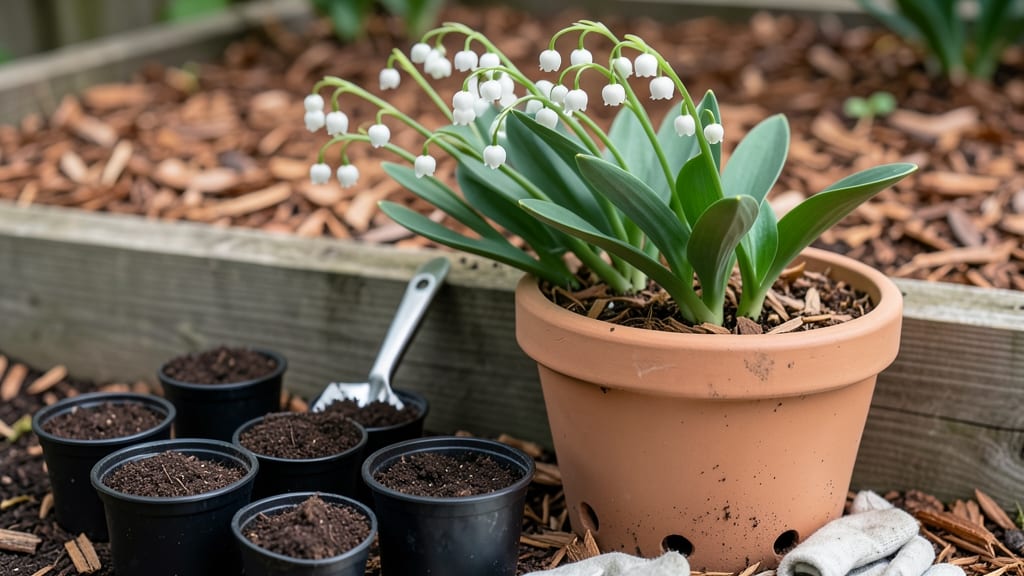
Buying guide: how to contain lily of the valley effectively
1. Choose the Right Neem Oil Formulation 💡
Not all neem oil products are created equal—concentration and formulation determine effectiveness. For root suppression, I recommend concentrated neem oil (like the 32 oz pure concentrate) for deep soil penetration, while pre-mixed sprays (16 oz) offer convenience for foliar and light root control.
Granules and cakes provide long-term barriers but require mixing into soil. Counter-intuitively, liquid concentrates often work better for established infestations, while granules excel for preventive barriers in new plantings.
2. Prioritize Root vs. Pest Control ⚡
Lily of the valley spreads via rhizomes (roots) and egg-laying aphids. If your goal is root suppression, opt for neem oil granules or cakes mixed into soil borders. For pest deterrence, sprays with built-in surfactants (like the ready-to-use 1% solution) adhere better to foliage.
I’ve found that dual-action formulas (neem + soap) strike the best balance, targeting both underground roots and above-ground pests in one application.
3. Verify Organic Certification ✅
Always check for OMRI-listed organic certification—this ensures the product is safe for certified organic gardens and won’t harm beneficial insects. Neem oil is generally pet-safe after drying, but some formulations may irritate sensitive plants.
I recommend avoiding synthetic additives and sticking to 100% cold-pressed neem oil for the cleanest, most effective results.
4. Plan for Application Frequency and Longevity 🔍
Liquids (sprays/concentrates) require frequent reapplication (every 2-6 weeks), while granules and cakes offer longer-lasting suppression (3-6 months). For budget-friendly options, pre-mixed sprays are ideal for small gardens, but granules save money in the long run for large areas. Pro tip: Apply before rain to ensure absorption, and avoid overwatering immediately after treatment to maximize effectiveness.
5. Consider Your Garden’s Ecosystem 🛡️
Neem oil is non-toxic to bees and earthworms when used correctly, but it can disrupt beneficial insects if overapplied. For edible gardens, wait 72 hours after treatment before harvesting.
If you have delicate perennials, test a small area first—some plants (like lavender) tolerate neem well, while others may show sensitivity. Soil health matters: Pair neem treatments with compost or organic mulch to support root competition against lily of the valley.
Frequently asked questions
Q: How do I physically contain lily of the valley in garden beds?
Use a combination of root barriers and neem oil treatments for the best results. Install a deep plastic or metal root barrier (at least 20 inches deep) around the perimeter of the garden bed to block rhizome spread. Then, apply a neem oil concentrate (like the 32 oz pure solution) directly to the soil border to suppress root growth. For existing patches, dig out the roots and apply a neem oil spray to prevent regrowth. Pro tip: Pair this with organic mulch to smother emerging shoots.
Q: Can I use neem oil to contain lily of the valley in pots?
Yes! For potted lily of the valley, use a pre-mixed neem oil spray (like the 16 oz ready-to-use option) every 2-3 weeks to deter root growth and aphids. Ensure the pot has drainage holes and place it in a shaded area to reduce stress. If the plant outgrows the pot, trim the roots and repot with fresh soil mixed with neem oil granules for long-term suppression. Note: Avoid overwatering, as soggy soil accelerates rhizome spread.
Q: Why isn’t my neem oil treatment stopping lily of the valley?
If neem oil isn’t working, you may be missing rhizomes hidden underground. Dig around the base of the plant to remove any underground stems, then reapply the treatment. Also, ensure you’re using the correct concentration (1% neem oil solution) and applying it directly to the soil, not just foliage. For stubborn patches, switch to a neem cake or granules mixed into the soil for deeper root suppression. Key fix: Apply after rain or watering to enhance absorption.
Q: What’s the difference between neem oil sprays and granules for containing lily of the valley?
1
Neem oil sprays
(like the 16 oz ready-to-use) are best for quick, above-ground control and require frequent reapplication (every 2-3 weeks). They’re ideal for small gardens or foliar pests. Neem oil granules (like the 2 lb slow-release option) are mixed into soil for long-term root suppression (lasting 3-6 months) and are perfect for large areas or established infestations. Granules are less messy but require soil incorporation, while sprays offer convenience.
Q: Is neem oil safe for other plants when containing lily of the valley?
Neem oil is generally safe for most plants when used correctly, but it can irritate sensitive species like lavender or citrus. Always test a small area first and avoid spraying in direct sunlight. For edible gardens, wait 72 hours after treatment before harvesting. To minimize risks, use organic-certified neem oil (like the OMRI-listed concentrate) and apply early in the morning to reduce plant stress. Pro tip: Pair with compost tea to support plant resilience.
Q: How long does it take to see results from neem oil containment?
You’ll typically see initial slowing of growth within 1-2 weeks, but full containment may take 2-3 months of consistent application. Granules and cakes (like the 5 lb neem cake) show results faster in soil (within 4-6 weeks) due to their slow-release nature. For sprays, expect faster foliar pest control but less root suppression unless combined with digging. Patience is key—seasonal reapplication (spring and fall) yields the best long-term results.
Q: What’s a budget-friendly alternative to neem oil for containing lily of the valley?
For a low-cost solution, try a vinegar and salt spray (1 gallon water + 1 cup vinegar + 1 tbsp salt) applied directly to foliage and soil. However, this is less effective for roots than neem oil. Another option is corn gluten meal (apply as a soil drench in early spring to inhibit rhizome growth). For best value, the 16 oz neem oil spray offers a balanced, organic approach without breaking the bank while targeting both roots and pests.
★★★★★4.5(9 reviews)