
Flowers
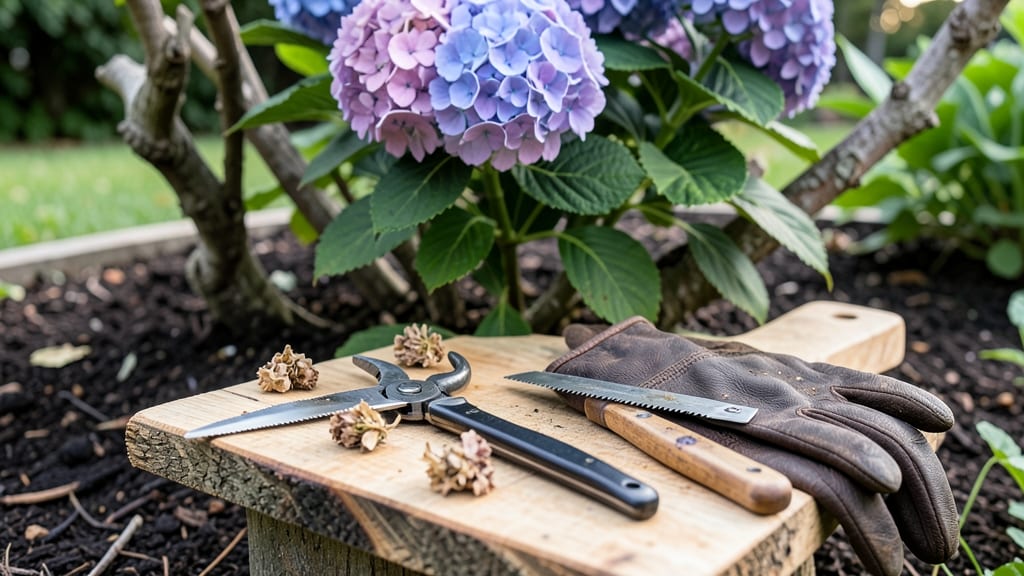
Late winter’s the perfect time to how to cut off dead hydrangea flowers—ensuring next year’s showstopper blooms. 🌿 I’ve pruned mine for years, and the difference between a tired shrub and a lush, blooming bush comes down to timing and technique.
Most varieties need a clean trim before new growth starts, but there’s a right way and a wrong way to do it. You’ll only need sharp pruners and a little patience—no fancy tools required. The goal is to remove last year’s spent blooms while leaving next season’s buds intact.
For mophead types, look for the swollen buds at the base of the stems; for panicle hydrangeas, cut just above a leaf node. One wrong snip can mean fewer flowers later, so pay attention to where you’re cutting.
After a few minutes, you’ll see the shrub’s skeleton emerge—cleaner stems mean better airflow, which prevents disease and encourages stronger growth. The result? A bush that looks like it just stepped out of a nursery, with bigger, healthier blooms by summer.
Just avoid pruning too late in the season, or you risk cutting off next year’s flowers before they form. This method works for both container and in-ground hydrangeas, and it’s beginner-friendly once you get the hang of it. Let’s get those shears ready—your future blooms will thank you!
📚 In This Guide
- What you need
- Instructions
- Tips and common mistakes
- Wrapping up and next steps
What you need
- ● Pruning shears or bypass pruners – Choose sharp, clean tools with bypass blades (avoid anvil pruners—they crush stems). A 5- to 7-inch pair is ideal for most hydrangeas.
- ● Garden gloves – Opt for nitrile-coated or heavy-duty leather gloves (size medium to large) to protect against thorns and dirt.
- ● Disinfectant (70% isopropyl alcohol or bleach solution) – A small bottle or spray to clean tools between cuts (prevents disease spread).
- ● Trash bag or bucket – A 10- to 20-gallon bag or container for removing dead blooms and debris.
- ○ Ladder (optional but helpful) – If your hydrangeas are 6+ feet tall, a lightweight step ladder (4- to 6-foot height) makes reaching easier.
- ● Hand pruners or loppers – For thicker stems (if your hydrangea has woodier branches). Look for ratchet-style loppers for extra leverage.
- ● Garden kneeler or stool – If you’re working close to the ground, a foldable kneeler saves your knees!
- ● Plant food or compost – A balanced 10-10-10 fertilizer or aged compost to nourish your hydrangeas post-pruning.
- ● Markers or flags – If you’re reorganizing growth, small plant markers help track changes.
Step-by-step guide to pruning dead hydrangea flowers
Here’s the no-fuss method I’ve used for years to keep my hydrangeas blooming bigger and longer each season.
✂️ Step 1: Identify and Locate the Dead Blooms
Start by scanning your hydrangea for spent flowers—they’ll look brown, crispy, or woody compared to fresh green growth. I like to do this in late fall or early winter when the plant is dormant, but you can also prune right after blooming if you prefer. Grab your pruners and focus on the woody stems where the dead flowers attach.
Look for the swollen buds just below the dead blooms—these are next year’s flowers waiting to bloom. If you accidentally cut into one, don’t worry; just trim back to the next healthy bud. The key is to cut just above a set of leaves or a bud, never leaving a stub.
✂️ Step 2: Cut Back to the Right Spot for Each Type
Hydrangeas bloom on old wood (last year’s growth) or new wood (this year’s growth), and pruning differently for each type is critical. For bigleaf hydrangeas (like Endless Summer), which bloom on old wood, cut back only the dead flower heads—leave the rest of the stem intact. For panicle or smooth hydrangeas, which bloom on new wood, you can trim back one-third of the plant to encourage fresh growth.
Use clean, sharp pruners to make a 45-degree angle cut about ¼ inch above the bud or leaf set. This prevents water from pooling and rotting the stem. If your hydrangea is overgrown, thin out some of the oldest stems completely to improve airflow and reduce disease risk.
✂️ Step 3: Clean Up and Shape the Plant
After removing the dead blooms, step back and assess the plant’s shape. Hydrangeas naturally grow in a rounded form, so aim to maintain that silhouette. Trim any crossing or rubbing branches that might damage the plant over time. These are branches that grow toward each other and create weak points where diseases can enter.
Remove any weak, diseased, or damaged stems at the base. If you’re dealing with a large hydrangea, use a small saw for thick stems over ½ inch in diameter. Always sterilize your tools with rubbing alcohol between cuts to prevent spreading bacteria or fungus.
🌿 Step 4: Finish with a Light Mulch and Water
Once pruning is done, spread a 2-3 inch layer of mulch around the base of the plant, keeping it 3-4 inches away from the stem to prevent rot. This helps retain moisture and regulates soil temperature. Water deeply to settle the mulch and encourage root growth.
For the first few weeks after pruning, keep an eye out for new buds forming at the base of the plant. These are your signal that the hydrangea is gearing up for next season’s blooms. If you notice any yellowing leaves or wilting, it could mean over-pruning or stress—just give it time and consistent watering.
⏰ Step 5: Plan for Next Season’s Growth
In early spring, before new growth appears, give your hydrangea a balanced fertilizer to support vigorous blooming. I use a 10-10-10 formula applied according to package instructions. Avoid heavy nitrogen fertilizers, which promote leafy growth at the expense of flowers.
Monitor your hydrangea throughout the growing season for signs of pests like aphids or spider mites. A strong, well-pruned plant is more resilient, but early intervention with insecticidal soap can save you from a full-blown infestation. With proper pruning, your hydrangea will reward you with bigger, fuller blooms next year.
Tips & tricks for perfect hydrangea pruning
These simple strategies will help you prune with confidence and keep your hydrangeas thriving for years.
Timing is Everything: The best time to prune is in late fall or early winter when the plant is dormant, but you can also do it right after blooming if you prefer. I've found that pruning immediately after flowers fade gives me a clear view of where to cut without disturbing next year's buds. Just be careful not to prune too early—wait until the flowers have completely died back.
Tool Prep Matters: Always sterilize your pruners with rubbing alcohol between cuts to prevent spreading disease. I keep a small bottle of alcohol in my gardening toolkit and wipe down blades after every 3-5 cuts. Sharp tools make cleaner cuts that heal faster, so invest in a good pair of bypass pruners—they're worth every penny for the precision they offer.
Visual Cues for Perfect Cuts: When making your 45-degree angle cut about ¼ inch above a bud or leaf set, look for the swollen buds just below dead blooms—these are next year's flowers. The cut should be clean and smooth, not jagged. If you're unsure where to cut, imagine drawing a line from the bud outward at a slight angle—this helps maintain the plant's natural shape.
Post-Prune Care: After finishing, spread a 2-3 inch layer of mulch around the base, keeping it 3-4 inches away from the stem to prevent rot. Water deeply to help the plant recover. I've noticed that hydrangeas pruned in late fall benefit from an extra layer of mulch over winter, which protects the roots from freezing temperatures.
Pro Tips for Cut Off Dead Hydrangea Flowers
- These simple strategies will help you prune with confidence and keep your hydrangeas thriving for years.
- Timing is Everything: The best time to prune is in late fall or early winter when the plant is dormant, but you can a...
- Tool Prep Matters: Always sterilize your pruners with rubbing alcohol between cuts to prevent spreading disease. I ke...
Frequently asked questions
When is the best time to prune dead hydrangea flowers?
Prune dead hydrangea blooms in late winter or early spring (before new growth starts). For bigleaf and oakleaf varieties, cut back after blooming if needed. Panicle and smooth hydrangeas bloom on new wood—prune in late winter to encourage fresh growth. Avoid pruning in fall, as it can stimulate tender growth vulnerable to frost.
Do I cut hydrangeas all the way back to the ground?
No! Only prune dead or diseased wood—never cut healthy stems to the ground. For most hydrangeas, trim back 1/3 of the previous year’s growth. Bigleaf hydrangeas (like H. macrophylla) should be pruned lightly to avoid sacrificing next year’s blooms, which form on old wood. Panicle hydrangeas can be cut harder since they bloom on new growth.
What if I accidentally prune too much?
Don’t panic! If you’ve over-pruned, your hydrangea may take a year to recover, but it’ll still grow. Focus on watering deeply and fertilizing lightly (use a balanced 10-10-10 formula) in spring. Avoid heavy pruning next year—stick to deadheading spent blooms or light shaping. With patience, your plant will bounce back!
Can I still get flowers if I don’t prune at all?
Yes, but your hydrangea may produce fewer, smaller blooms over time. Pruning encourages airflow, sunlight penetration, and new growth, leading to healthier, fuller plants. If you skip pruning, remove only the dead flowers (deadheading) to redirect energy to new blooms. However, unpruned hydrangeas can become leggy or overcrowded.
How do I know if my hydrangea is dead vs. dormant?
Check for green buds or flexible stems—if present, your hydrangea is dormant, not dead. Cut a small branch open: if it’s green inside, it’s alive. If stems are brown, mushy, or crumbly, the plant may be dead (replace it). For tricky cases, wait until spring—new shoots confirm life! Avoid pruning until you’re sure.
Wrapping up and next steps
Cutting back dead hydrangea flowers isn’t just about tidying up—it’s your secret to next year’s showstopping blooms! 🌸 With the right tools, timing, and technique, you’ll encourage healthier growth, bigger flowers, and a garden that turns heads.
Now that you’re armed with the know-how, there’s no better time to roll up your sleeves and prune—your future floral masterpiece is waiting!
Ready to take it further? Check out our guide on fertilizing hydrangeas for even more vibrant blooms—or share your pruning progress with fellow gardeners online. Happy gardening! 🌿