
Planting
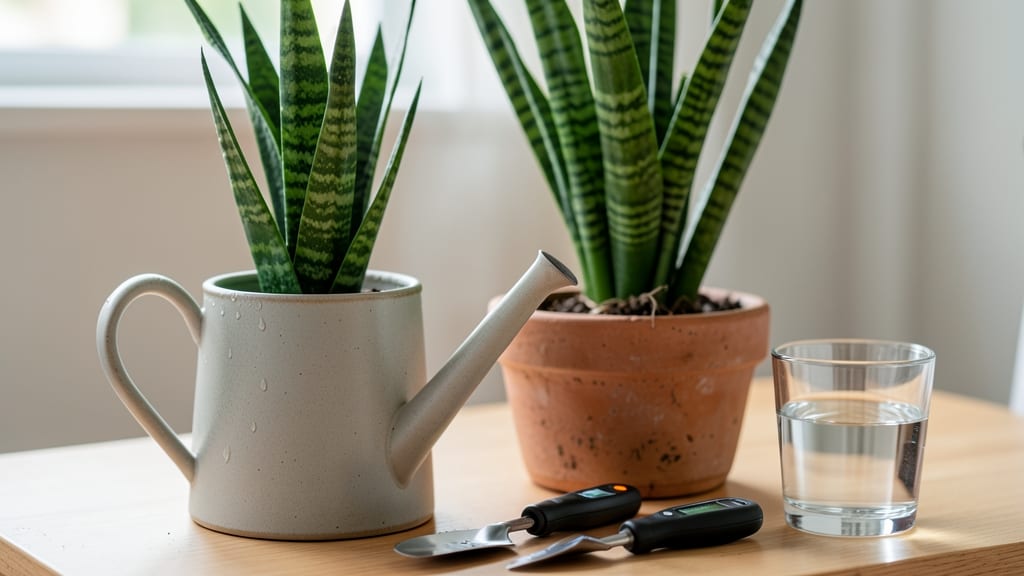
How to keep this plant alive—it’s simpler than you think. My first houseplant died in three weeks—drowned by well-meaning overwatering. 🌱 The good news? Plants don’t need complicated care to survive. They just need light, water, and a little common sense. Most "plant deaths" come from three mistakes: too much water, too little light, or ignoring early warning signs. Let’s fix that.
Start with the right pot—one with drainage holes—and use well-draining soil. Water only when the top inch feels dry, and place your plant where it gets the light it naturally craves.
Overwatering kills more plants than anything else, but underwatering is just as bad. The key is consistency: check soil moisture weekly, and adjust based on your home’s humidity and temperature.
You’ll spot trouble early with these signs: yellowing leaves (overwatering), crispy brown edges (underwatering), or drooping stems (thirst or pests). A simple routine—water, light, and occasional dusting—keeps plants thriving for months. No green thumb required, just attention to detail.
This works for succulents, ferns, or anything in between. The same rules apply whether you’re reviving a sad store-bought plant or nurturing a cutting. Let’s turn those brown thumbs into green successes—one plant at a time.
📚 In This Guide
- What you need
- Instructions
- Tips and common mistakes
- Wrapping up and next steps
What you need
- ● Potted plant – Choose a healthy specimen (e.g., snake plant, pothos, or succulent for beginners).
- ● Appropriate pot – Ensure it has drainage holes (plastic, ceramic, or terracotta). Size should fit the plant’s root system (check the current pot if repotting).
- ● Well-draining soil – Use a mix designed for your plant type (e.g., cactus/succulent mix for drought-tolerant species, or peat-based for tropical plants). Pro tip: Avoid garden soil—it’s too dense!
- ● Watering can or spray bottle – A can with a narrow spout prevents overwatering. For delicate plants, a spray bottle works best.
- ● Light source – Natural light (east/west-facing window) or a grow light (LED or fluorescent, 12–16 hours/day for indoor plants).
- ○ Humidity tray or pebble tray – Optional but helpful for tropical plants (fill with water + pebbles).
- ● Fertilizer (balanced or plant-specific) – Liquid fertilizer (e.g., 10-10-10 NPK ratio) or slow-release granules. Note: Dilute to half-strength for beginners!
- ● Moisture meter – Prevents guesswork (insert into soil to check moisture levels).
- ● Plant food or compost – Boosts nutrients (e.g., worm castings or fish emulsion).
- ● Pruning shears – For trimming dead leaves or leggy growth (sterilize with rubbing alcohol!).
- ● Plant supports (stakes, trellises) – For vining plants like pothos or ivy.
- ● Self-watering planter – Great for travelers or forgetful waterers (e.g., Lechuza or XICAIR systems).
Step-by-Step instructions for plant survival basics
Here’s how to give your plant the care it actually needs—not just what you think it needs.
💧 Step 1: Master the Watering Rhythm
Most plants die from overwatering, not underwatering. Stick your finger 1 inch deep into the soil—if it feels dry, water until moisture runs from the drainage hole. If it’s still damp, wait. I use a spray bottle for delicate plants like ferns and a watering can for thirstier types like succulents. Overwatering suffocates roots, while underwatering causes wilting.
Watch for yellowing leaves—a classic overwatering sign—or crispy brown edges, which mean it’s too dry. Adjust based on your home’s humidity. A bathroom with steamy showers keeps plants happier than a dry bedroom.
☀️ Step 2: Position for Light, Not Guesswork
Check your plant’s label for light needs—bright indirect (like a north window) or direct sun (south-facing). Rotate the pot quarter-turn weekly so growth stays even. Leggy stems? It’s reaching for light. Brown patches? Too much sun. I place my snake plant in a corner where it gets morning sun and shade by noon—perfect for its survival instincts.
Artificial light works too: A grow bulb 6–12 inches above the plant mimics sunlight. Test placement by moving it closer if leaves pale. Avoid drafts—cold windowsills or vents dry out soil faster.
🪴 Step 3: Soil and Pot Matter More Than You Think
Drainage is non-negotiable. If your pot has no holes, drill them—root rot is a silent killer. Use well-draining potting mix (not garden soil). For succulents, blend in perlite to prevent soggy roots. Repot every 1–2 years or when roots circle the pot’s bottom. I upend the plant, gently loosen roots, and trim any gnarled sections before replanting.
Overcrowded roots strangle themselves. If you see roots growing out of drainage holes, it’s time to upgrade the pot size—just 1–2 inches wider is enough.
✂️ Step 4: Prune Like a Pro (Yes, Really)
Dead or yellow leaves? Snip them at the base with clean scissors. This isn’t just cosmetic—it redirects energy to healthy growth. Pinch back leggy stems to encourage bushier plants. For toxic plants like pothos, wear gloves (sap can irritate skin). I prune mine every 3–4 months, and the new growth is always more vibrant.
Never prune more than ⅓ of the plant at once. Stress kills faster than neglect. Wipe leaves with a damp cloth to remove dust—clean leaves absorb light better.
🌱 Step 5: Feed Smart, Not Often
Houseplants don’t need fertilizer like lawns do. Use a balanced liquid fertilizer (like 10-10-10) once every 2–3 months in spring/summer. Dilute to half-strength—too much burns roots. Flush the soil with water monthly to rinse out salt buildup from fertilizers. I swear by fish emulsion for my monstera—it’s gentle and packed with nutrients.
Skip fertilizer in winter when growth slows. Yellow leaves after feeding? You overdid it. Brown edges? Too little. Adjust based on the plant’s reaction, not the schedule.
Tips & tricks for plant survival success
Took me years of trial-and-error to learn these plant-saving secrets—don't make my mistakes.
Soil Science: The 1-inch deep soil check in Step 1 is your best friend. I've learned that finger-testing at the same time daily builds muscle memory—you'll start recognizing when your plant actually needs water. For tropical plants, I press my finger in twice: once at 1 inch for general moisture, and again at 2 inches to check deeper hydration patterns. Remember, most potting mixes dry out from the top down, so surface moisture doesn't always mean the roots are happy.
Light Strategy: That quarter-turn weekly rotation in Step 2 isn't just about even growth—it's about preventing sunburn. I've seen plants develop permanent brown patches from one side getting too much direct sun while the other side stays pale. For north-facing windows, I supplement with a grow bulb on a timer during winter months when sunlight is weaker. The key is consistency: if you rotate, do it the same day every week so your plant doesn't get confused.
Pruning Psychology: The ⅓ rule in Step 4 isn't just about quantity—it's about timing. I've found the best time to prune is right after watering when the plant is fully hydrated. The leaves will be more pliable and you'll get cleaner cuts. For toxic plants, I double up on protection by wearing gloves AND placing a damp paper towel on the surface where I'll be cutting—it catches any stray sap that might irritate skin. And here's what nobody tells you: the water that collects in the saucer after pruning is plant gold—use it to water your other plants!
Fertilizer Finesse: That monthly flush in Step 5 is non-negotiable for long-term health. I've ruined plants by skipping this step, thinking they looked fine. The salt buildup is invisible until it's too late. For my ferns, I flush with distilled water to avoid adding minerals from tap water. And pro tip: if you're using slow-release fertilizer pellets, bury them just below the soil surface—they'll work twice as long without burning roots.
Pro Tips for Keep Plant Alive
- Took me years of trial-and-error to learn these plant-saving secrets—don't make my mistakes.
- Soil Science: The 1-inch deep soil check in Step 1 is your best friend. I've learned that finger-testing at the same ...
- Light Strategy: That quarter-turn weekly rotation in Step 2 isn't just about even growth—it's about preventing sunbur...
Frequently asked questions
Got questions about keeping your leafy friends thriving? You’re not alone—plant care can feel like a mystery at first! Here are answers to the most common concerns, so you can avoid guesswork and enjoy lush, happy plants for years.
How often should I water my plant?
Watering depends on the plant type, pot size, and environment. Most houseplants (like pothos or snake plants) prefer soil to dry out 1–2 inches deep between waterings. Stick your finger in the soil—if it feels dry, it’s time! Overwatering is the #1 killer, so when in doubt, wait.
Why are my plant’s leaves turning yellow?
Yellow leaves usually signal overwatering or poor drainage. Check the roots—if they’re mushy or smell foul, your plant’s drowning. Let the soil dry out and repot in well-draining soil if needed. Underwatering can also cause yellowing, so balance is key!
How much sunlight does my plant really need?
It varies! Low-light plants (like ZZ plants or peace lilies) thrive in bright, indirect light, while succulents and herbs crave 6+ hours of direct sun. Start with 3–4 hours of bright, indirect light and observe—brown spots or stretched leaves mean adjust!
Can I keep a plant alive with just artificial light?
LED grow lights
(12–16 hours/day) work great for low-light plants or winter months. Place the bulb 6–12 inches above the plant and rotate it weekly for even growth. Herbs and seedlings love this setup—just avoid cheap bulbs (they won’t cut it!).
What do I do if pests show up?
Don’t panic! Isolate the plant first, then wipe leaves with a soapy water spray (1 tsp mild soap + 1 quart water). For stubborn pests (like mealybugs), try neem oil or insecticidal soap. Prevention tip: Quarantine new plants for a week!
How do I know if my plant is dying?
Watch for these red flags: wilted, crispy, or black leaves, moldy soil, or no new growth. If the roots are rotted or the stem is mushy, it’s often too late—but trim dead parts and adjust care (light, water, soil) to save the rest!
Wrapping up and next steps
Keeping your plant alive is all about understanding its needs—light, water, soil, and love! 🌱 With the right knowledge and a little patience, you’ll soon see your green friend thriving. Start small, observe closely, and don’t hesitate to adjust care as you learn.
Ready to take the next step? Try your hand at propagating your plant or exploring new species to expand your green family. Every expert was once a beginner—so keep growing, both your plants and your confidence!