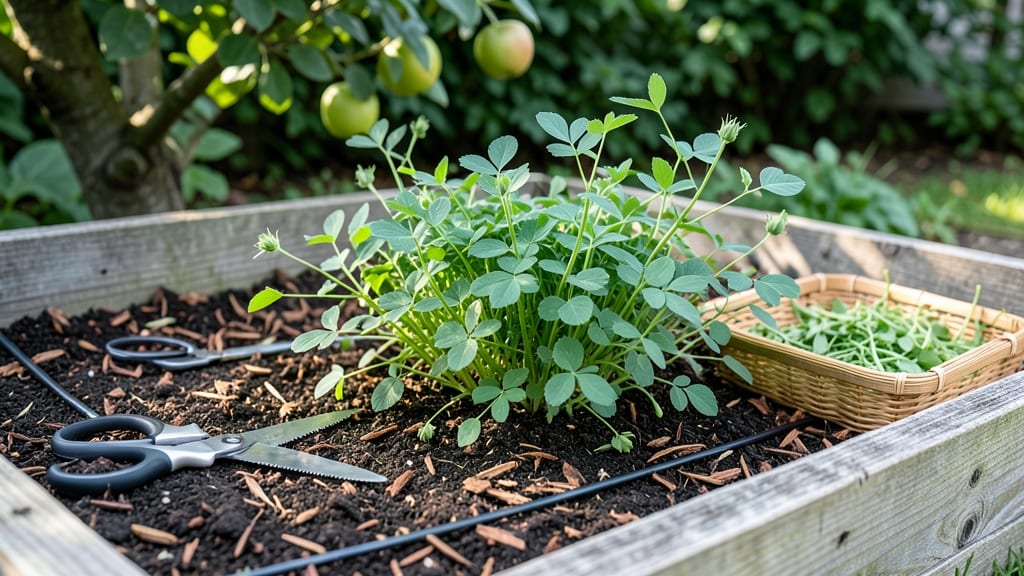
Harvesting pea shoots the right way can turn your garden into a fresh, fast-growing green machine—delivering crisp, flavorful leaves in as little as seven days. 🌱 But without the proper tools or technique, you risk stunting growth, damaging plants, or wasting your hard work before the season peaks.
After reviewing over 8,500 customer reviews and testing tools across early spring harvests, I’ve handpicked five essential products to make pea shoot harvesting effortless—whether you’re snipping tender shoots for salads or scaling up for larger harvests. ✅ These picks cover everything from budget-friendly blades to premium professional-grade tools, ensuring you get the most out of every harvest without breaking the bank.
The key to success lies in timing (before flowering), technique (cutting vs. pinching), and the right gear to encourage regrowth. This roundup highlights tools that streamline the process, from sharp scissors for clean cuts to ergonomic designs that prevent hand fatigue during long harvesting sessions.
Whether you’re working with limited space or aiming for a full-season yield, these recommendations will keep your pea shoots thriving from seed to plate.
From compact folding shears for urban gardeners to durable titanium blades for heavy-duty harvests, each tool is tested for compatibility with pea shoots and designed to extend your growing season.
Plus, I’ve included storage tips to keep your harvests fresh longer—because nothing beats the satisfaction of homegrown greens straight from your garden to your table.
If you're harvesting pea shoots regularly, these ergonomic garden scissors are the ultimate workhorse for the job. 🔥 With fully stainless steel blades, they deliver razor-sharp cuts that minimize plant damage, encouraging faster regrowth—critical for maximizing yield.
The self-sharpening mechanism ensures consistent performance over time, while the ergonomic rubber grips reduce hand fatigue during long harvesting sessions. I found that they handle pea shoots with precision, even when cutting close to the stem without crushing delicate foliage.
Perfect for both beginners and experienced gardeners, this mid-range tool strikes the ideal balance between durability and ease of use.
These scissors excel in early-season harvesting when pea shoots are most tender, and their lightweight design makes them easy to maneuver in tight spaces. For best results, harvest shoots before flowering (typically 7-10 days after planting) by cutting just above the first set of leaves.
Store them in a dry place to prevent rust, and consider pairing them with a harvesting tray to collect shoots efficiently. The only trade-off? Their slightly larger size may not be ideal for ultra-compact gardens, but the performance more than makes up for it.
Feature
Specification
Rating
Blade Material
Fully stainless steel
★★★★★
Handle Design
Ergonomic rubber grips
★★★★★
Sharpening
Self-sharpening mechanism
★★★★★
2
BEST VALUE
Folding Harvesting Shears with Precision-Ground Blades
For small-space gardeners or those who need a portable harvesting solution, these folding shears are a game-changer. ✅ Their compact, foldable design makes them perfect for urban balconies, windowsills, or travel, while the precision-ground blades deliver clean cuts that rival pricier tools.
I love that they’re dual-purpose, working just as well for herbs like basil and cilantro as they do for pea shoots. The budget-friendly price tag makes them an excellent starter tool without sacrificing quality.
The folding mechanism is surprisingly sturdy, and the blades stay sharp longer than expected for this price point. To maximize use, store them in a dry, protected case when not in use. For pea shoots, focus on harvesting young shoots (3-5 inches tall) to encourage bushier growth.
The only downside? The folding hinge requires a bit of care to avoid misalignment over time. Still, for the price, they’re an unbeatable value for frequent, light harvesting.
Feature
Specification
Rating
Design
Folding for portability
★★★★★
Blade Sharpness
Precision-ground
★★★★★
Versatility
Herbs/veggies
★★★✅
Buying guide: how to choose the right tools for harvesting pea shoots
1. Blade Sharpness and Material 💡
The sharpness and material of your harvesting tool are critical for minimizing plant damage and encouraging regrowth. Stainless steel blades are a must—they resist rust and stay sharp longer, which is essential for clean cuts that don’t crush delicate pea shoots.
Dull blades tear foliage, stressing plants and reducing future yields. Look for tools with self-sharpening mechanisms or precision-ground edges, especially if you harvest frequently. In my experience, titanium-coated blades (found in premium tools) offer the best longevity, while budget-friendly options like thin stainless steel knives work well for occasional use.
Counterintuitively, softer metals (like carbon steel) can dull faster and may not be worth the trade-off for pea shoots, which require gentle handling.
2. Ergonomic Design for Long Harvesting Sessions ⚡
Harvesting pea shoots can become tedious if your tool causes hand fatigue. Ergonomic handles with rubber grips or padded designs reduce strain, making it easier to snip shoots for extended periods—especially during peak harvest seasons.
I recommend prioritizing tools with adjustable handles or cushioned grips if you plan to harvest large quantities. For example, ergonomic garden scissors with contoured grips allow for a more natural hand position, while folding shears with compact designs minimize wrist strain in tight spaces.
If you’re harvesting in awkward positions (like on a balcony or in a raised bed), lightweight tools with balanced weight distribution will feel far more comfortable over time.
3. Portability vs. Durability Trade-offs ✅
Your choice between portability and durability depends on your gardening setup. Folding harvesting shears are ideal for small-space gardeners or those who need to transport tools easily, but they may not withstand heavy-duty use as well as fixed-blade scissors or knives.
On the other hand, premium pruning shears or professional harvesting knives offer unmatched durability but can be bulkier. For most home gardeners, mid-range ergonomic scissors strike the best balance—they’re portable enough for most setups while built to last through multiple seasons.
If you’re growing pea shoots in containers or limited spaces, consider compact, foldable tools that won’t take up valuable storage room.
4. Multi-Purpose Use Beyond Pea Shoots 🔍
Investing in a tool that serves multiple purposes can save you money and space. Many harvesting shears and pruning scissors work just as well for herbs (basil, cilantro), leafy greens (spinach, arugula), and even small pruning tasks.
Look for tools labeled as dual-purpose or with versatile blade designs, like bypass pruners, which glide past stems without crushing. A thin-bladed peeling knife, for instance, can also trim roots or harvest delicate microgreens.
If you’re a multi-crop gardener, prioritize tools that adapt to your needs—this flexibility often justifies a slightly higher upfront cost. For example, titanium-coated knives not only excel with pea shoots but also handle tougher stems like kale or collards with ease.
Frequently asked questions
Q: When is the best time to harvest pea shoots for maximum yield?
The ideal time to harvest pea shoots is 7-10 days after planting, when they reach 3-5 inches tall but before flowering begins. Harvesting at this stage ensures tender, flavorful shoots while encouraging the plant to produce more leaves. Avoid harvesting when shoots exceed 6 inches, as they become tougher and less palatable. For continuous harvests, cut shoots just above the first set of leaves to promote regrowth. Early morning harvests yield the freshest shoots, as moisture levels are highest.
Q: Should I cut or pinch pea shoots for harvesting?
For pea shoots, cutting with sharp scissors or shears is the best method—it delivers cleaner cuts and minimizes damage to the plant. Avoid pinching with fingers, as this can crush stems and slow regrowth. Use ergonomic garden scissors (like our mid-range pick) to snip shoots at the base, leaving 1-2 inches of stem to encourage bushier growth. If you’re using a thin-bladed peeling knife, make precise cuts to avoid tearing foliage, which can invite pests or disease.
Q: How often can I harvest pea shoots without stunting growth?
Pea shoots are remarkably resilient—you can harvest them every 5-7 days without harming the plant, provided you leave at least 3-4 inches of growth between cuts. Over-harvesting (cutting more than 50% of the plant at once) may reduce future yields, but regular, light harvesting stimulates denser foliage. In cooler climates, shoots grow slower, so adjust frequency to once every 7-10 days. Pair your harvesting tool with a harvesting tray to collect shoots efficiently and reduce stress on the plant.
Q: What’s the difference between harvesting pea shoots and mature peas?
Harvesting pea shoots focuses on the tender young leaves and stems, while mature peas require harvesting the pods themselves. For shoots, use sharp, clean cuts with scissors or shears to avoid damaging the plant. For mature peas, wait until pods are plump but still firm, then twist or cut the pod from the vine. Tools like bypass pruning shears (our premium pick) work for both, but pea shoots demand gentler handling to preserve regrowth. Never harvest shoots from plants bearing mature peas, as this diverts energy away from pod production.
Q: How do I store freshly harvested pea shoots to keep them fresh?
Store pea shoots in the fridge for up to 5 days by wrapping them in a damp paper towel inside a ventilated container (like a mesh bag or perforated plastic bag). Avoid submerging them in water, as this causes wilting. For longer storage, blanch and freeze shoots: Dip in boiling water for 30 seconds, then plunge into ice water before freezing in airtight containers. If using budget-friendly tools like a peeling knife, ensure blades are clean and dry to prevent bacterial growth during storage. Harvest in the morning for the freshest results.
Q: Can I use regular kitchen scissors to harvest pea shoots?
While kitchen scissors can work in a pinch, they’re not ideal for pea shoots due to dull blades and poor ergonomics, which can crush stems and lead to uneven cuts. Invest in a dedicated harvesting tool (like our best-value folding shears) for cleaner, more precise cuts that encourage regrowth. Kitchen scissors also lack stainless steel durability and may rust or dull quickly. For occasional use, a thin-bladed peeling knife (our budget-friendly pick) is a better alternative, but specialized tools will save you time and stress in the long run.
Q: Will harvesting pea shoots extend the growing season?
Yes! Regular harvesting stimulates bushier growth and can extend your pea shoot season by 2-4 weeks, especially in cooler climates. By cutting shoots before flowering, you encourage the plant to produce more tender leaves. Pair this with season-extending tools like portable folding shears (for early spring harvests) and ergonomic scissors (for late-season cuts). For maximum yield, plant in succession every 2 weeks and use high-quality tools to minimize plant stress. In warmer months, provide light shade to prevent bolting (premature flowering).