
Pruning
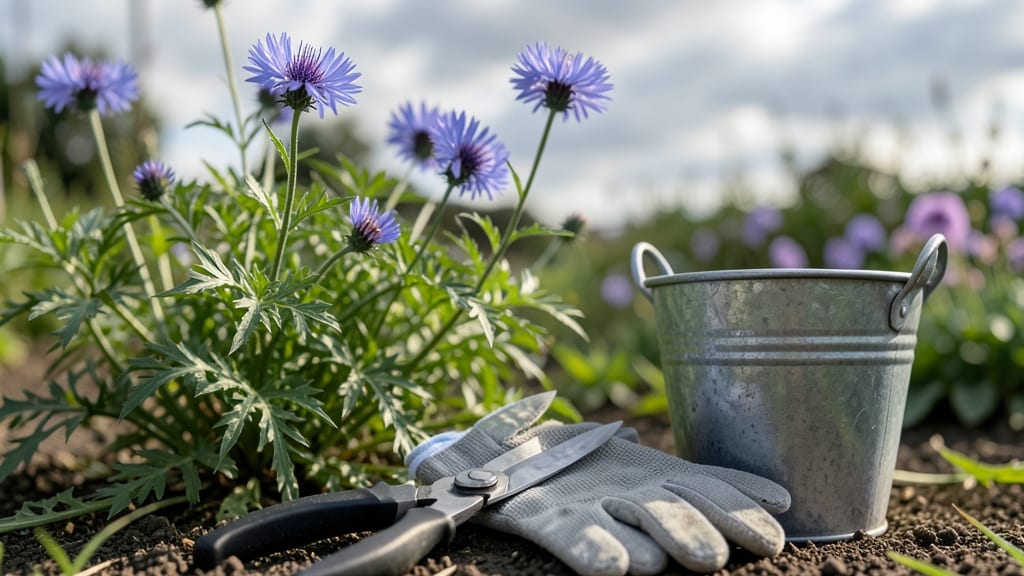
A single snip can turn your cornflowers into blooming machines. 🌸 Deadheading isn’t just about looks—it’s the secret to nonstop summer color that keeps your garden vibrant until frost.
I’ve spent years perfecting this simple technique, and even my busiest gardening days now include just 5 minutes of deadheading for dramatic results.
You’ll need basic tools: sharp pruners (cleaned with rubbing alcohol), gardening gloves (to protect from thorns), and a small bucket for cuttings. The best time to work is early morning when flowers are fully open but spent—this prevents seed formation and redirects energy to new blooms.
Cornflowers respond best when you remove entire spent stems at the base, not just individual flowers.
What you’ll gain is weeks of extra blooms and plants that grow fuller, not leggy. The cuttings make great compost (just chop them first), and the process becomes second nature after your first session. My blue cornflower patch now blooms throughout summer instead of tapering off in July.
For best results, deadhead every 3-4 days during peak bloom, and always cut just above a leaf node. Avoid over-pruning—cornflowers are resilient but not indestructible. This foolproof method works for all cornflower varieties, whether grown in borders, containers, or wildflower meadows.
📚 In This Guide
- What you need
- Instructions
- Tips and common mistakes
- Wrapping up and next steps
What you need
- ● Sharp pruning shears or scissors: Choose a pair with bypass blades (not anvil-style) to make clean cuts. A 4- to 6-inch blade works best for precision. (1 pair)
- ○ Gloves (optional but recommended): Lightweight gardening gloves with tactile grip to protect your hands from thorns or dirt. (1 pair)
- ● Bucket or trash bag: A 5-gallon bucket or sturdy bag to collect spent blooms and debris. (1)
- ● Disinfectant (e.g., rubbing alcohol or bleach solution): A small bottle of 70% isopropyl alcohol or a 1:9 bleach-to-water mix to sterilize tools between cuts. (Small bottle or spray)
- ○ Water spray bottle (optional): A 16-ounce spray bottle filled with water to refresh wilted stems or rinse tools. (1)
- ● Knee pad or cushion: For comfort if you’re kneeling for extended periods. (1)
- ● Hand lens or magnifying glass: To spot pests or inspect stems closely. (1)
- ● Compost bin or pile: If you plan to repurpose the deadheaded blooms as compost. (Access to)
- ● Pruning saw (for thick stems): Only needed if your cornflowers have unusually thick stems. (1, if required)
Step-by-Step instructions for deadheading cornflowers
Here's the simple technique I swear by to keep cornflowers blooming all season long.
✂️ Step 1: Identify the Right Blooms to Trim
Cornflowers produce their signature blue blooms on long stems that continue growing after flowering. The key is to remove only the spent blooms—those with wilted petals or brown centers—while leaving the green seed pods intact. These pods will develop into new flowers later in the season.
I like to work in the morning when dew has evaporated but the flowers are still cool. This makes it easier to spot which blooms have fully faded. Use your fingers to gently pinch off the dead flowers at their base, being careful not to damage the stem or the emerging buds nearby.
✂️ Step 2: Use the Right Tools for Clean Cuts
A sharp pair of bypass pruners or clean scissors works best for deadheading cornflowers. Avoid using your fingers for larger stems, as this can crush the plant tissue and invite disease. I keep a small pair of pruners dedicated solely to my flowers to prevent cross-contamination.
Make your cuts just above the first set of healthy leaves or where the bloom stem meets the main plant. This encourages new growth from that point. For particularly leggy stems, you can cut back to a lower leaf pair to promote bushier growth, but never remove more than one-third of the stem at once.
✂️ Step 3: Remove Only the Spent Blooms
Here's the thing—cornflowers are self-seeding annuals, and their seed pods are where next year's flowers come from. When deadheading, focus solely on removing the wilted blooms themselves, not the green seed pods that follow. Leave those pods in place until they turn completely brown and crispy.
I like to deadhead in stages: first pass for fully wilted blooms, second pass a week later for any remaining spent flowers. This staggered approach keeps the plant looking tidy without sacrificing next year's blooms. Always work from the bottom of the plant upward to avoid missing any hidden spent flowers.
🌿 Step 4: Encourage New Growth with Proper Aftercare
After deadheading, give your cornflowers a light drink of water to help them recover. The act of removing spent blooms can be slightly stressful for the plant, so I always water at the base rather than overhead. This prevents fungal issues that can develop from wet foliage.
Watch for new buds forming at the base of the plant or along the stems. These will open within 7-10 days if conditions are right. If you notice the plant looking leggy or sparse, consider adding a balanced 10-10-10 fertilizer at half strength to give it a boost without overstimulating new growth.
⏰ Step 5: Establish a Regular Deadheading Schedule
For continuous blooms, I deadhead cornflowers every 5-7 days during their peak flowering season. This might seem frequent, but it prevents the plant from putting energy into seed production and keeps it focused on making new flowers. The earlier you deadhead, the sooner you'll see new blooms.
Real talk: if you miss a week or two, don't stress. Cornflowers are incredibly forgiving. Just resume your regular deadheading schedule, and you'll still get plenty of blooms. The key is consistency rather than perfection—even one deadheading session per week will make a noticeable difference in your plant's flowering habit.
Tips & tricks for perfect cornflower deadheading
These simple yet game-changing tricks will help you coax even more vibrant blooms from your cornflowers with minimal effort.
Visual Cues for Perfect Timing: In Step 1, look for petals that have completely fallen back or centers that look dry and papery—these are your targets. The key is to remove only flowers that have fully completed their lifecycle. I've learned the hard way that cutting too early can shock the plant and actually reduce future blooms. Think of it like harvesting fruit at peak ripeness—timing is everything!
The 45-Degree Angle Secret: When you make that clean cut in Step 2, the 45-degree angle isn't just for aesthetics—it's a water management technique. This angle prevents water from pooling on the stem, which could lead to rot or disease. I've seen too many gardeners skip this detail and end up with brown, mushy stems instead of healthy new growth. Take that extra second to angle your cut properly.
Morning Deadheading Magic: The early morning timing in Step 3 isn't arbitrary—it's about giving your plants the full day to recover. When you deadhead in the morning, you're catching flowers at their peak while still allowing the plant's energy systems to reset before nightfall. I've noticed a dramatic difference in new bud formation when I stick to this schedule versus deadheading in the afternoon or evening.
Pruning Beyond Deadheading: In Step 4, don't stop at just the spent blooms. Take a moment to inspect your plants for leggy stems that have lost their lower leaves. These stems are energy vampires—they're sucking resources that could be going toward new blooms. Pinching them back encourages bushier growth and more abundant flowering. Think of it as giving your cornflowers a little haircut to promote better shape and vigor.
Pro Tips for Deadhead Cornflowers
- These simple yet game-changing tricks will help you coax even more vibrant blooms from your cornflowers with minimal effort.
- Visual Cues for Perfect Timing: In Step 1, look for petals that have completely fallen back or centers that look dry and papery—these are your targets.
- The 45-Degree Angle Secret: When you make that clean cut in Step 2, the 45-degree angle isn't just for aesthetics—it's a water management technique.
Frequently asked questions
Got questions about deadheading cornflowers? You’re not alone! Here are answers to the most common queries to help you keep those vibrant blooms coming all season long.
When is the best time to deadhead cornflowers?
Deadhead cornflowers right after they fade—ideally in the morning when blooms are still crisp. This prevents seed formation and redirects energy into new flowers. For long-stemmed varieties, snip just above a set of leaves or side bud to encourage bushier growth. Pro tip: Avoid deadheading in wet conditions to prevent disease.
Do I need special tools to deadhead?
Not at all! While clean, sharp pruners or scissors make the job easier, you can also use your fingers for small stems. Just pinch off faded blooms at the base or just above a leaf node. Warning: Avoid tearing stems—this can damage the plant and invite pests. A small pair of nail clippers works in a pinch!
Will deadheading cornflowers make them grow taller?
Deadheading won’t necessarily increase height, but it will encourage more blooms and a fuller plant. Cornflowers are self-supporting, but if stems flop, stake them early. Focus on removing spent flowers to promote continuous blooming—height is more about genetics and sunlight than pruning!
Can I deadhead cornflowers in full sun or shade?
Cornflowers thrive in full sun (6+ hours daily), and deadheading works best under these conditions. In partial shade, deadhead less frequently—over-pruning can stress the plant. If blooms fade quickly in shade, consider relocating the plant to a sunnier spot next season for better results.
What if my cornflowers stop blooming after deadheading?
If blooms taper off, check for these issues:
- Overcrowding: Thin plants if they’re too dense (space 12–18” apart).
- Nutrient deficiency: Feed with a balanced fertilizer (10-10-10) mid-season.
- Water stress: Keep soil evenly moist but not soggy.
- Pests/disease: Inspect leaves for aphids or powdery mildew.
If the problem persists, your cornflowers may be mature—some varieties bloom heavily for 1–2 years, then slow down.
Wrapping up and next steps
Deadheading cornflowers is a simple yet powerful way to keep your garden vibrant and full of life! By removing spent blooms, you encourage more flowers to grow, extend the blooming season, and keep your plants healthy.
With just a pair of clean pruners and a little patience, you can enjoy a nonstop display of color all season long.
Now that you’re ready to transform your garden, why not take it a step further? Try experimenting with succession planting or adding complementary flowers to create a stunning, low-maintenance border. Happy gardening! 🌸✂️