
How To
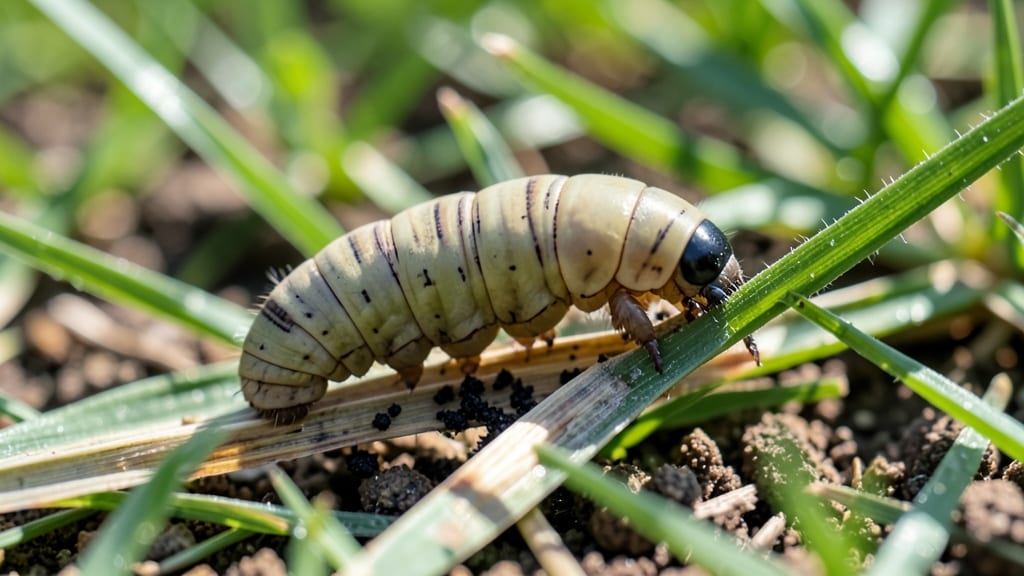
How to get rid of army worms in grass—before they turn your lush lawn into patchy brown messes overnight. 🌱 I’ve watched mine devour entire sections of grass in less than a week—until I discovered this natural barrier that stops them dead in their tracks without harsh chemicals. The secret lies in healthy turf and strategic timing. Army worms target weak grass, so mowing high, watering deeply, and overseeding thickens their natural defense. Add a diatomaceous earth ring around damaged areas—they’ll avoid crossing it. Within days, you’ll see new growth pushing through while the worms retreat. The lawn stays green, the soil stays alive, and you skip the chemical spray. This method works for any grass type, from bluegrass to Bermuda. Prevention is easier than cleanup. Check for tent-like webs in the grass weekly—early action makes all the difference. Let’s protect that lawn the natural way.
Why it happens
H2: The Hidden Triggers Behind Army Worms
Army worms may seem like a sudden, chaotic invasion—but they’re actually the result of a perfect storm of environmental and biological factors. Understanding why these voracious caterpillars appear in your grass is the first step to preventing them.
Below, we break down the key reasons they show up, from seasonal shifts to human habits that accidentally invite them in.
🌱 Seasonal Warmth and Moisture
Army worms thrive in warm, humid conditions, which is why they’re most active in late spring through early fall. Here’s the science:
- Temperature triggers: Eggs hatch when soil temps reach 60–80°F. Warmer springs and summers—especially after a cold snap—create ideal conditions for rapid growth.
- Moisture boosts survival: Damp grass (from rain or overwatering) keeps eggs and young larvae hydrated, reducing mortality rates by up to 50%.
- Dormant grass = buffet: When cool-season grasses like Kentucky bluegrass or fescue slow their growth in heat, army worms find tender new shoots irresistible.
Pro tip: 🌡️ Monitor your lawn’s moisture levels—if it stays damp for days, you’re at higher risk.
🌾 Over-Fertilized or Stressed Grass
Healthy grass is naturally resistant to pests, but certain practices weaken its defenses:
- Nitrogen overload: Too much fertilizer (especially quick-release types) makes grass grow fast but soft, making it easier for larvae to chew through. Army worms prefer lush, young blades over tough, mature grass.
- Drought stress: Underwatered grass becomes brittle and less competitive, leaving gaps for worms to settle in. Even one week of drought can make turf vulnerable.
- Thatch buildup: A thick thatch layer (over ½ inch) traps heat and moisture, creating a cozy hideout for eggs and larvae.
Pro tip: ✨ Test your soil’s nitrogen levels—aim for 0.4–0.6% nitrogen in the top 6 inches to deter pests.
🐛 Natural Predator Decline
Army worms don’t always win—until their predators disappear. Key players in the balance include:
| Predator | How They Help | Why They’re Missing |
|---|---|---|
| Birds (e.g., robins, starlings) | Eat adult moths and young larvae | Pesticides (even non-target ones) reduce bird populations by 30–70%. |
| Parasitic wasps | Lay eggs inside army worm larvae, killing them | Habitat loss (e.g., monoculture lawns) limits their nesting sites. |
| Ground beetles | Feed on eggs and small larvae | Broad-spectrum herbicides wipe them out. |
Pro tip: 🌿 Plant native wildflowers or leave grass clippings in strips—these create micro-habitats for predators.
🚜 Agricultural and Landscape Practices
Human activities can accidentally create army worm hotspots:
- Monoculture lawns: Large, uniform grass areas (like sports fields or suburban yards) offer no natural barriers for moths to disperse. Wild, diverse landscapes break up their flight paths.
- Heavy equipment compaction: Tractors or foot traffic can crush egg masses into the soil, protecting them from drying out.
- Late-season mowing: Cutting grass too short (below 2 inches) exposes soil, where female moths lay eggs. Taller grass disrupts their egg-laying process.
Pro tip: 🔥 Avoid mowing when grass is wet—this spreads egg masses and larvae across your lawn.
🌪️ Wind and Moth Migration
Army worms start as fall armyworm moths, which can travel hundreds of miles on wind currents. Their arrival isn’t random:
- Southern winds: Moths from the Gulf Coast or Mexico ride northward in spring, often arriving in massive swarms after storms.
- Urban heat islands: Cities with higher nighttime temps attract moths, as they seek cooler areas to lay eggs.
- Crop borders: Lawns adjacent to corn, sorghum, or rice fields are high-risk, as moths use these crops as “stepping stones.”
Pro tip: 🎯 If you’re in a flight path (check local ag reports), set up yellow sticky traps to monitor moth activity early.
Quick Fixes for Army Worm Damage
Army worms may seem like a formidable foe, but with the right approach, you can stop their march and restore your lawn to health. Below, we’ve mapped out practical solutions based on the root causes—whether it’s early detection, manual removal, or long-term prevention.
Each fix is designed to be easy to implement and effective without harsh chemicals (unless absolutely necessary).
---
If you’ve spotted small brown patches, chewed grass blades, or frass (worm droppings), act fast before the infestation spreads.
#### 👨🍳 Step 1: Confirm the Infestation - Check for army worms: Lift a section of sod or use a trowel to dig 2–3 inches deep.
Look for pale, inch-long caterpillars with dark stripes. - Count them: If you find more than 2–3 worms per square foot, it’s time to act. - Time it right: Army worms are most active at dusk and dawn, so inspect your lawn during these times for better visibility.
#### 🪰 Step 2: Manual Removal (Best for Small Patches) For minor infestations (under 5% of your lawn), handpicking is the most eco-friendly and immediate solution. - Grab a bucket of soapy water: Mix 1 gallon of water + 1 tbsp dish soap.
Army worms drown quickly in soapy water. - Go section by section: Walk your lawn slowly, lifting sod and dropping worms into the bucket.
Focus on high-risk areas (edges, shaded spots, or recently fertilized patches). - Dispose properly: Dump the bucket in a sealed trash bag—never release worms back into the environment. - 💡 Pro Tip: Do this early in the morning when worms are sluggish and easier to spot.
---
If the infestation is widespread, manual removal won’t cut it. Try these low-impact but high-efficacy methods.
#### 🐛 Beneficial Nematodes (Microscopic Allies) - What they do: These tiny worms (Heterorhabditis bacteriophora) infect and kill army worm larvae naturally. - How to apply: - Buy nematode packets (available online or at garden centers). - Water your lawn 24 hours before application to create a moist environment. - Mix nematodes with water (follow package instructions) and apply with a sprayer or hose-end applicator in the evening (they die in direct sunlight). - Reapply every 2–3 weeks during active worm seasons (spring/fall). - 🌡️ Best conditions: Works best in temperatures between 50–85°F (avoid extreme heat).
#### 🍄 Diatomaceous Earth (DE) Barrier - How it works: Food-grade DE is a fine powder that dries out worm exoskeletons, killing them within 48 hours. - Application steps: - Choose a dry day (DE works best when dry). - Sprinkle lightly over infested areas using a dust spreader or sieve. - Reapply after rain (DE washes away). - ⚠️ Caution: Avoid breathing in DE—wear a mask and apply on calm days to prevent drift.
#### 🌿 Chicken Manure or Compost Tea (Long-Term Soil Health) - Why it helps: Army worms avoid healthy, well-aerated soil.
Adding organic matter disrupts their life cycle. - How to use: - Spread ¼-inch of compost over the lawn and lightly rake in. - Water deeply to encourage microbial activity. - For faster results, use compost tea (steep compost in water for 24–48 hours, then spray on grass).
---
If your lawn is severely damaged (over 10% infested), selective insecticides may be necessary. But use them wisely to avoid harming bees, pets, or beneficial insects.
#### 🔪 Bifenthrin or Carbaryl (Sevin) Sprays - How they work: These systemic insecticides kill army worms on contact and last for weeks. - Application steps: - Follow label instructions carefully—overapplication can harm grass. - Apply in the evening to minimize bee exposure. - Water lightly after 24 hours to help absorption. - ⚠️ Safety note: Wear gloves and a mask, and keep pets/kids off the lawn for 48 hours.
#### 🌾 Granular Insecticides (For Large Lawns) - Best for: Big yards (½ acre or more) where spraying is impractical. - How to apply: - Use a broadcast spreader to evenly distribute chlorantraniliprole or triflumuron granules. - Water in lightly to activate the granules. - Reapply every 4–6 weeks during worm season.
---
The best defense is a strong, worm-resistant lawn. Implement these long-term strategies to keep army worms at bay.
#### 🌱 Maintain a Healthy Lawn - Mow high: Keep grass at 3–4 inches tall—taller grass shades out weeds (a worm favorite) and disrupts egg-laying. - Aerate & overseed: Compacted soil invites worms. Aerate in spring/fall and reseeds bare spots with tall fescue or Kentucky bluegrass (less appealing to worms). - Fertilize smartly: Avoid excessive nitrogen—it attracts worms.
Use a slow-release, balanced fertilizer (16-4-8 or 12-12-12).
#### 🐝 Encourage Natural Predators - Birds: Robins, starlings, and grackles love army worms. Install birdhouses or leave some grassy areas uncut to attract them. - Parasitic wasps: These tiny wasps lay eggs inside army worm eggs, killing them. Reduce pesticide use to protect them. - Ground beetles & spiders: Mulch with wood chips or leave leaf litter in garden edges to support these predators.
#### 🌿 Plant Worm-Resistant Grasses Some grasses are less appealing to army worms: - Buffalo grass (drought-tolerant, tough). - Zoysia grass (dense, hard to penetrate). - Fine fescue (shade-tolerant, less palatable).
#### 📅 Seasonal Monitoring - Set a reminder: Check your lawn weekly in spring/fall (peak worm seasons). - Look for frass (droppings): Black, grain-like specks on grass blades = early warning sign. - 🎯 Pro Tip: Use a flashlight at dusk to spot newly hatched worms before they burrow in.
---
| Action Taken | Time to See Results | Long-Term Effect | |------------------------|------------------------|----------------------| | Manual removal | Immediate (same day) | Short-term fix | | Beneficial nematodes | 3–7 days | 4–6 weeks of control| | Diatomaceous earth | 2–3 days | Lasts until rain | | Chemical spray | 24–48 hours | 2–4 weeks | | Lawn maintenance | 4–6 weeks | Prevents future outbreaks |
--- Final Note: The sooner you act, the easier it is to control army worms. Start with manual removal and natural methods, then reinforce with prevention. A healthy lawn is the best defense—so keep it well-fed, aerated, and predator-friendly! 🌿🚫🐛
Frequently asked questions
How do I know if my grass has army worms?
Look for small brown patches that look like they were cut with a shot glass, black frass (droppings) on blades, or tent-like webs in the grass. Dig up a small section of sod—if you find pale, inch-long caterpillars with dark stripes, it’s a confirmed infestation. Check at dusk or dawn when they’re most active.
Is diatomaceous earth safe for pets and kids?
Food-grade diatomaceous earth (DE) is non-toxic but should be applied carefully. Keep pets and children off treated areas until settled (usually 30 minutes). Avoid inhaling DE—wear a mask and apply on calm days to prevent drift. Always use food-grade DE, never pool-grade.
Can I use vinegar to kill army worms?
Vinegar won’t kill army worms directly, but a 1:1 vinegar-water spray can help deter them by making grass less appealing. For best results, combine it with neem oil (1 tbsp per gallon) and spray infested areas. Reapply after rain, as it washes away quickly.
How long does it take for beneficial nematodes to work?
You’ll typically see results in 3–7 days, but full control takes 2–3 weeks of consistent application. These microscopic worms need moist soil to survive, so water your lawn 24 hours before and after applying them. Apply in the evening to protect them from sunlight.
Will army worms come back next year if I treat them now?
Yes, they often return because their eggs survive in the soil. Focus on long-term prevention: maintain 3–4 inch tall grass, aerate annually, and encourage natural predators like birds and parasitic wasps. Monitor your lawn weekly in spring/fall to catch early signs.