
Pests
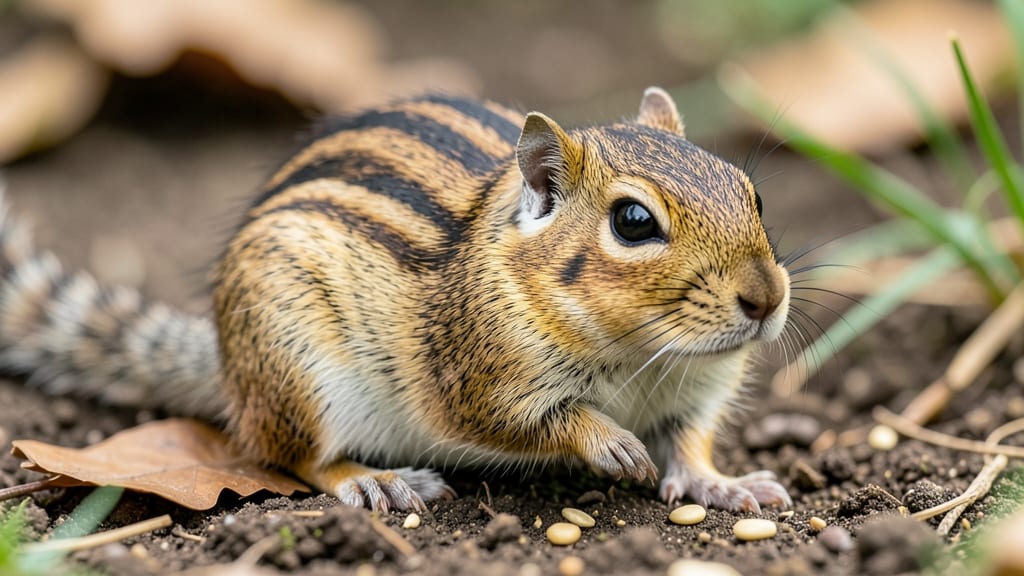
How to get rid of ground squirrels and chipmunks that turned my garden into a maze of tunnels. 🌱 The digging destroyed my vegetable beds, and no repellent spray worked—until I tried a cast iron barrier that finally stopped them in their tracks.
Most people rely on traps or poison, but those create bigger problems—either they don’t work long-term, or they harm other wildlife. The solution? A simple, humane physical barrier that squirrels and chipmunks can’t dig through, no matter how hard they try. It’s permanent, chemical-free, and works immediately once installed.
You’ll see results within 24 hours—no more disappearing seeds, no more gnawed plants, and no more burrows appearing overnight. The barrier goes in fast, requires minimal tools, and blends into your garden so it’s barely noticeable. Plus, it keeps out other pests like gophers and moles.
Works in any yard size, from small raised beds to full garden plots. Here’s how to install it without breaking the bank or the backs of these persistent little diggers.
Root Causes of Rodent Invaders
Ground squirrels and chipmunks may seem like harmless backyard critters, but when they start digging under patios, nibbling on garden plants, or scurrying through your yard, they become a nuisance. Understanding why these rodents show up—and why they stick around—is the first step to stopping them for good.
Let’s break down the science behind their behavior and how your property might be unintentionally inviting them in.
Ground squirrels and chipmunks are omnivorous foragers, meaning they’ll eat almost anything—seeds, fruits, vegetables, insects, and even small eggs or carrion. If your yard resembles an all-you-can-eat buffet, they’ll keep coming back. Here’s what’s likely attracting them:
- Unsecured trash or compost bins: Food scraps, pet food, or even fallen fruit from trees create easy meals. These rodents have excellent memories and will return to reliable food sources.
- Mature trees and overgrown gardens: Nuts, seeds, and bulbs (like tulips or daffodils) buried in the soil are a goldmine. Chipmunks, in particular, are known to cache food—digging holes to store thousands of seeds for winter.
- Bird feeders: Spilled seeds on the ground beneath feeders are a magnet. Squirrels and chipmunks will dig under decks or patios to reach them.
- Pet food left outdoors: Even small amounts of kibble or treats can sustain a colony. These rodents can detect food from up to 100 feet away using their keen sense of smell.
Pro Tip: 💡 Store trash in metal bins with tight-fitting lids, and remove fallen fruit or nuts from your yard regularly. If you have bird feeders, place them at least 5 feet from trees or structures to reduce ground access.
These rodents don’t just dig for food—they’re also looking for safe, dry places to nest. Your property might unknowingly offer the perfect hideout:
- Loose soil, mulch, or leaf litter: Ground squirrels burrow 3–6 feet deep, creating complex tunnel systems. If your yard has soft, undisturbed soil (especially near fences or foundations), they’ll dig in.
- Gaps in foundations, decks, or sheds: Even a quarter-inch gap is enough for a chipmunk to squeeze through. They’ll nest in wall voids, under porches, or inside woodpiles.
- Rock piles or dense shrubbery: These provide cover from predators (like owls or domestic cats) and insulation from weather. A pile of rocks or overgrown bushes can become a squirrel’s apartment complex.
- Unused or poorly sealed structures: Old sheds, dog houses, or even the space beneath a raised garden bed can become prime real estate.
Pro Tip: 🔥 Seal gaps around your home with steel wool or hardware cloth (not caulk—rodents can chew through it!). Remove leaf litter, mulch piles, and rock stacks to eliminate nesting spots.
When natural habitats—like meadows, forests, or prairie lands—are developed, rodents like ground squirrels and chipmunks are forced to relocate. If your neighborhood has recently seen construction or landscaping changes, these animals may be migrating into your yard as their last resort.
- Loss of natural cover: As fields are paved or forests are cleared, rodents seek out urban and suburban areas with grassy lawns, gardens, and structures to replace their lost homes.
- Water source availability: If your yard has a garden hose leak, birdbath, or pet water bowl, it becomes a watering hole for thirsty rodents. They’ll dig near these sources to stay hydrated.
- Lack of predators: In wild settings, hawks, coyotes, and snakes keep rodent populations in check. But in suburban areas, these predators are often absent, allowing squirrels and chipmunks to reproduce unchecked.
Pro Tip: 🌡️ If you live near a construction site or undeveloped land, be extra vigilant. Use motion-activated lights or sprinklers to deter nocturnal digging near water sources.
Rodents don’t invade randomly—their behavior is tied to seasonal cycles and reproduction. Understanding these patterns helps explain why they suddenly appear in force:
- Spring mating season: Ground squirrels and chipmunks become highly aggressive in early spring as males search for mates. This leads to increased digging (for burrows) and food hoarding (to prepare for litters).
- Summer food storage: Chipmunks, in particular, cache thousands of seeds in summer to survive winter. They’ll dig dozens of shallow holes in your lawn or garden beds.
- Fall hibernation prep: Ground squirrels gather food and fatten up before hibernating. If your yard has acorns, nuts, or seeds, they’ll dig relentlessly to stockpile.
- Winter survival instincts: Even in cold months, rodents stay active (especially chipmunks) and will dig through snow to reach buried food or shelter.
Pro Tip: ✨ Time your pest control efforts around these seasons. For example, block burrow entrances in early spring to prevent mating and nesting, and remove seed sources in late summer to reduce caching.
Once you identify which of these factors are at play in your yard, you can target the root cause—not just the symptoms. The next step? Learn how to create a rodent-proof barrier that stops digging before it starts.
Practical Ways to Outsmart Rodents
Now that you understand why ground squirrels and chipmunks are invading your space, it’s time to take action! These clever critters are persistent, but with the right strategies, you can reclaim your yard, garden, and home.
Below, we’ve mapped out targeted solutions based on the root causes—whether it’s burrowing, foraging, or nesting—and paired them with prevention tips to keep them away for good.
Ground squirrels and chipmunks dig tunnels that weaken foundations, uproot plants, and create unsightly mounds. Here’s how to seal off their access points and discourage new digging:
🛠️ Install a Physical Barrier (Best for Long-Term Defense)
- Cast iron or heavy-duty hardware cloth (¼-inch mesh) is the gold standard—these rodents can’t chew through it, and they’ll avoid areas where they can’t dig.
- How to do it:
- Bury the mesh at least 12 inches deep around garden beds, patios, or play areas.
- Extend it 6–12 inches above ground to block jumping squirrels.
- For existing burrows, fill them with water or gravel before covering with mesh to prevent reinvasion.
- Pro tip: 💡 Use galvanized steel if you’re near wood (it won’t rust) or concrete edging for high-traffic areas.
🕳️ Trap & Relocate (Humane but Effective)
- Live traps (like the Havahart model) work best for chipmunks and smaller squirrels.
- Bait with:
- Peanut butter (sticky and hard to steal)
- Sunflower seeds
- Nuts or dried fruit
- Where to place traps:
- Near burrow entrances or along their travel paths.
- Check traps every 4–6 hours to avoid stressing the animal.
- Relocation rules: 🌡️ Never release them near your home—check local laws (some states require permits).
Aim for wooded areas at least 5 miles away.
🌱 Deter with Natural Repellents
- Castor oil-based repellents (like Bonide Repels) disrupt their scent trails.
- Spicy sprays (hot pepper + water) can deter them from digging near plants.
- Predator urine (fox or coyote) mimics danger—reapply every few weeks.
These rodents are opportunistic eaters, and even small crumbs can lure them in. Eliminate their buffet with these steps:
🗑️ Clean Up Like a Pro
- Store food properly:
- Use metal or thick plastic bins with tight lids for pet food, birdseed, and compost.
- Avoid leaving fruit on trees or fallen nuts—pick them up daily.
- Secure trash cans:
- Use bungee cords or locks to keep lids shut.
- Rinse cans weekly to remove odors.
🌿 Modify Your Landscape
- Remove brush piles, leaf litter, and wood stacks—these create hiding spots.
- Plant rodent-resistant flora:
- Daffodils, marigolds, or lavender (strong scents deter them).
- Avoid tulips, lettuce, or corn (their favorites).
- Elevate bird feeders (use a pole mount) to prevent squirrels from digging below.
🍎 Use Decoys & Distractions
- Fake owls or snakes (move them weekly so rodents don’t get wise).
- Scatter gravel or sharp-edged rocks near entry points—they hate the texture.
- Plant a "sacrificial garden" (like sunflowers) far from your home to lure them away.
Once inside, these pests can chew wires, nest in walls, or contaminate food. Inspect and fortify your home’s weak spots:
🔧 Check for Gaps & Cracks
- Common entry points:
- Vents, chimneys, and gaps around pipes (use steel wool + caulk).
- Gaps in siding or roof overhangs (install expansion foam or mesh).
- Foundation cracks (seal with concrete patching compound).
- Pro tip: ✨ Use a flashlight at dusk—rodents are most active then, and you’ll spot entry points easier.
🚪 Install Door Sweeps & Mesh
- Replace weather stripping with metal mesh (they can’t gnaw through it).
- Add a door sweep to block gaps under exterior doors.
- Cover crawl space vents with hardware cloth.
🕵️ Monitor & Maintain
- Set up motion-activated lights near entry points—they dislike bright flashes.
- Regularly check attics and basements for chewed wires, droppings, or nests.
- Keep basements dry (rodents seek moisture)—fix leaks promptly.
The best offense is a good defense. Once you’ve evicted them, keep them from returning with these low-maintenance strategies:
| Action | How to Do It | Frequency |
|---|---|---|
| Inspect property | Walk your yard monthly for new burrows. | Every 4 weeks |
| Trim vegetation | Keep bushes/shrubs 3+ feet from home. | Seasonally |
| Store firewood | Pile 20+ feet from your house. | Year-round |
| Refresh repellents | Reapply castor oil or sprays every 2 weeks. | Bi-weekly |
| Check traps | Even if you think they’re gone, spot-check for signs. | Weekly |
Final Thought: 🎯 Consistency is key—rodents learn quickly. Combine barriers, food removal, and habitat changes for the best results. If the problem persists, consider professional pest control for a guaranteed solution.
Now go forth and reclaim your space—rodent-free! 🚀
Frequently asked questions
Are cast iron barriers safe for plants and pets?
Yes! Cast iron barriers are completely safe for plants, pets, and wildlife. Unlike chemical repellents, they don't harm ecosystems or poison animals. The rigid material simply creates an impenetrable physical barrier that squirrels and chipmunks avoid without any risk to your garden's health or your pets' safety.
How long does it take for a cast iron barrier to work?
You'll typically see results within 24-48 hours. These rodents are smart but avoid areas where they can't dig or nest. Once they realize the barrier is permanent, they'll move on to easier targets. For complete eradication, combine the barrier with removing food sources and sealing entry points.
Can I use hardware cloth instead of cast iron?
Hardware cloth (with ¼-inch mesh) works just as well and is often more affordable. The key is using a durable material these rodents can't chew through. Bury it at least 12 inches deep and extend it above ground to prevent jumping. Galvanized steel is ideal for longevity.
What if the squirrels return after I install the barrier?
This usually means they've found another food source or haven't been properly relocated. Double-check for:
- Unsecured trash/compost bins
- Fallen fruit or nuts
- Gaps in fences or foundations Reinforce these weak points and consider adding predator decoys (like fake owls) to enhance deterrence.
Will this work for moles and gophers too?
Yes! The same cast iron or hardware cloth barrier effectively stops moles and gophers from tunneling. These pests can't dig through the material either. For extra protection, extend the barrier 18 inches deep since moles create deeper tunnel systems than squirrels and chipmunks.