
Pests
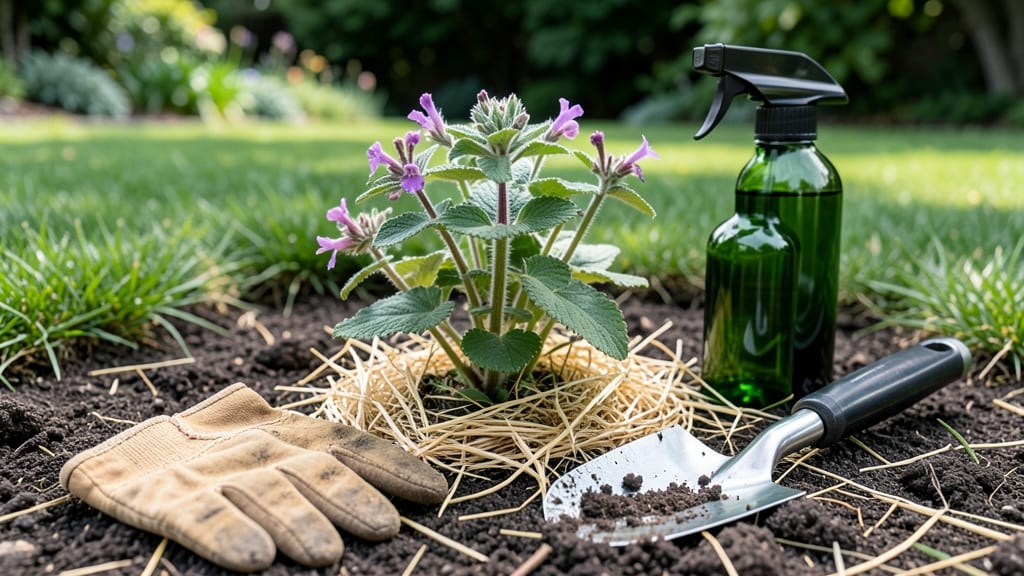
How to get rid of henbit deadnettle—this fuzzy, purple weed can turn your garden into a springtime nightmare if left unchecked. I’ve battled this stubborn invader for years, and the boiling water-vinegar combo finally gave me the upper hand—without harming my prized perennials. The secret? Targeted heat and acidity that kills the roots on contact. Most "natural" weed killers fail because they’re too weak or require multiple applications. This method works in one treatment, even on dense patches. You’ll see wilting within hours, and the soil stays weed-free for weeks. Start with fresh growth (before seeds set) and apply the mix on a dry, sunny day. The vinegar breaks down the plant’s cell walls while the boiling water seals the deal. Just avoid windy days—you don’t want to scorch nearby plants. For stubborn regrowth, repeat every 7–10 days until the area stays clear. The key is persistence, not brute force. Your garden will thank you.
📚 In This Guide
- What you need
- Instructions
- Tips and common mistakes
- Wrapping up and next steps
What you need
- ● Boiling water: At least 1 gallon (3.8 liters) per treatment area (e.g., 1–2 gallons for small patches, 3–5 for larger sections). Use freshly boiled water (no additives).
- ● White vinegar: 1 cup (8 oz / 240 mL) of 5–10% acetic acid (higher concentration = stronger effect). Avoid "craft" or diluted vinegars.
- ● Spray bottle or watering can: A 1-gallon capacity with a fine-mist nozzle for even coverage. A garden sprayer works too!
- ● Protective gear: Gloves (nitrile or rubber to avoid skin irritation).
- ● Long sleeves/pants (vinegar can sting open skin).
- ○ Eye protection (optional but wise—splashing is inevitable!).
- ● Garden tools: Hoe or hand trowel (for pre-treatment to loosen soil).
- ● Rake (to clear debris after treatment).
- ● Dish soap: 1 tsp (5 mL) mixed into the vinegar solution to break surface tension and improve absorption. 🧼
- ● Salt: ½ cup (120 mL) (for stubborn patches—use sparingly to avoid soil damage).
- ● Garden hose with shutoff valve: For quick rinsing of tools or accidental spills.
- ● Markers or flags: To tag treated areas and avoid re-treating.
- ● Compost bin: For removing dead weeds (they’ll decompose safely!).
Step-by-step instructions for eliminating henbit deadnettle
Here's the method I've used to clear stubborn patches of this invasive weed in just a few hours.
🌱 Step 1: Identify and Prepare the Target Area
Henbit deadnettle thrives in lawns, gardens, and even cracks in pavement. Before treating, confirm you're dealing with this specific weed—it has square stems and purple flowers that resemble mint. Scan the entire area to spot all plants, even small ones, since roots can regenerate from fragments.
Clear any debris from the surface. This isn't about aesthetics—it's about ensuring the boiling water and vinegar can make direct contact with the plant's leaves and stems. I like to work on a dry day when the ground isn't saturated, as moisture can dilute the effectiveness of our treatment.
💧 Step 2: Apply Boiling Water Directly to the Plants
Fill a large water kettle or pot with water and bring it to a full boil. Carry it carefully to your work area—henbit deadnettle regrows quickly, so timing matters. Pour the boiling water directly onto the plants, aiming for the base where the stem meets the soil. You'll need about 1 cup per plant for mature specimens.
Watch as the leaves wilt instantly and the stems turn brown. This isn't just killing the foliage—it's also searing the roots and preventing regrowth from underground. Work in sections, treating one area completely before moving to the next. The heat shock disrupts the plant's cellular structure, making it impossible to recover.
☀️ Step 3: Follow Up with Vinegar Treatment
After the area has cooled completely (about 30 minutes1 part white vinegar to 1 part water. Add a few drops of dish soap to help the mixture cling to the plants. Pour this solution directly over the treated area, focusing on where the plants were growing.
The vinegar works by breaking down the plant's cell walls, effectively "cooking" any remaining roots or seeds in the soil. You'll notice the soil surface darken slightly as the vinegar penetrates. This step is crucial for preventing regrowth—henbit deadnettle has a deep root system that can sprout new shoots if left untreated.
✂️ Step 4: Monitor and Retreat if Necessary
Check the treated area after 24 hours. Healthy grass or soil should be visible where the weeds once stood, and any remaining brown patches will disappear within a few days. If you spot any green regrowth, it means you missed a small plant or seed. Simply repeat the boiling water treatment on the new sprouts.
For large infestations, you may need to retreat every 3-5 days until the area is completely clear. The key is persistence—henbit deadnettle is aggressive, but this method works when applied consistently. Once the area is clear, overseed with grass or apply mulch to prevent new weeds from taking hold.
Tips & tricks for eliminating henbit deadnettle
Between us, this weed is stubborn—but these tricks will help you clear it faster and more effectively than ever before.
Precision in Identification: Henbit deadnettle often hides among other weeds, so I always do a close inspection before treating. Look for the square stems (unlike round stems of other weeds) and those distinctive purple flowers that resemble mint. Grab a small hand lens if needed—you'll spot more plants this way, preventing regrowth from missed fragments.
Timing Secret: The 30-minute cooling period between boiling water and vinegar application is critical. This gives the heat time to fully penetrate the roots while preventing the vinegar from evaporating too quickly. I've learned the hard way that rushing this step can leave behind dormant seeds that sprout later.
Equipment Upgrade: A small handheld watering can with a narrow spout works better than a kettle for applying boiling water. It gives you more control and lets you target individual plants without wasting water. For large areas, a turkey baster or squeeze bottle with boiling water works too—just be careful with the heat!
Follow-Up Strategy: When you check after 24 hours and see any green regrowth, don't just pull it—repeat the boiling water treatment immediately. The vinegar alone won't kill new sprouts, and these weeds grow fast. I keep a small pot of water on my patio for quick reheating if I spot new growth during the day.
Pro Tips for Get Rid Of Henbit Deadnettle
- Between us, this weed is stubborn—but these tricks will help you clear it faster and more effectively than ever before.
- Precision in Identification: Henbit deadnettle often hides among other weeds, so I always do a close inspection befor...
- Timing Secret: The 30-minute cooling period between boiling water and vinegar application is critical. This gives the...
Frequently asked questions
about getting rid of henbit deadnettle—plus quick fixes for common roadblocks!Is henbit deadnettle toxic to pets or humans?
Henbit deadnettle (Lamium amplexicaule) is generally non-toxic to humans and pets, but its sap can irritate sensitive skin. While not deadly, it’s best to remove it to prevent overgrowth. Always wash hands after handling, and keep pets from chewing large amounts to avoid mild stomach upset.
How long does it take for vinegar or boiling water to kill henbit?
With the right concentration (20-30% vinegar or boiling water), henbit dies within 24-48 hours. For faster results, reapply if regrowth appears. Boiling water works instantly on contact, while vinegar may need 2-3 days for full absorption. Pro tip: Apply on a sunny day to maximize effectiveness!
Will henbit grow back after treatment?
Yes, but not if you’re consistent! Henbit has deep roots, so repeat treatments every 1-2 weeks for 3-4 cycles to starve the plant. For stubborn patches, combine vinegar with dish soap (1 tsp per gallon) to break surface tension and improve absorption.
Can I use this method in rain or cold weather?
No—wait for dry, sunny conditions! Rain washes away vinegar/boiling water before it works, and cold temps slow plant absorption. Aim for 60°F+ (15°C+) and treat in the late morning to avoid evaporation. If rain is forecasted, reschedule!
What’s a natural alternative if vinegar isn’t effective?
Try these henbit-killing hacks:
- Salt solution: Dissolve 2 cups salt in 1 gallon water—spray directly (avoid desirable plants!).
- Corn gluten meal: Apply as a pre-emergent in early spring to prevent seeds from sprouting.
- Manual removal: Pull weeds before flowering (when roots are shallow) and dispose in sealed bags.
Wrapping up and next steps
Say goodbye to those pesky henbit deadnettle patches for good! 🌱 With the right mix of boiling water and vinegar, you’ve got a fast, natural, and budget-friendly solution at your fingertips.
Consistency is key—just a few hours of effort now means fewer weeds later, leaving your garden or lawn looking fresh and thriving.
Ready to reclaim your space? Grab your supplies, roll up your sleeves, and tackle those weeds today—your future self (and your plants!) will thank you! 🌿✨