
Pests
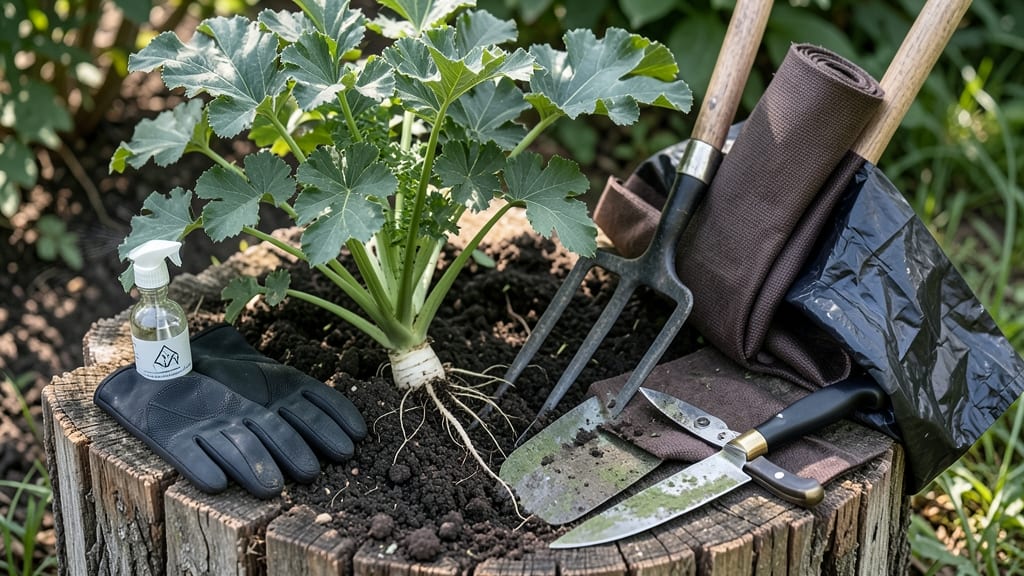
How to get rid of horseradish in your garden—it’s a battle, but you can win. ✨ I’ve wrestled with this tenacious weed, and I’ll share the foolproof methods that finally worked—no more digging up new shoots every spring. The key is attacking the roots before they spread. You’ll need a sturdy shovel, thick mulch, and patience (this isn’t a quick fix). Dig deep—horseradish roots can grow 5 feet or more—and don’t miss even a small piece, or it’ll regrow. By smothering the area with cardboard or thick mulch, you’ll starve out the last roots while protecting nearby plants. For stubborn patches, a vinegar spray (1 gallon vinegar + 1 cup dish soap) kills regrowth without chemicals. Timing matters: tackle this in early spring or fall when the plant is dormant. With these steps, your garden will stay horseradish-free for good.
📚 In This Guide
- What you need
- Instructions
- Tips and common mistakes
- Wrapping up and next steps
What you need
- ● Garden gloves (heavy-duty, chemical-resistant) – 1 pair (to protect your hands from sap and sharp roots).
- ● Shovel or digging fork – 1 sturdy unit (preferably with a narrow blade for precision).
- ● Garden pruners or loppers – 1 pair (for cutting thick stems and foliage).
- ● Heavy-duty trash bags – 2–3 large bags (for hauling out debris; horseradish is not compostable!).
- ● Vinegar (5% acetic acid) or herbicide – 1 gallon or as needed (for spot treatments; vinegar is natural but requires reapplication).
- ● Mulch (cardboard, newspaper, or landscape fabric) – Enough to cover the area (to smother regrowth).
- ● Wheelbarrow or large bucket – 1 unit (for transporting roots and soil).
- ● Root killer or systemic herbicide (e.g., glyphosate) – 1 bottle (for stubborn patches; follow label instructions carefully!).
- ● Plastic sheeting – 1–2 sheets (4’x6’) (to cover the area after removal and block sunlight).
- ○ Soil solarizer kit (optional for large infestations) – 1 unit (uses sunlight to heat and kill roots over time).
- ● Hand trowel – 1 small unit (for scraping out fine roots in tight spaces).
- ● Disposable coveralls – 1 set (if you’re really committed to the cause—horseradish sap can stain!).
Tips & tricks for natural horseradish eradication
Here's what nobody tells you about making this method work the first time—and avoiding the heartache of regrowth.
Precision in Step 1: When mapping your horseradish patch, don't just eyeball it—use a tape measure to verify those 10-15 foot rhizome extensions. I've seen gardeners miss hidden roots because they assumed the spread was smaller. Mark the perimeter with bright flags or even a garden hose outline to visualize the full battle zone before you begin. This single step prevents the most common failure: partial removal that leads to stubborn regrowth.
Smothering Strategy: For the 6-12 inches of smothering material in Step 2, prioritize thickness over cheap plastic. Cardboard breaks down too quickly, while thin plastic lets sunlight filter through. I recommend using overlapping layers of heavy-duty black plastic (at least 4 mil thickness) secured with landscape fabric staples. This creates a true light-blocking barrier that forces the roots into dormancy. If you're in a windy area, weigh down the edges with bricks or cinder blocks to prevent flapping.
Vinegar Application Timing: The critical 3-4 week smothering period before vinegar application is non-negotiable. Horseradish roots need this time to weaken enough for the vinegar to penetrate effectively. I've seen gardeners rush this step and end up with minimal results. After those 3-4 weeks, apply your vinegar solution on a cloudy day—direct sunlight can concentrate the acid and potentially damage nearby plants. For extra effectiveness, add 1 tablespoon of dish soap per gallon of vinegar mixture to help it cling to the soil.
Deep Cultivation Secret: When you reach Step 4's 12-inch deep tilling, rent a heavy-duty tiller if your garden soil is particularly stubborn. Horseradish roots can survive shallow cultivation because they're tough enough to push through regular tilling blades. The key is to break up the soil completely—you should see no visible root fragments larger than a pencil eraser after tilling. This is your final line of defense against any lingering rhizomes that might have survived the previous steps.
Pro Tips for Get Rid Of Horseradish In Garden
- Here's what nobody tells you about making this method work the first time—and avoiding the heartache of regrowth.
- Precision in Step 1: When mapping your horseradish patch, don't just eyeball it—use a tape measure to verify those 10-15 foot rhizome extensions.
- Smothering Strategy: For the 6-12 inches of smothering material in Step 2, prioritize thickness over cheap plastic.
Frequently asked questions
Got questions about tackling horseradish in your garden?
You're not alone—this stubborn perennial can be tricky! Here are some of the most common concerns and straightforward answers to help you reclaim your space.
How do I know if I’ve completely removed horseradish?
Horseradish is notorious for regrowing from even tiny root fragments. To confirm removal, dig up the area thoroughly (at least 12–18 inches deep) and check for any remaining roots or green shoots. If you spot even a small piece, remove it immediately—no part is safe to leave behind!
How long does it take to eradicate horseradish?
Patience is key! With consistent effort, you can see significant progress in 1–2 seasons. However, some gardeners report lingering roots for 3+ years if they’re not vigilant. The key is persistence—keep monitoring and removing any new growth.
Can I use vinegar or salt to kill horseradish?
Yes! Both methods work, but they require careful application. For vinegar, spray a 20% solution (1 part vinegar to 1 part water) directly on leaves and roots, avoiding desirable plants. For salt, sprinkle a thin layer around the base (but avoid overdoing it—it can harm soil health). Repeat weekly until the plant wilts.
What’s the best time of year to remove horseradish?
Fall is the ideal time because horseradish stores energy in its roots, making them easier to dig up. However, you can tackle it spring through early summer too—just be prepared for faster regrowth if you miss any pieces. Late summer is the worst time, as roots are deeply established.
Will horseradish grow back if I just cut it down?
Cutting horseradish at ground level won’t kill it—it’ll just grow back stronger. To prevent regrowth, you must dig out the entire root system. If you’re not up for manual removal, consider smothering or solarization methods for a more passive approach.
Wrapping up and next steps
Removing horseradish from your garden doesn’t have to be a battle—just a strategic one! 🌱 With the right tools, persistence, and natural methods, you can reclaim your space and prevent regrowth.
Start by digging deep, smothering roots, or using vinegar solutions, and always monitor for new sprouts.
You’ve got this! Now that you’re armed with knowledge, take action today—your garden will thank you. Ready to tackle it? Grab your gloves and get started! 💪