
Pests
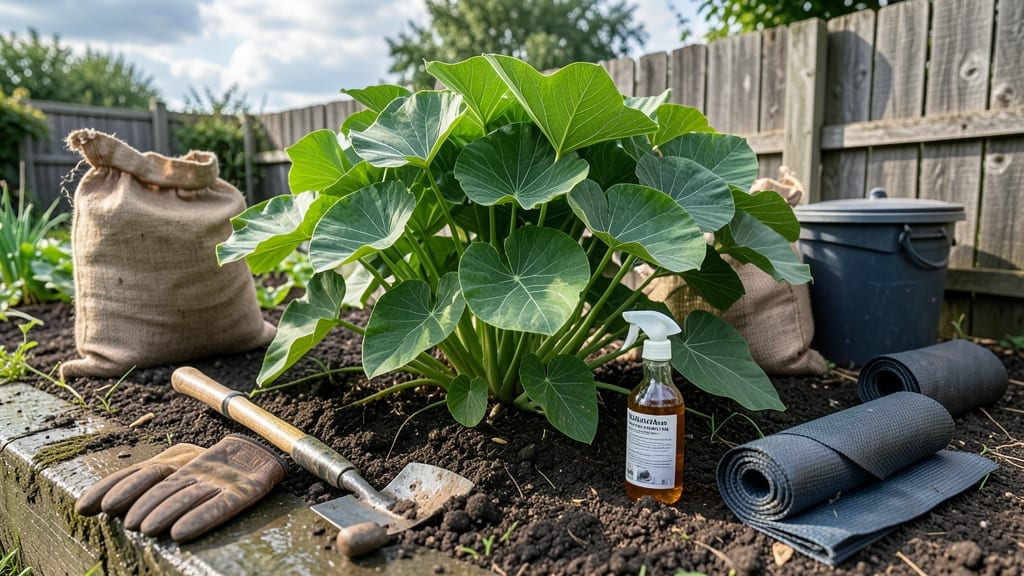
How to get rid of Italian arum—that garden villain you didn’t ask for. 🌱 That stubborn, speckled leaf pattern? It’s not just pretty—it’s a tenacious weed that spreads faster than you can say "permanent removal." I’ve wrestled with it for years, and the neem oil barrier method finally gave me the upper hand against its relentless regrowth.
The secret isn’t brute force—it’s a two-step attack: first, dig out the roots (yes, even the tiny ones), then smother the soil with a neem oil solution that chokes what you can’t see.
Most people quit after the first pull, but this method works because it targets the entire plant system, not just the leaves you can grab.
By the time you’re done, your garden will stay clean for 6-12 months—no more surprise sprouts popping up where you least expect them. The best part? You’re not just removing the problem; you’re preventing it from coming back with a natural, chemical-free approach that won’t harm your other plants.
Whether you’ve got a small patch or a full-blown invasion, this technique scales. Let’s get rid of that Italian arum for good—starting with the roots and ending with a weed-free zone that stays that way.
📚 In This Guide
- What you need
- Instructions
- Tips and common mistakes
- Wrapping up and next steps
What you need
- ● Neem oil (100% cold-pressed, organic preferred) – 1 gallon (for a standard application area of ~1,000 sq. ft.)
- ○ Horticultural oil or vegetable oil (optional, for better adhesion) – ¼ cup per gallon of neem oil
- ● Dish soap (unscented, biodegradable) – 1 tsp per gallon of neem oil (helps as an emulsifier)
- ● Water (warm, not hot) – 1 gallon (for mixing the solution)
- ● Sprayer (hose-end or backpack) – Adjustable nozzle (cone or flat-fan spray pattern)
- ● Gloves (nitrile or rubber) – 1 pair (neem oil can irritate skin)
- ● Protective eyewear – 1 pair (safety first!)
- ○ Trash bags or heavy-duty plastic sheeting – Enough to cover the area (optional, for containment)
- ● Garden fork or shovel – For digging out roots (if manual removal is part of your plan)
- ● Garden hose with shutoff nozzle – For rinsing tools and skin after application
- ○ Vinegar (white, 5% acetic acid) – 1 cup per gallon of water (optional pre-treatment to weaken the plant)
- ○ Corn gluten meal (organic pre-emergent) – 20 lbs per 1,000 sq. ft. (optional, for long-term prevention)
- ● Label or spray marker – To mark treated areas (avoid reapplying neem oil to edible plants)
Step-by-step instructions for eliminating Italian arum with neem oil
This method works where others fail—no harsh chemicals, just a simple neem oil barrier that chokes out regrowth.
🌱 Step 1: Identify and Clear Existing Growth
Start by locating all Italian arum plants in your yard. Look for the distinctive heart-shaped leaves and the red berries that appear later in the season. Grab a pair of heavy-duty gloves and a shovel—Italian arum has toxic sap that can irritate skin. Cut the plants at ground level with pruning shears or a sharp spade, then dig up the roots if possible. You’ll see thick, fibrous roots spreading underground, sometimes up to 12 inches deep. Pull as much as you can, but don’t stress over any remaining fragments—the neem oil will handle what’s left.
Pile the uprooted plants in a trash bag and seal it tightly. Italian arum spreads aggressively, so never compost these plants. Place the bag in your outdoor trash bin immediately to prevent accidental spread. If you’re dealing with a large infestation, consider wearing a mask to avoid inhaling any spores or sap.
💧 Step 2: Apply Neem Oil Barrier to the Soil
Neem oil disrupts the growth hormones of Italian arum, preventing regrowth when applied correctly. Mix 1 tablespoon of neem oil with 1 quart of water in a spray bottle or pump sprayer. Add ½ teaspoon of mild liquid soap to help the solution stick to the soil and plants. Shake well before each use—neem oil separates easily. Focus on the areas where you removed the plants, spraying the soil in a 6-inch radius around the root zone. You’ll want the soil to look damp but not soggy—overwatering can dilute the neem oil’s effectiveness.
Reapply the neem oil mixture once every 2 weeks for the first 3 months. Consistency is key here. If rain washes away the treatment, repeat the application immediately. Avoid spraying on windy days—the neem oil can drift and harm nearby plants or beneficial insects like bees. If you notice any new shoots emerging, treat them immediately with the neem solution to stop their growth.
☀️ Step 3: Create a Physical Barrier to Prevent Spread
Italian arum spreads through underground rhizomes, so a physical barrier helps contain the problem. Lay down black plastic landscape fabric over the treated area, securing it with landscape staples or rocks. The fabric blocks sunlight, which Italian arum needs to regrow. Extend the barrier at least 12 inches beyond the visible infestation to catch any hidden roots. For larger areas, overlap the edges of the fabric by 4 inches to prevent gaps where new shoots could emerge.
Leave the fabric in place for at least 6 months, checking monthly for any signs of new growth. If you see a shoot poking through, pull it immediately and reapply the neem oil to the spot. After 6 months, lift the fabric and inspect the soil. If no new growth appears, you can remove the barrier. If you still spot Italian arum, extend the treatment for another 3 months. Over time, the combination of neem oil and sunlight deprivation will weaken the plant’s ability to regrow.
✂️ Step 4: Monitor and Maintain the Area
Even after the initial treatment, Italian arum can persist if conditions are right. Keep an eye on the area for at least a year—this plant is stubborn. Remove any new shoots as soon as you see them, and reapply the neem oil to the soil around the spot. If the infestation was severe, consider replacing the soil in the treated area with fresh topsoil and planting competitive ground covers like clover or creeping thyme, which Italian arum struggles to invade.
Regularly aerate the soil in the treated area to prevent compaction, which can encourage Italian arum to spread. If you’re planting new vegetation, choose native species that thrive in your climate—they’ll outcompete Italian arum naturally. Over time, your yard will reclaim the space, and the neem oil barrier will have done its job.
Tips & tricks for eliminating Italian arum
These simple strategies will help you tackle Italian arum infestations more effectively and avoid common pitfalls that can lead to regrowth.
Safety First: Italian arum's sap is toxic and can cause skin irritation, so always wear heavy-duty gloves when handling the plants. I learned this the hard way after dealing with a rash from just a few minutes of exposure. If you're working with a large infestation, consider wearing a mask too—those red berries contain irritating compounds that can affect your respiratory system.
Root Removal Strategy: While digging up every last root can feel overwhelming, focus on removing as much as possible—especially the thicker, fibrous ones. The neem oil will handle any remaining fragments, but removing the bulk reduces the work your treatment has to do. For stubborn roots, try using a garden fork to loosen the soil and make extraction easier. I've found that working the soil when it's slightly damp makes this process much simpler.
Neem Oil Application Precision: When mixing your neem oil solution, focus on a 6-inch radius around where the plants were growing. This ensures you're targeting the root zones where new shoots might emerge. After application, avoid watering the area for at least 24 hours—this gives the neem oil time to work without being washed away. I keep a spray bottle handy to treat any new shoots immediately, which has saved me from multiple rounds of regrowth.
Barrier Installation Tips: When laying down your black plastic landscape fabric, make sure to overlap the edges by at least 4 inches to prevent any gaps where new shoots could emerge. For larger areas, consider cutting the fabric into manageable sections and securing them with rocks or landscape staples. I've found that leaving a small flap of fabric extending beyond the treated area creates a natural barrier that catches any wandering roots.
Pro Tips for Get Rid Of Italian Arum
- These simple strategies will help you tackle Italian arum infestations more effectively and avoid common pitfalls that can lead to regrowth.
- Safety First: Italian arum's sap is toxic and can cause skin irritation, so always wear heavy-duty gloves when handling the plants.
- Root Removal Strategy: While digging up every last root can feel overwhelming, focus on removing as much as possible—especially the thicker, fibrous ones.
Frequently asked questions
How long does neem oil take to kill Italian arum?
The effects of neem oil aren’t instant—it disrupts the plant’s growth cycle over time. With consistent application (every 2–3 weeks), you’ll typically see significant decline within 4–6 weeks. For full eradication, patience is key, especially for mature plants. Monitor regrowth and reapply as needed.
Will neem oil harm my lawn or garden plants?
Neem oil is generally safe for most plants when used correctly, but it’s best to test a small area first. Avoid spraying flowering plants or beneficial insects (like bees) during application. Stick to the 1–2% concentration and apply in the evening to minimize exposure to pollinators.
What if the Italian arum keeps coming back after treatment?
Persistent regrowth often means you’re missing roots or rhizomes. Dig up the area 1–2 weeks after treatment to check for remaining fragments. If the plant returns, increase application frequency or consider a vinegar + dish soap spray for stubborn spots.
Can I use neem oil in extreme heat or cold?
Neem oil works best in moderate temperatures (60–85°F). Avoid applying when temps are below 50°F or above 90°F, as extreme conditions can reduce its effectiveness. Early morning or late evening applications help maintain optimal conditions for absorption.
Are there non-toxic alternatives if I don’t have neem oil?
Yes! Try these DIY options:
- Boiling water: Pour directly on the base (avoid desired plants).
- Salt + vinegar: Mix 1 cup salt + 1 gallon vinegar, spray on leaves (reapply weekly).
- Corn gluten meal: Sprinkle around the plant to prevent seed germination.
Wrapping up and next steps
Getting rid of Italian arum (or Dracunculus vulgaris) can feel like a tough battle, but with the right approach—like using a neem oil barrier—you can stop regrowth permanently. Stay patient, follow safety precautions, and soon your garden will be free of these pesky invaders. 🌱
Now that you’re armed with knowledge, take action today! Start by clearing the area, applying your neem oil treatment, and monitoring for new shoots. If you spot any, tackle them early to keep your garden thriving. You’ve got this!