
Pests
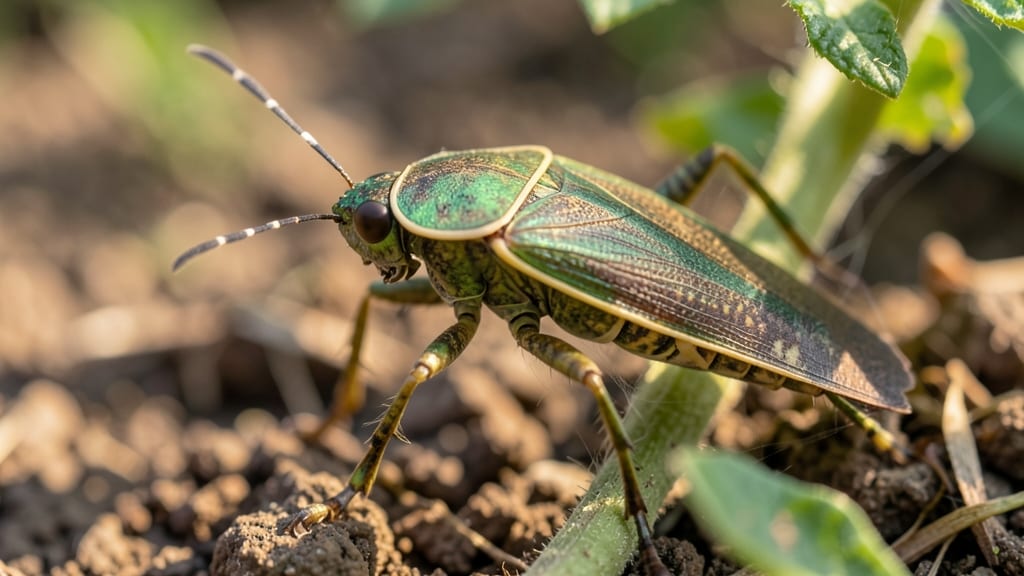
How to get rid of leaf-footed bugs naturally—your garden’s secret weapon is diatomaceous earth. 🌿 These pests chew holes in leaves and lay eggs that hatch into even more damage—until you create a barrier that smothers them at every stage. The beauty of diatomaceous earth is its simplicity: just sprinkle it around plants, and it works as a natural insecticide. It’s safe for your garden, non-toxic to pets (when used correctly), and targets eggs and larvae before they cause real harm. No harsh chemicals, just a fine powder that disrupts their waxy outer layer. You’ll see results within days as eggs fail to hatch and larvae dry out. The powder stays effective until rain washes it away, so reapply after watering or heavy dew. It’s a game-changer for organic gardeners tired of losing plants to these pests. Works for tomatoes, peppers, beans, and other leafy favorites. Let’s stop these bugs before they ruin your harvest!
📚 In This Guide
- What you need
- Instructions
- Tips and common mistakes
- Wrapping up and next steps
What you need
- ● Food-grade diatomaceous earth (DE): 1–2 pounds (look for 99.9% pure, non-toxic DE with a fine, powdery texture)
- ● Fine-mesh dust mask: 1–2 masks (N95 or higher rating to protect lungs from DE particles)
- ● Gloves: 1 pair (nitrile or rubber gloves to avoid skin irritation)
- ○ Duster or handheld duster: 1 unit (optional but helpful for even application)
- ● Fine brush or paintbrush: 1 small brush (for precise application in cracks or crevices)
- ● Spray bottle with water: 1 bottle (for dampening DE if needed in humid conditions)
- ● Garden hose with nozzle: 1 unit (for larger outdoor areas, apply DE as a fine spray)
- ● Fan or leaf blower: 1 unit (helps disperse DE evenly in windy conditions)
- ● Plastic sheeting: 1–2 sheets (to protect plants or surfaces during application)
- ● Labeling tape or markers: 1 roll/set (to mark treated areas and avoid reapplication)
- ● Choose a dry, calm day (DE works best when dry and undisturbed by wind or rain).
- ● Wear protective gear before handling DE—it’s safe but can irritate skin and lungs.
- ● Remove pets and children from the treatment area until DE settles (24–48 hours).
Step-by-Step instructions for creating a diatomaceous earth barrier against leaf footed bugs
Here's the foolproof method I use to suffocate leaf footed bugs at every life stage—no chemicals, just natural smothering power.
🌿 Step 1: Identify and Prepare the Treatment Zones
Start by scanning your plants for leaf footed bug activity. Look for small brown eggs on the undersides of leaves and greenish larvae hiding along stems. Focus on areas where you've seen damage—chewed leaves, sap trails, or webbing. Use a flashlight to spot hidden eggs in shady spots.
I like to work in the early morning when bugs are less active. Remove any heavily infested leaves by pinching them off at the stem. Drop these into a sealed bag for disposal—don't compost them, as eggs can survive. Wear gloves if you're sensitive to plant oils, as some leaves can irritate skin.
💧 Step 2: Apply Diatomaceous Earth as a Dry Barrier
Use food-grade diatomaceous earth (about 1 cup per 10 square feet of treatment area). Sprinkle it lightly but evenly over the soil surface around your plants, focusing on a 2-inch band around the base. This creates an invisible shield that smothers crawling bugs and their eggs when they cross it.
Don't apply directly to leaves—it can dry them out and isn't as effective against flying adults. For container plants, sprinkle a thin layer around the rim of each pot. The key is to keep it dry; if it gets wet, the effectiveness drops dramatically. Reapply after rain or watering.
☀️ Step 3: Create a Protective Leaf Dusting (Optional for Heavy Infestations)
For stubborn infestations, mix 1 tablespoon diatomaceous earth with 1 quart of water in a spray bottle. Shake well and apply a very light mist to the undersides of leaves where eggs are most likely to hide. The goal is to coat the leaves lightly—too much can clog stomata and harm plants.
I only recommend this for severe cases because it requires more frequent reapplication. Test on a few leaves first to ensure your plants tolerate the treatment. Avoid spraying in direct sunlight, as the water can cause leaf scorch. Early morning or late evening applications work best.
⏰ Step 4: Maintain the Barrier and Monitor Results
Check your treatment zones every 3-5 days for new egg clusters or larvae. Reapply diatomaceous earth as needed, especially after rain. You'll see results within 5-7 days—look for fewer chewed leaves and no new webbing. The bugs will avoid crossing your barrier or will die when they do.
For long-term prevention, apply a fresh layer every 2-4 weeks during growing season. Store extra diatomaceous earth in a sealed container away from moisture. If you notice new damage after treatment, inspect for other pests—leaf footed bugs aren't the only culprits that chew leaves.
✂️ Step 5: Prevent Future Infestations with Cultural Controls
Healthy plants are less attractive to leaf footed bugs. Water at the base of plants rather than overhead to reduce egg-laying opportunities. Remove garden debris and fallen leaves where bugs hide. I also recommend companion planting with marigolds or basil, which repel many garden pests naturally.
Rotate your diatomaceous earth treatment areas if possible—don't apply to the same spots continuously. This prevents bugs from developing resistance (though it's rare with diatomaceous earth). In severe cases, combine with neem oil sprays for added protection during peak bug seasons.
Tips & tricks for effective diatomaceous earth applications
Real talk: This method works, but only if you nail the details. Here's what I've learned from treating my garden over the years—mistakes I made so you don't have to.
Timing Secret: Early morning is your best window for Step 1 because leaf footed bugs are least active then. I've found that treating between 6-8 AM means you'll catch any newly hatched larvae before they start feeding. The cooler temperatures also help the diatomaceous earth adhere better to plant surfaces, making it more effective at smothering eggs and larvae when they cross the barrier.
Application Technique: When applying the dry barrier in Step 2, use a fine-mesh sieve or a flour sifter to create an even, dust-like layer. This prevents clumping and ensures maximum surface area coverage. I've ruined treatments before by just pouring it directly—it creates uneven coverage where bugs can slip through. For container plants, focus that 2-inch band right at the soil line where larvae typically enter the pot.
Leaf Dusting Caution: If you opt for the leaf dusting in Step 3, remember that less is more. A light coating is all you need—think of it like dusting powder rather than a heavy spray. I learned this the hard way when my tomatoes developed brown spots from too much diatomaceous earth. Test on a few leaves first, and always apply in the early morning or evening to prevent leaf scorch from the sun's intensity.
Monitoring Strategy: The 3-5 day check-ins in Step 4 are non-negotiable. I've seen infestations rebound when people wait too long between treatments. Keep a small notebook by your garden gate to track which areas you've treated and when. If you notice new damage after 5-7 days, it could mean either resistant bugs (unlikely) or another pest entirely—always double-check before reapplying.
Pro Tips for Get Rid Of Leaf Footed Bugs Naturally
- Real talk: This method works, but only if you nail the details.
- Timing Secret: Early morning is your best window for Step 1 because leaf footed bugs are least active then.
- Application Technique: When applying the dry barrier in Step 2, use a fine-mesh sieve or a flour sifter to create an even, dust-like layer.
Frequently asked questions
Got questions about tackling leaf-footed bugs naturally? You’re not alone—these sneaky pests can be tricky! Here are some of the most common concerns and straightforward answers to help you stay ahead of the game.
How fast can I expect to see results with natural methods like diatomaceous earth?
Results vary, but you’ll often notice a decline in leaf-footed bug activity within 3–7 days of applying diatomaceous earth (DE). Since DE works by dehydrating bugs on contact, consistency is key—reapply after rain or every 1–2 weeks for best results. For eggs and larvae, monitor plants closely for 2–3 weeks to ensure no new hatchlings appear.
Is there a specific time of year to treat leaf-footed bugs?
Leaf-footed bugs are most active during warm months (spring through fall), especially when temperatures rise above 70°F (21°C). Start treatments early spring to prevent infestations, and continue through late summer when adults lay eggs. Early morning or late evening applications are ideal—bugs are less active and DE sticks better to plants.
Will natural methods harm my plants or beneficial insects like bees?
Diatomaceous earth is plant-safe when used correctly, but it can irritate sensitive plants if overapplied. For bees and other pollinators, avoid spraying DE directly on flowers. Focus on leaves, stems, and soil where bugs hide. If you’re concerned, opt for food-grade DE and reapply only when bees aren’t active (e.g., early morning).
What should I do if leaf-footed bugs keep coming back after treatment?
Persistent bugs often mean new eggs or larvae hatching undetected. Try these fixes:
- Increase frequency: Reapply DE every 5–7 days during peak season.
- Check hidden spots: Inspect undersides of leaves, cracks in bark, and mulch.
- Combine methods: Add neem oil or kaolin clay to disrupt their life cycle.
- Remove debris: Clear yard clutter where they overwinter.
Can I use diatomaceous earth indoors if I bring it in accidentally?
Yes, but sparingly! DE is non-toxic to humans and pets but can be drying to skin or lungs if inhaled in large amounts. Wear a dust mask when applying and avoid sweeping up clouds of dust. If accidentally tracked inside, vacuum thoroughly and wipe surfaces. Store DE in a sealed container away from kids and pets.
Wrapping up and next steps
Getting rid of leaf-footed bugs naturally doesn’t have to be a battle—just a strategic diatomaceous earth (DE) defense! 🌿 With the right tools and a little consistency, you can smother eggs, larvae, and adults without harsh chemicals.
Remember, prevention is your best weapon, so stay vigilant and reapply DE as needed.
Ready to reclaim your garden? Start by treating high-risk areas today—your plants (and sanity!) will thank you. For extra peace of mind, check out our FAQs to tackle lingering questions and keep those pests at bay for good.