
Pests
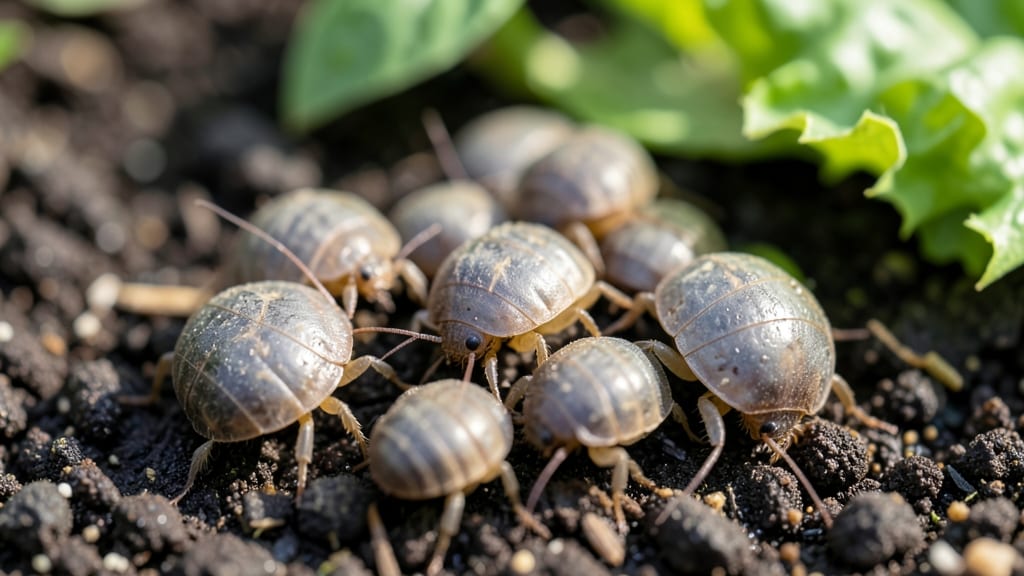
How to get rid of pill bugs in your garden naturally—without harsh chemicals or traps. 🌿 They’re not pests—they’re nature’s cleanup crew, but too many can mean soggy mulch and chewed seedlings. The good news? A simple diatomaceous earth barrier works in hours, and it’s safer than soap sprays or traps.
First, understand why they’re here: damp, shady spots with decaying leaves create their perfect hideout. They’ll gather under boards, rocks, or thick mulch, especially after rain. The fix is twofold—dry out their favorite spots and block their entry points without harming them (or your soil).
Sprinkle a thin layer of food-grade diatomaceous earth along garden edges, mulch lines, and under containers. Within 24 hours, it dehydrates their soft bodies while leaving worms and bees untouched. Pair this with coarse sand or crushed eggshells for extra grit they’ll avoid.
For prevention, keep mulch 2–3 inches deep (not piled thick), avoid overwatering, and add gravel pathways to discourage their migration. Your garden stays clean, and these helpful critters move on to less hospitable spots.
Root Causes of Pill Bug Invasion
Pill bugs—those tiny, armor-plated critters—might seem harmless, but their sudden appearance in your garden can be frustrating. Understanding why they’re showing up in the first place is the first step to keeping them under control.
These crustacean relatives (yes, they’re technically crabs!) thrive in specific conditions, and their presence is rarely random. Let’s break down the key factors that turn your garden into their perfect hideout.
Pill bugs are extremely sensitive to dryness—they need high humidity to survive. Without it, they dehydrate quickly. That’s why you’ll often spot them:
- Under mulch or leaf litter: Thick layers trap moisture, creating a damp microclimate they love.
- Near water sources: Leaky hoses, dripping sprinklers, or poorly drained soil turn your garden into a pill bug paradise.
- In shaded, damp areas: Sunlight evaporates moisture, but shade keeps soil consistently wet—ideal for them.
Actionable insight: If your garden stays soggy for days after rain or irrigation, pill bugs will move in en masse. They’re not just visitors; they’re colonizers of wet zones.
Pill bugs are detritivores, meaning they feast on decomposing plant material. Their diet includes:
- Dead leaves and twigs
- Mulch (especially wood chips)
- Compost piles (if not turned frequently)
- Fungal growth on soil or wood
When your garden has too much organic debris, pill bugs see it as an all-you-can-eat restaurant. Pro tip: While they do help break down waste, an overabundance of food signals them to stay and reproduce.
Think of it like ants in a sugar spill—they won’t leave until the supply runs out.
Pill bugs are not fast or aggressive—they rely on hiding to avoid threats. They seek out:
- Dark, enclosed spaces: Under rocks, bricks, or garden debris.
- Tight soil crevices: Loose, aerated soil is their enemy; compacted dirt offers safe burrows.
- Plants with dense foliage: Hostas, ferns, and ground covers provide natural cover.
If your garden has lots of hiding spots and little natural predation (like birds or frogs), pill bugs will thrive. Fun fact: They roll into a ball when threatened—but that’s only a temporary escape. Remove their hideouts, and they’ll seek drier pastures.
Pill bugs are cold-hardy but hate heat. Their population spikes when:
- Spring rains arrive: Sudden moisture wakes them up from dormancy.
- Fall temperatures drop: They seek shelter before winter, often moving indoors (yes, they can invade basements!).
- Drought follows heavy rain: They scatter in search of moisture, spreading to new areas.
If you’ve noticed more pill bugs after a specific weather event (like a week of downpours), that’s no coincidence. Their lifecycle is directly tied to water availability. 💡 Pro tip: Mulch that retains too much moisture can trigger outbreaks—opt for well-draining options like straw or pine needles instead.
Now that you know why pill bugs are crashing your garden party, the next step is fixing the conditions that attract them. The good news? Most solutions are simple, natural, and fast—like setting up a diatomaceous earth barrier (which we’ll cover next!).
Natural Fixes for Pill Bug Problems
Pill bugs may seem harmless, but their presence can still be a nuisance in your garden—especially when they munch on your plants or leave behind unsightly trails. The good news? You can tackle them naturally without harsh chemicals.
Below are targeted solutions based on the most common causes of pill bug invasions, along with prevention tips to keep them away for good.
Pill bugs thrive in moist, shaded areas with plenty of organic matter. If your garden has thick mulch, decaying leaves, or poorly draining soil, they’ll stick around like uninvited guests.
How to Fix It:
- 🔥 Remove Excess Mulch – Thin out thick layers of mulch (especially wood chips) to reduce hiding spots. Aim for 2–3 inches—enough to retain moisture but not so much that it becomes a buffet for pill bugs.
- 🍳 Improve Drainage – If your soil stays soggy after rain, amend it with compost or sand to help water drain faster. Pill bugs despise dry conditions!
- 👨🍳 Rake Up Debris – Clear away fallen leaves, rotting wood, and plant waste from garden beds. Store compost in a well-sealed bin to prevent pill bugs from moving in.
💡 Pro Tip: If you have potted plants, elevate them on saucers to prevent pill bugs from crawling up from the ground.
Pill bugs love feasting on decaying plant matter, but they’ll also nibble on young seedlings, roots, and tender leaves—especially in overgrown gardens.
How to Fix It:
- ⏰ Prune Regularly – Keep plants trimmed and remove dead or dying foliage promptly. Less debris = fewer pill bug snacks.
- 🥘 Choose Resistant Plants – Some plants, like lavender, rosemary, and marigolds, naturally repel pill bugs. Interplant them among your veggies for a double defense.
- 🔪 Handpick & Relocate – If you spot clusters of pill bugs, gently scoop them up (they roll into balls when threatened) and release them far from your garden—preferably in a sunny, dry area where they won’t survive.
🌡️ Heat Trick: Place a shallow tray of beer or soapy water near infested areas. Pill bugs are attracted to the liquid but drown quickly—no chemicals needed!
Pill bugs multiply rapidly in wet conditions. If your garden stays damp for long periods, they’ll reproduce faster than you can say “slug problem.”
How to Fix It:
- ☀️ Increase Sun Exposure – Trim back dense foliage to let more sunlight reach the soil. Pill bugs avoid dry, sunny spots.
- 🎯 Use Diatomaceous Earth (DE) – Sprinkle food-grade DE around plant bases and garden edges. It’s a natural powder that dehydrates pill bugs in hours. Reapply after rain.
- 🌿 Add Gravel or Sand Barriers – Create a 1-inch border of coarse sand or gravel around garden beds. Pill bugs hate crawling over rough textures.
✨ Bonus: Sprinkle crushed eggshells or coffee grounds near entry points—they create an unpleasant barrier pill bugs avoid.
Pill bugs sneak in through gaps in fences, pot drainage holes, or even tiny cracks in patio stones. A few simple fixes can block their access.
How to Fix It:
- 🔧 Caulk Gaps – Seal cracks in wooden fences, raised beds, and outdoor furniture with silicone caulk.
- 🪟 Check Pot Drains – If pill bugs are crawling into pots, plug drainage holes with copper mesh (they dislike the texture) or use saucers with a slight lip to keep them out.
- 🚪 Inspect Mulch Borders – If mulch touches the ground, pill bugs can tunnel underneath. Pull mulch away slightly from garden edges to create a barrier.
💡 Pro Tip: Place copper tape around the base of pots or garden beds—pill bugs get a mild shock from the metal and avoid crossing it!
Once you’ve addressed the immediate issue, prevent future infestations with these habits:
- 📊 Rotate Plantings – Avoid planting the same crops in the same spot year after year.
Pill bugs target weak or stressed plants. - 💪 Encourage Predators – Attract birds, frogs, and ground beetles (natural pill bug predators) by adding a small water feature or native plants like dill or fennel. - 🌿 Mulch Smartly – Use straw or pine needles instead of wood chips—they break down faster and provide fewer hiding spots. - 🌡️ Monitor Moisture – Water early in the day so soil dries faster.
Pill bugs thrive in constant dampness.
By combining habitat disruption, natural repellents, and smart garden maintenance, you can eliminate pill bugs without chemicals—and keep your garden thriving! 🌿✨
Frequently asked questions
Are pill bugs actually harmful to my garden?
Pill bugs are generally helpful—they break down decomposing plant matter and improve soil health. However, in large numbers they can create unsightly trails, chew young seedlings, and make mulch look messy. They’re not true pests, but their presence signals excess moisture or organic debris in your garden.
How long does diatomaceous earth take to work on pill bugs?
Food-grade diatomaceous earth (DE) starts working within 24 hours—pill bugs dehydrate when it comes into contact with their soft bodies. For best results, reapply after rain or watering since DE loses effectiveness when wet. A light dusting around plant bases and garden edges creates an instant barrier.
Will pill bugs come back after I treat my garden?
Yes, if the conditions that attracted them remain. Pill bugs return to damp, shaded areas with plenty of organic matter. To prevent recurrence, improve drainage, reduce mulch thickness (2–3 inches max), and remove hiding spots like leaf litter. Regular maintenance keeps them from settling in long-term.
Can I use coffee grounds to repel pill bugs?
Sprinkle used coffee grounds around garden edges—they create an unpleasant barrier pill bugs avoid. The caffeine and acidity disrupt their habitat. For extra protection, mix with crushed eggshells or gravel, which they dislike crawling over. Reapply after rain for continued effectiveness.
Why do pill bugs gather under my patio or deck?
They seek moisture and shelter—patio gaps, cracks, or shaded areas under decks provide perfect hiding spots. Pill bugs also move indoors during cool, damp weather (like fall). Seal entry points with silicone caulk and keep the area dry. A dehumidifier or gravel barrier can deter them from settling.