
Pests
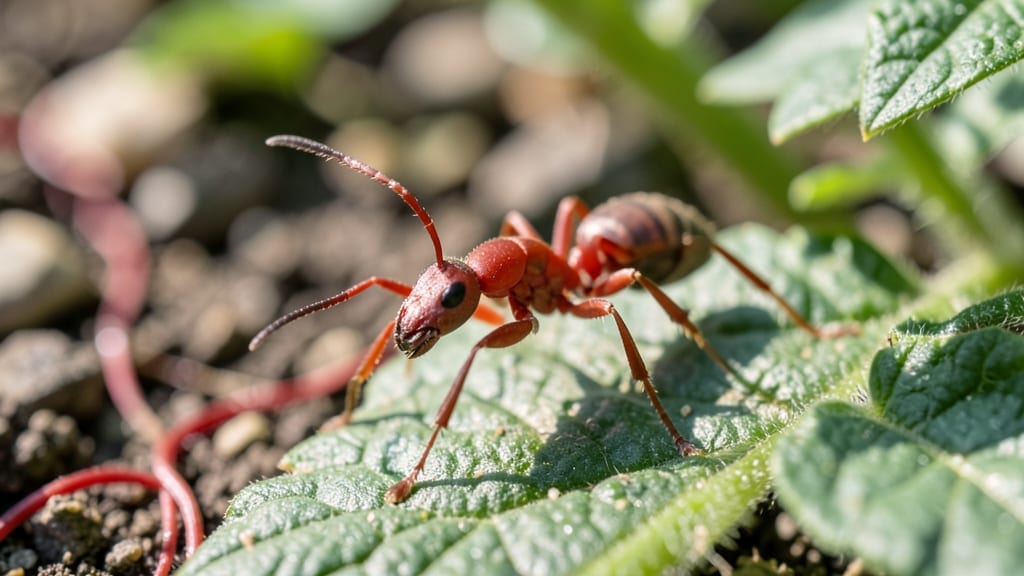
How to get rid of those red bugs outside—before they turn your garden into a battleground. 🌿 I’ve battled red spider mites, red ants, and beetles—each one a different nightmare—but the right homemade spray can stop them in their tracks within hours. The key? Identifying them first, then using targeted treatments that work without chemicals. Red bugs often hide on undersides of leaves or in soil cracks. Spider mites leave webbing, while ants march in trails. Once you spot them, a mix of soapy water, neem oil, or garlic spray (depending on the pest) can eliminate them fast. Just avoid overwatering—dry conditions attract mites and beetles. You’ll see fewer pests within 24-48 hours, and your plants will bounce back with fresh growth. The best part? These sprays are safe for plants, pets, and kids when used correctly. No more chemical residue or guesswork. Prevention is easier than cleanup: mulch properly, prune regularly, and monitor leaves weekly. If red bugs keep coming back, it might be time to call in reinforcements—like beneficial insects or a professional. Let’s tackle this together!
Root Causes Of Outdoor Red Bugs
Those tiny red invaders marching across your patio, garden, or yard aren’t just a random nuisance—they’re often drawn to your space for specific reasons. Understanding why they’re there is the first step to stopping them in their tracks.
Below, we break down the most common triggers, backed by science, so you can address the problem at its source.
Many red bugs—like harlequin bugs, boxelder bugs, or chiggers—are plant lovers. They feed on sap, leaves, or even the roots of your favorite greenery. Here’s how it works:
- Sap-sucking pests: Bugs like harlequin bugs inject toxins into plants (e.g., brassicas like kale or cabbage) while feeding, causing wilting or yellowing. Their bright red color is a warning to predators: "Don’t eat me—I’m toxic!"
- Seed predators: Boxelder bugs target stressed trees (like maples or ash) in late summer, gathering near bark or leaf litter to feast on seeds and sap.
- Chigger hotspots: These microscopic mites thrive in high-humidity areas with dense ground cover (e.g., tall grass, leaf piles). They latch onto humans or pets to feed on skin cells—not blood, despite the creepy rumors.
Actionable clue: If red bugs swarm specific plants or appear after pruning, your garden’s health (or stress) is likely the culprit.
Red bugs don’t just want a meal—they want a safehouse. Your property might unknowingly provide the perfect hideout:
- Cracks and crevices: Gaps in siding, loose window screens, or even mulch piles near foundations become winter refuges for bugs like boxelder bugs. They’ll emerge in spring when temperatures rise.
- Standing water: Mosquitoes (some species with red larvae) and chiggers need moisture. A clogged gutter, leaky hose, or birdbath can turn your yard into a breeding ground.
- Pet bedding or firewood: Piles of wood or outdoor pet areas (especially near grass) can harbor red velvet mites or ticks, which thrive in dark, humid spots.
Science note: Many red bugs are poikilothermic (cold-blooded), meaning they seek shelter when temperatures drop below 50°F (10°C). Your home’s warmth makes it irresistible.
Red bugs follow nature’s calendar. Their appearances often align with:
| Bug Type | Peak Season | Why They Show Up |
|---|---|---|
| Boxelder bugs | Late summer/fall | They gather on sunny walls to molt (shed their exoskeleton) before winter. Warm days trigger mass migrations. |
| Harlequin bugs | Spring–early summer | Cool, damp springs boost their egg-laying success. They target young, tender plants. |
| Chiggers | Late spring–early fall | High humidity and host animals (deer, rodents) increase their numbers in overgrown areas. |
Pro tip: If red bugs appear suddenly in large numbers, check the weather. A recent rainstorm or temperature spike often signals an impending invasion.
Red bugs rarely travel alone. They often hitchhike on:
- Wildlife: Birds, squirrels, or raccoons can carry boxelder bug eggs or chiggers into your yard via nesting materials or droppings.
- Firewood or plants: Uninspected firewood stacks or potted plants from nurseries may introduce red imported fire ants or other pests.
- Your pets: Dogs and cats can track chiggers or ticks from grassy areas into your home.
Key insight: If red bugs appear indoors (e.g., on curtains or pet beds), trace their entry point backward—often, they’re following a secondary host.
Now that you know why these red bugs are crashing your outdoor party, you’re ready to tackle the root cause. The next step? Targeted fixes to evict them for good.
Quick Fixes for Common Red Bugs
If you’ve spotted red bugs outside—whether they’re chinch bugs, boxelder bugs, or even red ants—you’ll want fast, effective solutions to keep them from invading your yard or home.
Below, we’ve mapped out the best fixes based on the most common culprits, along with easy prevention tips to stop them from returning.
Chinch bugs thrive in dry, grassy areas, especially during drought. Here’s how to tackle them: Fix:- 💦 Water deeply and frequently – Chinch bugs love dry soil. Keep lawns well-watered (1–1.5 inches per week) to discourage them.
- 🌱 Overseed thin or patchy grass – Thick turf makes it harder for bugs to lay eggs. Use drought-resistant grass if needed.
- 🧴 Apply horticultural oil or insecticidal soap – Spray affected areas (especially near sidewalks or driveways) in early morning or evening when bugs are active.
- 🔪 For severe infestations, use neem oil – Mix 2 tbsp neem oil with 1 quart of water and 1 tsp dish soap. Spray directly on bugs.
💡 Prevention Tip:
- Mulch garden beds to retain moisture and reduce egg-laying spots.
These shiny red-and-black bugs cluster on trees (like boxelder, maple, or ash) before invading homes. Knock them out with these steps:
Fix:
- 🌳 Prune trees near your home – Trim branches touching your roof or walls to limit access.
- 🧹 Vacuum or sweep bugs indoors – If they’ve already entered, use a vacuum or broom to remove them. Do not crush them—they release a foul odor!
- 🛡️ Install fine mesh screens on windows, doors, and vents to block entry.
- 🌿 Apply diatomaceous earth (DE) outdoors – Sprinkle food-grade DE around the base of infested trees. It dehydrates bugs on contact.
- 🔥 Use a homemade spray – Mix 1 tsp dish soap + 1 cup rubbing alcohol + 1 gallon water in a spray bottle. Target clusters on trees.
💡 Prevention Tip:
- Seal cracks in your home’s foundation with caulk to prevent overwintering bugs from sneaking in.
Red ants (especially fire ants) build mounds and can damage plants or structures. Here’s how to stop them:
Fix:
- 🍞 Use protein-based baits – Fire ants love greasy or sweet baits. Try borax + sugar bait (1 part borax to 3 parts sugar + water) or commercial ant baits like Terro Liquid Ant Baits.
- 🔥 Pour boiling water on mounds – For small mounds, this kills queens and workers instantly. Repeat weekly if needed.
- 🛡️ Create a natural barrier – Sprinkle coffee grounds, cinnamon, or chalk around entry points (ants avoid these textures).
- 🌿 For carpenter ants, find and treat the nest – Follow trails indoors to locate moisture sources (leaky pipes, damp wood). Use orange oil or boric acid near entry holes.
💡 Prevention Tip:
- Fix leaks and remove standing water—ants seek moisture, so eliminate it to deter them.
If you’re unsure what kind of red bugs you have, this all-purpose spray works on soft-bodied pests like aphids, boxelder bugs, and even some ants:
Ingredients:
- 1 quart water
- 2 tbsp neem oil (or 1 tbsp castile soap)
- 1 tsp dish soap (as an emulsifier)
- 5 drops peppermint or citrus essential oil (optional, for scent)
How to Use:
- 🍳 Mix ingredients in a spray bottle.
- 👨🍳 Shake well before each use.
- 🥘 Spray directly on bugs or affected areas (early morning or late evening for best results).
- ⏰ Reapply every 3–5 days or after rain.
✨ Pro Tip:
- Spray the undersides of leaves where many red bugs hide.
Most red bugs are harmless but can be a nuisance. By targeting their food, water, and shelter, you can eliminate them fast and keep them from coming back. For persistent problems, consider professional pest control—especially with fire ants or structural damage from carpenter ants.
Frequently asked questions
What are the most common red bugs I might see outside?
You’re likely dealing with one of these: boxelder bugs (shiny red-and-black tree invaders), harlequin bugs (toxic sap-suckers on brassicas), red velvet mites (harmless but creepy in mulch), or fire ants (aggressive mound-builders). Check for webbing (spider mites), trails (ants), or clusters on trees to narrow it down.
Why do red bugs keep coming back after I spray?
They’re probably hiding in cracks, mulch, or tree bark! Many red bugs (like boxelder bugs) overwinter in your home’s foundation or under eaves. Try sealing entry points with caulk, applying diatomaceous earth around foundations, and treating both the yard and your home’s perimeter.
Can I use vinegar to kill red bugs?
Vinegar works for some pests, but it’s not effective against most red bugs. The acidity evaporates too quickly to dehydrate them like diatomaceous earth or neem oil. For ants, mix vinegar with water (1:1) to disrupt trails—but reapply after rain. For others, stick to soapy water or neem oil sprays.
Are red bugs dangerous to my plants or pets?
Most aren’t deadly, but some cause damage: harlequin bugs poison plants, fire ants can sting pets, and chiggers (tiny red mites) bite humans/animals. Monitor pets after outdoor time—if you see red bumps, check for chiggers. For plants, focus on sap-suckers (like spider mites) which drain leaves.
When should I call a professional instead of DIY?
If you see large fire ant mounds, structural damage from carpenter ants, or if red bugs keep returning despite treatments, it’s time to call an exterminator. Also seek help if bugs appear indoors in wall voids or if you have allergies/asthma (some bug debris can trigger reactions).