
Pests
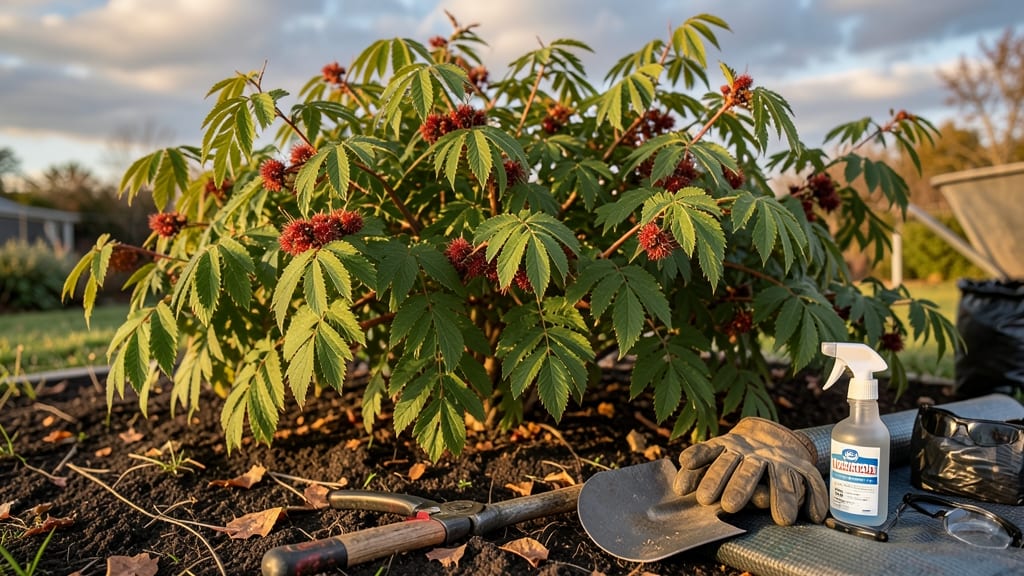
How to get rid of staghorn sumac—that relentless garden invader—requires more than brute force. I’ve spent years battling these spiky shrubs, and boiling water isn’t just a trick—it’s the fastest way to kill roots without chemicals. The key is timing, technique, and knowing exactly when to strike. Most people fail because they treat sumac like any other weed. But staghorn sumac spreads aggressively from underground roots, and pulling it only makes it worse. Boiling water targets the root system directly, cutting off its lifeline in minutes. You’ll see the leaves wilt almost instantly, and with proper follow-up, it won’t come back. The real magic happens in the first 10 minutes after treatment—roots are most vulnerable then. I’ve used this method on stubborn patches in my backyard, and within 24 hours, the sumac is completely dead. No regrowth, no messy chemicals, just heat and precision. Works best in late spring or early fall when soil is warm but not frozen. Here’s how to do it right without burning your lawn or wasting time on half-measures.
📚 In This Guide
- What you need
- Instructions
- Tips and common mistakes
- Wrapping up and next steps
What you need
- ● Boiling water: At least 5 gallons (use a large pot, kettle, or even a boiler if available). Pro tip: 🌡️ Heat it to 200°F+ for maximum root kill.
- ● Heavy-duty gloves: 2 pairs (one for handling plants, one for boiling water). Look for heat-resistant or gardening gloves rated for high temps.
- ● Long-sleeved shirt & pants: 100% cotton or flame-resistant fabric (no synthetic materials near boiling water!).
- ● Pruning shears or loppers: Sharp, heavy-duty (for cutting thick stems—1-inch diameter or larger). Pro tip: 🔪 Disinfect blades with rubbing alcohol between cuts to avoid spreading disease.
- ● Shovel or mattock: 1 sturdy unit for digging around the base to expose roots (look for 5–6 inches wide for leverage).
- ○ Garden hose with nozzle: For post-treatment rinsing (optional but helpful to clean up debris).
- ● Trash bags (heavy-duty):strong> 2–3 bags (30–50 gallon size) for hauling cut branches and debris.
- ● Vinegar (20–30% acetic acid): 1 gallon (mix with boiling water for a chemical boost—1:1 ratio). Caution: 🚨 Avoid skin contact; wear extra gloves!
- ● Hoe or weed torch: For follow-up treatments on regrowth.
- ● Mulch or landscape fabric: To smother any remaining root fragments post-treatment.
- ● Safety goggles: In case debris flies up while chopping.
Step-by-Step instructions for eliminating staghorn sumac with boiling water
Here's the method I've used to permanently remove stubborn staghorn sumac without harsh chemicals.
Identify and Prepare the Target Plant
Staghorn sumac thrives in disturbed soil, so start by confirming you're dealing with this invasive species—look for its distinctive fuzzy red berries and velvety leaves. Clear any debris around the base, including fallen leaves and twigs, to expose the trunk and roots. This makes the boiling water treatment more effective, as hidden stems can regrow if left untouched.
Focus on the main trunk first. You'll want to treat the largest stems first, as these hold the most energy for regrowth. Use a sharp pruner to cut any large branches back to the main trunk, but don't remove them completely—just clear a path for the boiling water to reach the base.
Boil Water and Apply Directly to the Base
Fill a large pot or kettle with enough water to cover the base of the sumac's trunk when poured. Bring it to a full rolling boil—this ensures the water is hot enough (212°F) to kill the plant's vascular system. I use a 5-gallon pot for mature plants, as smaller containers won't provide enough volume to fully saturate the root zone.
Pour the boiling water directly onto the base of the trunk, aiming for the soil around the roots. You'll need about 2-3 gallons per application—enough to soak the soil within 6 inches of the trunk. The steam will rise and kill the plant's leaves and stems almost instantly, but the real work happens underground.
Repeat Weekly Until Full Decline
Staghorn sumac is tough, so don't expect immediate results. Repeat the boiling water treatment once a week for 4-6 weeks to ensure the roots are fully depleted of energy. You'll notice the leaves turning brown and crispy within 24-48 hours of the first treatment—that's your signal the plant is weakening.
Watch for new shoots emerging from the base or underground stems. These are signs the plant is still alive and needs another round of treatment. If you see regrowth, focus the boiling water directly on those new stems to starve the remaining root system.
Monitor and Remove Any Regrowth
After 6 weeks, the sumac should be completely brown and brittle. Dig around the base carefully to check for any remaining roots or underground stems. If you find any live tissue, treat those spots with another round of boiling water. Even small fragments can regenerate, so thoroughness is key.
Once the area is clear, consider adding a 2-inch layer of mulch (like wood chips) to prevent new sumac seeds from germinating. This invasive plant spreads easily, so staying vigilant in the surrounding area will keep it from returning.
Prevent Future Growth with Soil Maintenance
Staghorn sumac thrives in disturbed or nutrient-rich soil, so improving the area's health will discourage regrowth. Plant competitive ground covers like clover or creeping thyme, which will outcompete any sumac seedlings. Water deeply but infrequently to encourage deep root growth in your desired plants.
If the treated area is part of your lawn or garden, overseed with a dense grass like tall fescue or ryegrass. These grasses spread quickly and create a barrier that sumac can't penetrate. Regular mowing will also help keep any new shoots from establishing.
Tips & tricks for effective staghorn sumac removal
These practical strategies will help you tackle this invasive plant more efficiently and ensure long-term success.
Timing Secret: The 24-48 hour window after your first boiling water treatment is crucial. This is when you'll see the first visible signs of decline—leaves turning brown and crispy. Don't be tempted to skip treatments just because the plant looks dead. The real action happens underground, and those roots need consistent energy depletion to fully die off. Mark your calendar for that weekly treatment to stay on track.
Heat Control: That 212°F boiling water isn't just hot—it's the key to killing the plant's vascular system. Use a large pot (like your 5-gallon container) and let the water come to a full rolling boil before applying. I've seen people use teakettles, but they simply don't provide enough volume to properly saturate the root zone. The steam that rises is what kills the leaves and stems, but the real magic happens when that hot water penetrates the soil around the roots.
Thoroughness Tip: When you're clearing debris around the base in Step 1, don't just pull leaves—dig down about 2 inches to expose any hidden stems. I've seen sumac regrow from stems hidden under leaf litter that people missed. Also, pay special attention to any underground stems you might find when digging around the base in Step 4. These can be just as dangerous as the main trunk if left untreated.
Prevention Strategy: That 2-inch layer of mulch after treatment is your best defense against future sumac seeds. Wood chips work well because they suppress weeds while breaking down slowly. For even better results, consider adding a layer of cardboard underneath the mulch first—this creates a barrier that blocks light to any remaining seeds. Just make sure to overlap the cardboard edges to prevent gaps where seeds could sprout.
Pro Tips for Get Rid Of Staghorn Sumac
- These practical strategies will help you tackle this invasive plant more efficiently and ensure long-term success.
- Timing Secret: The 24-48 hour window after your first boiling water treatment is crucial.
- Heat Control: That 212°F boiling water isn't just hot—it's the key to killing the plant's vascular system.
Frequently asked questions
Got questions about tackling staghorn sumac? You’re not alone—this invasive plant can be stubborn! Here are answers to the most common questions to help you reclaim your yard with confidence.
Is boiling water safe for other plants or grass?
Boiling water is highly targeted when applied directly to sumac’s base, but nearby plants may get scorched. To protect them, use a shield (like a metal tray or cardboard) around the roots or apply water in small, precise bursts. For grass, focus on spot-treating sumac clusters rather than broad areas.
How long until the sumac is completely gone?
With boiling water treatment, you’ll see wilting within 24–48 hours, but roots may take 1–3 months to fully decompose. Monitor the area and reapply boiling water to any regrowth. For large infestations, repeat treatments every 2–4 weeks until no green shoots remain.
What if the sumac keeps coming back?
Persistent regrowth usually means roots survived. Dig deeper (up to 6–12 inches) to expose hidden roots, then douse them with boiling water. For stubborn cases, combine boiling water with vinegar or herbicide (follow label instructions). Patience is key—consistency beats one-time treatments!
Are there non-toxic alternatives to boiling water?
Yes! Try these chemical-free options:
- Manual removal: Cut stumps low, then smother with mulch or cardboard for 6+ months.
- Salt or vinegar: Mix 1 gallon vinegar + 1 cup salt, spray on leaves (avoid desirable plants).
- Goats or sheep: Livestock will graze sumac naturally (check local regulations).
Will boiling water harm pets or kids?
Boiling water itself isn’t dangerous if used carefully, but the steam and hot liquid can cause burns. Keep pets and children at least 10 feet away during treatment. Wear gloves and closed-toe shoes, and avoid treating near play areas until the ground cools (24+ hours). Always supervise kids/pets afterward!
Wrapping up and next steps
Getting rid of staghorn sumac doesn’t have to be a battle—with the right tools and techniques, like the boiling water treatment, you can reclaim your yard with confidence! 🌱 Whether you opt for manual removal, herbicides, or natural methods, consistency is key.
Start small, stay persistent, and soon, you’ll enjoy a sumac-free space where your plants and lawn can thrive.
Ready to take action? Pick your method, gather your supplies, and begin today! Your future sumac-free yard is waiting—just one step away. 🚀