
Propagation
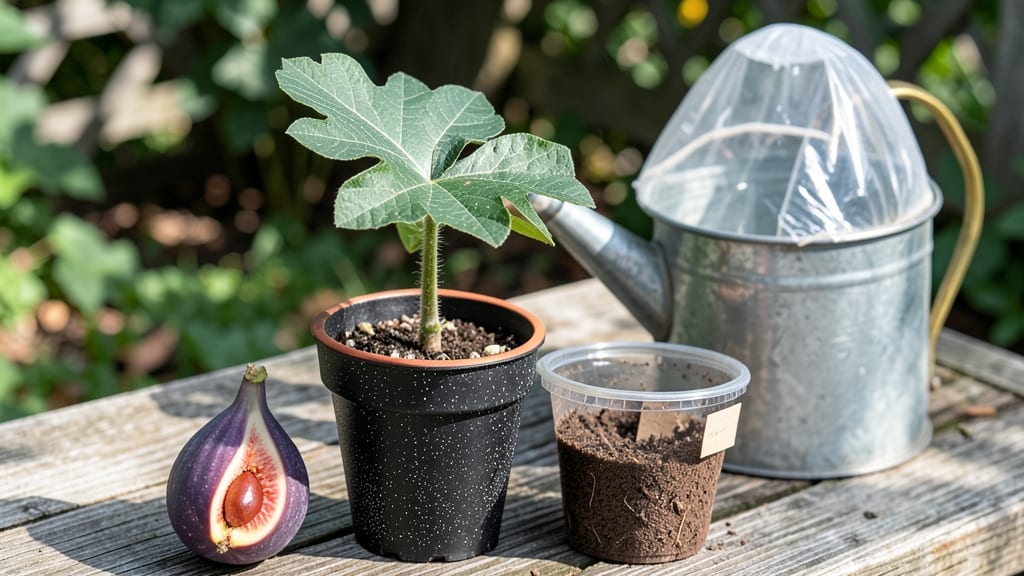
How to grow a fig tree from a fig feels like magic. 🌱 I’ve turned grocery-store rejects into thriving saplings this way—no fancy equipment needed. The secret? Patience and a few simple steps that turn a $2 fruit into a potential shade tree or harvest source.
Start with a ripe fig (the riper, the better) and a clean knife. After carefully removing the seed, you’ll place it in water to encourage roots. Most people skip this step and plant straight into soil—big mistake.
Water rooting speeds up germination to 2-4 weeks, while soil can take months or never happen. Just keep the water fresh and watch those roots sprout.
Once roots reach 1-2 inches, transplant into well-draining soil. Keep it in bright, indirect light for the first month, and you’ll see new leaves within weeks. The best part? These trees grow fast—some even fruit in their second year if given enough warmth and sunlight.
Works year-round in warm climates, but spring planting gives the best head start. The biggest mistake? Overwatering or using cold water—fig seeds need warmth to germinate. With this method, you’ll have a sturdy young tree ready for the garden in just a few months.
📚 In This Guide
- What you need
- Instructions
- Tips and common mistakes
- Wrapping up and next steps
What you need
- ● 1-2 fresh figs (choose organic or pesticide-free for best results—ripe but firm is ideal!)
- ● 1 clean glass or jar (8–16 oz, with a wide mouth for easy access)
- ● Room-temperature water (enough to submerge the fig’s stem by ~1 inch)
- ○ Optional rooting hormone (like Rootone or hydroponic rooting gel) to speed up growth
- ● Small pebbles or marbles (to weigh down the fig and keep it submerged)
- ● Bright, indirect sunlight (a sunny windowsill works best!)
- ● Patience! 😉 (Rooting can take 2–6 weeks, depending on conditions)
- ● Spray bottle (to mist the fig and maintain humidity)
- ● Small pot & well-draining soil (for transplanting once roots form)
- ● Fertilizer (diluted) (like seaweed extract or balanced liquid fertilizer for early growth)
- ○ Heat mat (optional) (if your home is chilly—figs love warmth!)
Step-by-step instructions for growing a fig tree from a fig
Here's how to root fresh figs in water for quick, healthy growth—no fancy tools required.
🌱 Step 1: Select and Prepare Your Figs
Pick firm, ripe figs with intact stems—these have the best rooting potential. I always choose organic figs from the grocery store because they're free of wax coatings that can inhibit rooting. Cut a 4-6 inch stem from the fig, leaving at least 2 inches of stem attached to the fruit.
Remove any leaves from the lower half of the stem—these will rot in water. Use clean, sharp scissors to make a straight cut just above a leaf node (the small bump where leaves attach). This ensures the stem has energy reserves to focus on root growth instead of supporting foliage.
💧 Step 2: Root in Water for Fast Growth
Fill a clean glass or jar with room-temperature water—about 2-3 inches deep. Submerge the stem end of your fig cutting, leaving the fig fruit above water. Change the water every 2-3 days to prevent bacterial growth, which can rot your cutting before roots form.
Place the jar in bright, indirect light—like a south-facing window with sheer curtains. Direct sun will overheat the water and stress the cutting. You'll see tiny white roots emerging from the stem in 2-4 weeks. Once roots reach 1-2 inches long, your cutting is ready for planting.
🪴 Step 3: Plant the Rooted Cutting
Fill a 6-inch pot with well-draining potting mix—figs hate soggy roots. I like to mix in a little perlite for extra aeration. Make a small hole in the center and gently place your rooted cutting, burying the stem up to where the roots begin. Press the soil lightly around the stem to secure it.
Water thoroughly until water runs out the drainage hole, then let the soil dry slightly before watering again. Figs need consistent moisture but not soggy soil. Keep the pot in bright, indirect light for the first week to help it adjust. You'll notice new leaves forming within 3-4 weeks—that's your sign the tree is thriving.
☀️ Step 4: Transition to Outdoor Conditions
After 4-6 weeks of indoor growth, your fig tree will be ready for outdoor life. Start by placing it outside in a sheltered spot for 2-3 hours the first day, gradually increasing exposure over 10-14 days. This process, called hardening off, helps the tree adjust to wind and sun without shock.
Once fully outdoors, choose a sunny spot with at least 6-8 hours of direct sun. Figs love heat and thrive in 70-90°F temperatures. Water deeply once a week, allowing the top 1-2 inches of soil to dry out between waterings. You'll see rapid growth as the tree establishes itself in its new home.
Tips & tricks for growing a fig tree from a fig
Want to turn grocery store figs into your own thriving tree? These simple tricks will help you root and grow your cutting faster than you'd expect.
Selection Tip: Look for figs that are firm but slightly soft to the touch—they'll have the best balance of ripeness and energy for rooting. Avoid figs with cracks or bruises, as these can introduce bacteria to your water. I've found that organic figs work best because their natural skins allow for better gas exchange during the rooting process.
Lighting Secret: That bright, indirect light is crucial—think of it as the sweet spot where your cutting gets enough energy without overheating. If you notice the water turning cloudy or the leaves wilting, move the jar farther from the window. A simple grow light on a timer works too if natural light is limited, especially in cooler months when days are shorter.
Water Change Timing: Those 2-3 day water changes might seem frequent, but they're non-negotiable for preventing bacterial growth. I like to use a spray bottle to rinse the jar between changes—this removes any algae buildup that can form on the glass. Room-temperature water is key; cold water can shock the cutting while warm water encourages bacterial growth.
Transplanting Cue: When your roots reach 1-2 inches, they'll look like tiny white hairs along the stem. This is your green light to plant! Don't wait too long—the longer roots stay in water, the more delicate they become. Gently pat the roots dry before planting to prevent waterlogged soil, which figs absolutely despise.
Pro Tips for Grow A Fig Tree From A Fig
- Want to turn grocery store figs into your own thriving tree?
- Selection Tip: Look for figs that are firm but slightly soft to the touch—they'll have the best balance of ripeness and energy for rooting.
- Lighting Secret: That bright, indirect light is crucial—think of it as the sweet spot where your cutting gets enough energy without overheating.
Frequently asked questions
Got questions about growing a fig tree from a single fig? You’re not alone—this method sparks curiosity! Below, we’ve rounded up the most common queries to help you navigate the process with confidence. Whether you’re wondering about timing, troubleshooting, or alternatives, we’ve got you covered.
How long does it take for a fig cutting to root in water?
With patience and the right conditions, your fig cutting should start developing roots in 4–8 weeks. Keep the water fresh, provide bright (but indirect) light, and maintain a warm environment (around 70–75°F). Roots may appear as tiny white strands—once they’re 1–2 inches long, it’s time to transplant!
Can I grow a fig tree from a store-bought fig?
Yes, but with a caveat! Store-bought figs are often treated with growth inhibitors to delay ripening. For best results, use organic, homegrown, or farmer’s market figs that haven’t been refrigerated or waxed. If you’re unsure, try the method anyway—worst case, you’ll learn patience!
Why is my fig cutting rotting in water?
Overwatering or poor airflow are the usual culprits. To fix it:
- Use room-temperature water (never cold).
- Change the water every 3–4 days to prevent bacteria.
- Ensure the cutting is only 1–2 inches submerged—more can drown it.
- Add a drop of hydrogen peroxide (3%) to the water weekly to keep it fresh.
Should I use rooting hormone on a fig cutting?
Fig cuttings can root without hormone, but it speeds up the process! If you’re eager, dip the cut end in rooting hormone gel or powder before placing it in water. Just avoid overdoing it—too much can harm the delicate tissue. For beginners, skip it and focus on clean cuts and fresh water.
Can I grow a fig tree indoors from a cutting?
Figs thrive indoors with bright, indirect light (a south-facing window or grow light works well). Keep the space warm (65°F+) and humid—try a pebble tray with water or a humidifier. Once rooted, transplant to a pot with well-draining soil and prune regularly to encourage bushiness. Just be patient—indoor figs may take longer to fruit.
Wrapping up and next steps
Growing a fig tree from a single fig is simpler—and more rewarding—than you might think! 🌱 With just a little patience, the right tools, and a sunny spot, you’ll soon have a thriving plant that could one day bear fruit of its own.
Start small, stay consistent, and before you know it, you’ll be harvesting fresh figs straight from your backyard.
Ready to take the next step? Plant your rooted cutting in soil and watch your fig tree flourish! For extra tips, check out our guide on transplanting young fig trees—happy growing! ✨