
How To
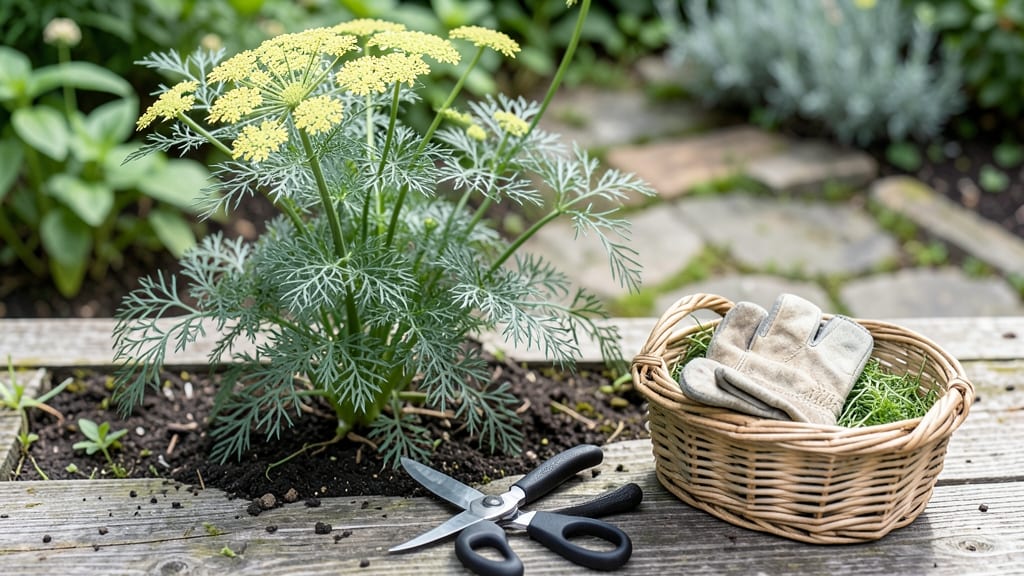
How to grow and harvest the freshest dill from seed is easier than you think—and it’s the secret to unlocking bold flavors in your favorite dishes. Whether you’re dreaming of homemade pickles, tangy soups, or aromatic fish recipes, this feathery herb is a kitchen game-changer. With just 60 days and a few simple steps, you can transform tiny seeds into a thriving 🌿 plant that outshines store-bought options.
But here’s the catch: dill thrives on precision. Plant it too early, and you risk bolting before harvest. Skip the sunlight, and you’ll end up with leggy, flavorless stems.
The good news? I’ve broken down the exact soil prep, spacing, and watering schedule to ensure your dill grows strong and productive from day one.
Once your plants hit 12 inches tall, you’ll be ready to harvest—whether you’re snipping leaves for salads or waiting for seeds to dry for pickling.
I’ll show you the best tools, timing, and storage tricks to keep your harvest fresh longer, so you can enjoy that bright, zesty taste all season.
Ready to turn your garden into a flavor factory? Let’s get those seeds in the ground and start growing dill that’ll make your meals unforgettable.


Step-by-step guide to planting and growing dill from seed
Growing dill from seed is easier than you think, but timing and soil prep make all the difference. Start by choosing a sunny spot with well-draining soil—dill hates soggy roots.
The key to success? Planting after the last frost (typically mid-April in most US zones) and giving seeds the right conditions for fast germination (3-14 days).
Dill thrives in loamy soil with a pH between 6.0-7.0. If your soil is heavy clay or sandy, mix in 2-3 inches of compost to improve drainage and fertility. A south-facing garden bed gets the 6+ hours of sunlight dill craves daily—no compromise here!
Here’s how to plant dill seeds like a pro:
Select a spot with full sun and well-draining soil. Avoid low-lying areas where water pools.
Loosen soil to 6 inches deep and mix in compost for nutrients. Test pH—aim for 6.0-7.0.
Plant seeds ¼ inch deep, 12-18 inches apart in rows 18 inches apart. Dill doesn’t transplant well!
Keep soil moist but not soggy. Use a spray nozzle to avoid disturbing seeds.
Once sprouts are 2 inches tall, thin to 12-18 inches apart for strong stems.
Add 1 inch of mulch (straw or shredded leaves) to retain moisture and suppress weeds.
Dill seeds germinate quickly in warm soil (70°F+). If your area has cool springs, consider using a seedling heat mat or starting seeds indoors 4-6 weeks before last frost. Just remember: dill hates transplanting, so direct sowing is best!
Once seedlings emerge, watch for lush green leaves and upright stems—signs your dill is thriving. Water deeply in the morning (1 cup per plant) to encourage deep root growth. Avoid overhead watering to prevent foliar diseases like powdery mildew.
Fertilizing is simple: use a balanced 5-10-10 fertilizer every 4-6 weeks during the growing season. Apply in the early morning after watering to avoid burning roots. Skip fertilizer in fall and winter—dill goes dormant when temps drop.
Container gardening? No problem! Use a pot at least 12 inches deep with drainage holes. Plant 1-2 seeds per container and water every 2-3 days—containers dry out faster than garden beds. Place pots in a sunny spot and watch your dill grow!
Pro tip: Companion planting with dill boosts flavor and deters pests. Try pairing it with cabbage, cucumbers, or tomatoes. Just avoid planting near carrots—they compete for nutrients.
When and how to harvest dill for maximum flavor and longevity
Harvesting dill at the right time ensures peak flavor and encourages continuous growth. For leaf harvests, wait until your plants reach 12-18 inches tall and have lush green foliage.
This usually happens around 45-60 days after sowing, depending on your climate. Cutting at this stage gives you the most aromatic leaves for salads, soups, and garnishes.
If you're growing dill for seeds, wait until the flower clusters form and turn brown. This can take up to 75 days from planting. The seeds are ready when they rattle inside the seed heads, signaling they're fully mature.
For both leaves and seeds, timing is everything—harvest too early, and you'll miss out on flavor; too late, and the plant may become woody or bolt prematurely.
Comparison Table: Leaf vs. Seed Harvest
| Stage | Best Time | Harvest Method | Flavor Intensity | Regrowth Potential |
|---|---|---|---|---|
| Leaves | 45-60 days | Cut stems 3-4 inches above soil | Highest (bright, tangy) | Excellent (multiple cuts) |
| Seeds | 70-75 days | Snip seed heads, dry thoroughly | Mild (earthy, nutty) | None (plant dies after seeding) |
To harvest dill leaves, use clean, sharp scissors or pruning shears. Cut the outer stems first, leaving the inner growth intact. This encourages the plant to produce more leaves and keeps it bushy.
Always harvest in the morning after the dew has dried, as this is when the essential oils (and flavor) are at their peak. Avoid cutting more than one-third of the plant at a time to prevent stress.
For seed harvests, wait until the seed heads are fully brown and dry. Snip the entire seed head and place it in a paper bag to dry completely. Once dry, gently rub the seeds from the stems and store them in an airtight container in a cool, dark place.
Dill seeds can last up to 2 years when stored properly, making them a great option for next year's garden.
After harvesting, don’t forget to fertilize lightly with a balanced 5-10-10 fertilizer to promote regrowth. Water the base of the plant deeply in the morning to help it recover.
With proper care, a single dill plant can provide multiple harvests throughout the growing season, giving you fresh dill for all your culinary needs.
Store fresh dill by wrapping the stems in a damp paper towel and placing them in a plastic bag in the fridge. This keeps them fresh for up to 10 days.
For long-term storage, dry the leaves by hanging small bundles upside down in a dark, well-ventilated area for 1-2 weeks. Once completely dry, crumble the leaves and store them in glass jars away from light.
Frozen dill also works well—simply chop the leaves and freeze them in ice cube trays with water or oil for easy use in recipes.