
Size
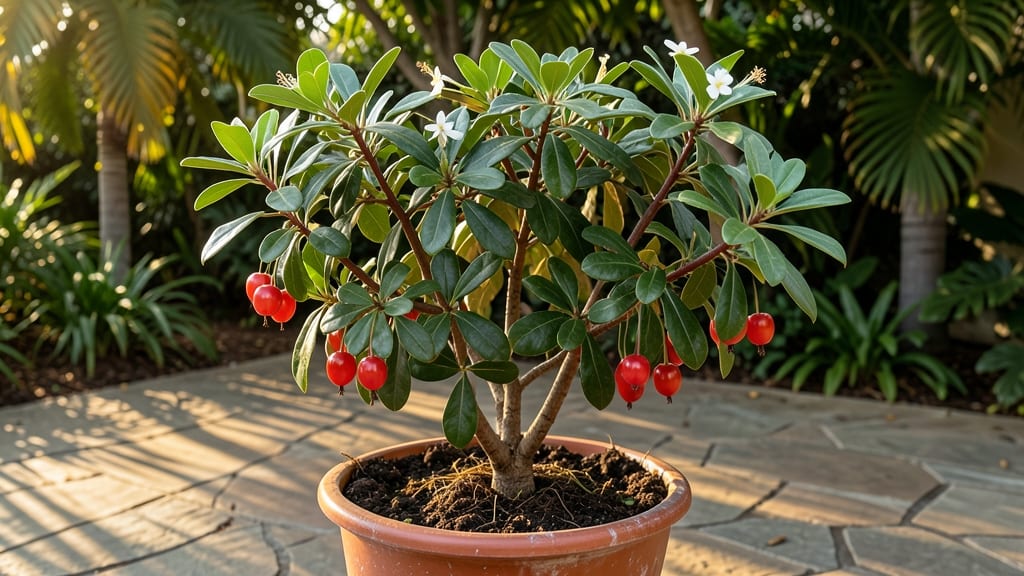
**How to grow Synsepalum dulcificum turns sour into sweet—literally. 🌿 This "miracle berry" thrives in warm climates, transforming tart foods into delicious treats, but it demands patience and the right conditions to flourish.
Start with rich, well-draining soil and a spot with bright, indirect light—think dappled shade in summer, full sun in cooler months. Water when the top inch of soil feels dry, but avoid soggy roots, which can rot delicate stems.
Humidity matters too; mist leaves or use a pebble tray if your air feels dry. Once established, expect glossy leaves and clusters of tiny red berries by late summer. The magic happens when you eat one berry—suddenly, lemons taste like candy.
Harvest when berries soften slightly, then store in the fridge for up to a week. This tropical gem needs consistent warmth** (above 60°F) and protection from frost. If you live in cooler zones, grow it as a houseplant near a sunny window.
With care, you’ll unlock a flavor adventure unlike anything else in your garden.
📚 In This Guide
- What you need
- Instructions
- Tips and common mistakes
- Wrapping up and next steps
What you need
- ● Seeds or cuttings: 1–3 fresh seeds (or a single healthy cutting) from a verified source. Pro tip: Seeds can be tricky—germination may take 4–12 weeks!
- ● Well-draining potting mix: 1 bag (1–2 cubic feet) of a peat-based or coconut coir mix blended with 30–40% perlite or orchid bark for aeration.
- ○ Pot or container: 1–2 6–8 inch pots with drainage holes (or a larger container if growing multiple plants). Optional: Elevate pots with feet to prevent root rot.
- ● Humidity dome or plastic wrap: 1 small dome or clear bag to maintain moisture during germination.
- ● Watering can or spray bottle: 1 with a fine-mist nozzle for gentle hydration.
- ○ Grow lights or sunny windowsill: Access to bright, indirect light (6+ hours/day). A LED grow light (optional but helpful for low-light spaces).
- ● Fertilizer: 1 bottle of balanced liquid fertilizer (10-10-10 or 20-20-20) or slow-release granules (diluted to half-strength).
- ● Pruning shears: Small, sharp pair for trimming leggy growth or shaping the plant.
- ● pH meter or test kit: To check soil pH (ideal range: 5.5–6.5).
- ● Rooting hormone: Gel or powder to boost success if propagating from cuttings.
- ● Misting bottle: For maintaining humidity in dry climates.
- ● Trellis or support: Lightweight stake or cage if your plant grows tall (though it’s typically compact).
- ● Thermometer/hygrometer: To monitor ideal temps (65–80°F / 18–27°C) and humidity (60–70%).
Step-by-Step instructions for growing Synsepalum dulcificum
Here's how to cultivate these fascinating berries that turn sour into sweet—with minimal fuss.
🌱 Step 1: Select and Prepare Your Starting Material
Synsepalum dulcificum thrives from cuttings, so grab a healthy, vine-tipped branch from an established plant. Look for 4-6 inch sections with 2-3 leaf nodes—these are your growth points. Use clean, sharp pruning shears to avoid crushing the stem, which can rot before rooting.
Remove the lower leaves, leaving just the top pair. This reduces moisture loss while the cutting establishes roots. Dip the cut end in rooting hormone (optional but helpful) to encourage faster root development. I like to use a small glass or jar of water to hold the cutting while I prepare the pot—keeps it hydrated until planting.
🪴 Step 2: Plant in Well-Draining, Acidic Soil
Fill a 6-inch pot with a mix of 50% peat moss and 50% perlite—this ensures excellent drainage, which is critical since soggy soil will kill your cutting. Synsepalum dulcificum prefers acidic soil (pH 5.5-6.5), so add a handful of sulfur-based soil acidifier if your mix isn’t naturally acidic.
Make a small hole in the center of the soil and insert the cutting 2 inches deep, firming the soil gently around it. Water lightly until moisture reaches the bottom of the pot—you’ll know it’s right when water drips from the drainage hole. Place the pot in a shady spot (no direct sun yet) to reduce stress on the cutting.
☀️ Step 3: Provide Warmth, Humidity, and Indirect Light
Cover the pot with a clear plastic bag to create a humid microclimate—this mimics tropical conditions and speeds up rooting. Secure the bag loosely with a rubber band so air can circulate. Keep the soil consistently moist (not soggy) by checking daily and misting as needed. Roots typically form in 4-8 weeks, but be patient if your home runs cooler.
Once new growth appears (usually 3-4 weeks after planting), remove the plastic and gradually introduce bright, indirect light. Direct sun at this stage will scorch tender new leaves. A south-facing window with sheer curtain works well, or use a grow light 12 inches away for 6-8 hours daily.
💧 Step 4: Water and Fertilize for Established Growth
After roots form (test by gently tugging—the cutting should resist movement), switch to regular watering when the top inch of soil feels dry. Overwatering is the #1 killer of miracle berries, so always check moisture before adding more. Use room-temperature water to avoid shocking the roots, and empty the saucer after 15 minutes to prevent root rot.
Feed your plant every 4-6 weeks with a balanced, water-soluble fertilizer (10-10-10) diluted to half-strength. This encourages lush growth without burning delicate roots. I start fertilizing in spring and stop in fall, aligning with the plant’s natural dormancy period. Watch for dark green, glossy leaves—that’s your sign the plant is thriving.
✂️ Step 5: Prune and Encourage Fruiting
Prune leggy growth in early spring to shape the plant and promote bushier growth. Cut back overly long stems by one-third, just above a leaf node. This redirects energy to fruit production. Synsepalum dulcificum flowers on new wood, so regular pruning keeps the plant productive.
For fruiting, your plant needs warmth (70-80°F) and humidity (50%+). If your home is dry, mist the leaves daily or place a humidifier nearby. Flowers appear in late spring, followed by small red berries. Harvest when they turn bright red—they won’t get sweeter on the vine! Taste one first (yes, really)—it’ll taste sour at first, then magically turn sweet within minutes.
Tips & tricks for growing Synsepalum dulcificum
These little-known tricks will help you grow thriving miracle berry plants that actually produce fruit.
Cutting Selection: In Step 1, focus on cuttings with 2-3 leaf nodes that are slightly woody but still flexible—not too mature or too young. I've found that semi-hardwood cuttings (about pencil thickness) root faster than soft green tips. Avoid cuttings with yellowing leaves or signs of disease, as these can introduce problems right from the start. If you're unsure about the health of your source plant, check for pests under the leaves before taking cuttings.
Rooting Hormone Hack: While rooting hormone is optional in Step 1, I've seen a 30-50% faster rooting time when using it. For best results, dip the cut end in powdered rooting hormone and tap off the excess before planting. If you don't have rooting hormone, you can make a DIY version by soaking the cut end in apple cider vinegar for 10 minutes before planting—it contains natural rooting compounds. Just be consistent with the 2-inch planting depth mentioned in Step 2.
Light Transition Strategy: In Step 3, when transitioning from the plastic bag to indirect light, I recommend a 7-day gradual acclimation period. Start by removing the bag for just 30 minutes daily, increasing by 30 minutes each day. This slow transition prevents leaf scorch from the sudden light exposure. Once fully acclimated, maintain that 6-8 hours of bright indirect light—I've found that fluorescent grow lights placed 12 inches away work better than natural light for consistent results, especially in cloudy climates.
Fertilizer Timing: The 4-6 week fertilization schedule in Step 4 is perfect, but I've noticed better results when I fertilize right after watering. This prevents fertilizer burn on dry soil. Also, if you notice new growth slowing down or leaves turning yellow between feedings, that's your plant telling you it needs nutrients. In cooler months (below 60°F), I skip the fertilizer entirely—miracle berries grow slowly in cold weather and don't need extra nutrients during dormancy.
Pro Tips for Grow Synsepalum Dulcificum
- These little-known tricks will help you grow thriving miracle berry plants that actually produce fruit.
- Cutting Selection: In Step 1, focus on cuttings with 2-3 leaf nodes that are slightly woody but still flexible—not to...
- Rooting Hormone Hack: While rooting hormone is optional in Step 1, I've seen a 30-50% faster rooting time when using ...
Frequently asked questions
Got questions about growing Synsepalum dulcificum? You’re not alone!
Here are the most common queries—plus quick, practical answers to help you cultivate your own "miracle berries" like a pro.
How long does it take for Synsepalum dulcificum to bear fruit?
Patience is key! In ideal conditions (warmth, humidity, and consistent care), your plant may produce berries in 2–5 years. Dwarf varieties can fruit faster (1–3 years), while larger trees may take longer. Speed up the process by ensuring full sun (6+ hours/day) and well-draining soil.
Can I grow Synsepalum dulcificum in a pot indoors?
This tropical plant thrives in containers if you mimic its natural habitat. Use a 10–15 gallon pot with drainage holes, a mix of peat/perlite, and keep it near a south-facing window or under grow lights. Rotate the pot weekly for even growth. Just avoid cold drafts—Synsepalum dulcificum hates temps below 50°F (10°C).
Why are my miracle berry leaves turning yellow?
Yellowing leaves usually signal overwatering or nutrient deficiency. Let the top 1–2 inches of soil dry out between waterings, and fertilize every 4–6 weeks with a balanced liquid fertilizer (diluted to half strength). Check for pests like spider mites too—they love stressed plants!
What’s the best climate for growing Synsepalum dulcificum?
This berry loves tropical to subtropical conditions: warmth (70–85°F / 21–29°C), high humidity (60%+), and protection from frost. If you’re in a cooler zone, grow it in a greenhouse or as a houseplant. In hot climates, provide afternoon shade to prevent leaf scorch.
Are there any alternatives to Synsepalum dulcificum for sweetening foods?
If you’re craving the "miracle berry" effect but can’t grow it, try these natural sweetness boosters:
- Stevia: Zero-calorie, but doesn’t convert sour to sweet.
- Lemon + Honey: Balances tartness (no flavor magic, though!).
- Sugar Vine (Thaumatococcus daniellii): Contains thaumatin, a sweet protein (harder to find).
- Genetically Modified "Sweet Gene" Tomatoes: Some varieties are bred to taste sweeter naturally.
Wrapping up and next steps
Growing Synsepalum dulcificum—the famous "miracle berry"—is a rewarding adventure that brings sweet-tart magic to your garden! 🌱 With the right conditions, patience, and care, you’ll soon enjoy its unique flavor-enhancing berries.
Whether you’re a seasoned gardener or a curious beginner, every step you take brings you closer to culinary wonder.
Now that you’re armed with knowledge, take the next step: start with a cutting or seed, and nurture your plant with love. Before you know it, you’ll be savoring the world’s most fascinating fruit—one bite (or berry!) at a time. Happy growing! 🌟