
How To
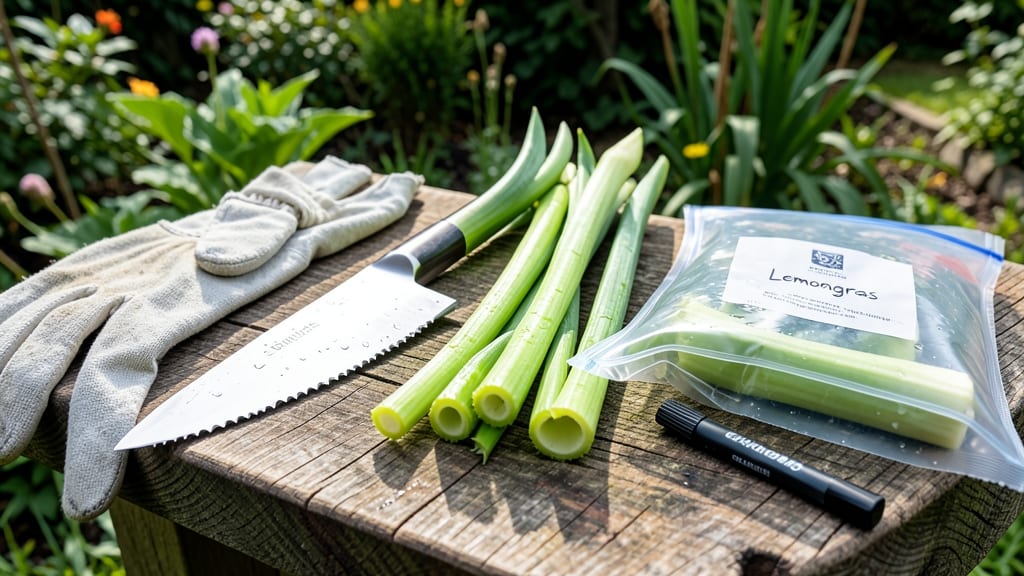
Harvesting and storing lemongrass 🌿 the right way can mean the difference between a dish that shines and one that falls flat.
If you’ve ever struggled to keep this fragrant herb fresh beyond a few days, you’re not alone—most people don’t realize how simple it is to preserve its bold citrusy flavor for months.
Lemongrass thrives in tropical climates but can also grow in USDA Zones 10-11 (or with winter protection in Zone 9b+), making it a versatile addition to any kitchen garden.
The key to unlocking its full potential lies in knowing exactly when to harvest—typically 6-12 months after planting—and how to store it to retain that signature aroma.
In this guide, I’ll walk you through the best harvesting techniques to ensure you’re picking lemongrass at its peak, followed by foolproof storage methods—whether you prefer fresh, dried, or frozen. No more wasted stalks or dull flavors!
Ready to transform your cooking (and your pantry) with longer-lasting lemongrass? Let’s get started.
When and how to harvest lemongrass for maximum flavor
Harvesting lemongrass at the right time ensures you capture its peak citrusy aroma and essential oils. Unlike many herbs, lemongrass grows tall—typically 3 to 4 feet—before reaching maturity.
The key is waiting until the base leaves are fully unfurled and the stems are thick but still slightly bendable at the base. This usually happens 6 to 12 months after planting, depending on your climate.
If you harvest too early, the stalks will be thin and woody, lacking the vibrant flavor you crave. Conversely, waiting too long can make the stems brittle and tough, reducing their usability in recipes.
The ideal time is when the plant is 3 to 4 feet tall and the lower leaves are thick and aromatic. Crush a leaf near the base—if it releases a strong citrusy scent, it’s ready for harvest!
Now, let’s talk about the cutting technique. Always use a sharp knife or pruning shears to make a clean cut about 2 inches above the ground. This ensures the plant can regrow from the base, giving you multiple harvests per season.
Avoid tearing the stalks, as this can damage the plant and reduce future yields. After cutting, remove any dry or yellowed outer leaves to keep the flavor fresh and potent.
One of the biggest mistakes I see is harvesting only the top leaves instead of cutting the entire stalk. This weakens the plant and stunts its growth.
By cutting the whole stalk at the base, you encourage the plant to produce new shoots from the root system, ensuring a continuous supply of fresh lemongrass. In warmer climates, you can harvest year-round, while in cooler zones, focus on spring through fall before the first frost.
Here’s a pro tip: If you’re growing lemongrass in containers, harvest more frequently—every 3 to 4 weeks—to encourage bushier growth. In-ground plants can handle slightly longer intervals, like 6 to 8 weeks between harvests.
Just remember, the more you harvest, the more your plant will reward you with lush, flavorful regrowth.
After harvesting, it’s time to prep the stalks for storage. Rinse them gently under cool water to remove any dirt or debris, but avoid soaking them, as excess moisture speeds up spoilage. Pat them dry with a clean kitchen towel or paper towels.
Now, let’s dive into the best ways to store your freshly harvested lemongrass to keep that bright, zesty flavor locked in for as long as possible.
Step-by-Step Lemongrass Harvesting Guide
-
Step 1: Check Maturity
Look for 3-4 ft tall stalks with thick, vibrant leaves and a citrusy aroma when crushed. -
Step 2: Use Sharp Tools
Cut stalks 2 inches above ground with a clean knife or shears to avoid damaging the plant. -
Step 3: Remove Outer Leaves
Strip away any dry or yellowed leaves to preserve freshness and flavor. -
Step 4: Rinse Gently
Wash stalks under cool water to remove dirt, then pat dry thoroughly. -
Step 5: Prep for Storage
Choose your storage method: fresh, dried, or frozen based on your needs.
Understanding the regrowth cycle of lemongrass is crucial for a bountiful harvest. After cutting, new shoots will emerge from the base within 4 to 6 weeks, especially if your plant is in full sun and well-watered.
If you notice slow regrowth, check for nutrient deficiencies or pests like aphids, which can sap the plant’s energy. A light application of balanced fertilizer (like 10-10-10) can give your lemongrass a boost if needed.
In tropical climates, lemongrass grows aggressively and can produce multiple harvests per year. In cooler zones, like USDA Zone 9b, you’ll need to protect your plants from frost by mulching heavily or bringing pots indoors.
Even a light frost can kill the plant, so plan your harvests before the first chill sets in. If you’re in a temperate zone, consider growing lemongrass as an annual and replanting each spring for the best results.
One final tip: If you’re harvesting lemongrass for culinary or medicinal use, always prioritize organic growing practices. Avoid using chemical pesticides, as they can linger on the stalks and transfer to your food.
Instead, use neem oil or insecticidal soap to keep pests at bay naturally. This ensures your lemongrass remains safe, flavorful, and chemical-free for all your favorite recipes.
With these techniques, you’ll be well on your way to a steady supply of fresh lemongrass all season long. Next, let’s explore the best ways to store your harvest—whether you prefer keeping it fresh, drying it, or freezing it—to enjoy its bold flavor whenever you need it.
Best lemongrass storage methods compared: fresh vs. dried vs. frozen
Storing lemongrass properly ensures you always have that bright citrusy aroma and bold flavor when you need it. Whether you’re prepping for a Thai curry or a refreshing iced tea, the right storage method can extend your harvest’s shelf life from weeks to months.
Let’s break down the best options—fresh, dried, and frozen—so you can choose what works best for your kitchen.
Each method has its own advantages and trade-offs, from convenience to flavor retention. For example, fresh lemongrass stays vibrant for 1-2 weeks in the fridge, while dried lemongrass lasts 6-12 months but loses some potency.
Meanwhile, frozen lemongrass bridges the gap, preserving flavor for up to 6 months with minimal effort. Let’s compare them side by side.
If you’re planning to use lemongrass within a few weeks, storing whole stalks in the fridge is your best bet. Simply wrap the bottoms in a damp paper towel and place them in a sealed plastic bag.
This method keeps the essential oils intact and the stalks crisp for up to 2 weeks. For quick access, chop the stalks and store them in an airtight container with a splash of water to mimic freshness.
For long-term storage, drying or freezing is the way to go. Drying lemongrass is ideal if you want to keep it on hand for teas or powders. Bundle the stalks together and hang them upside down in a warm, dry place for 1-2 weeks.
Once fully dried, strip the leaves and store them in an airtight container away from light. Frozen lemongrass, on the other hand, is perfect for cooking—just chop the stalks, place them in a freezer bag, and flatten to save space.
Thaw as needed, and you’ll barely notice the difference in flavor.
Pro tip: If you’re storing lemongrass for medicinal use, freezing is the best choice because it preserves the volatile oils that give lemongrass its therapeutic properties. Just be sure to label your containers with the date so you can track freshness and rotate your stock.
No matter which method you choose, proper storage starts with harvesting at the right time. Wait until your lemongrass reaches 3-4 feet tall with thick, aromatic bases—this ensures you’re getting the most potent flavor to begin with.
With the right techniques, you’ll never run out of that zesty, citrusy kick in your favorite dishes! 🌿