
How To
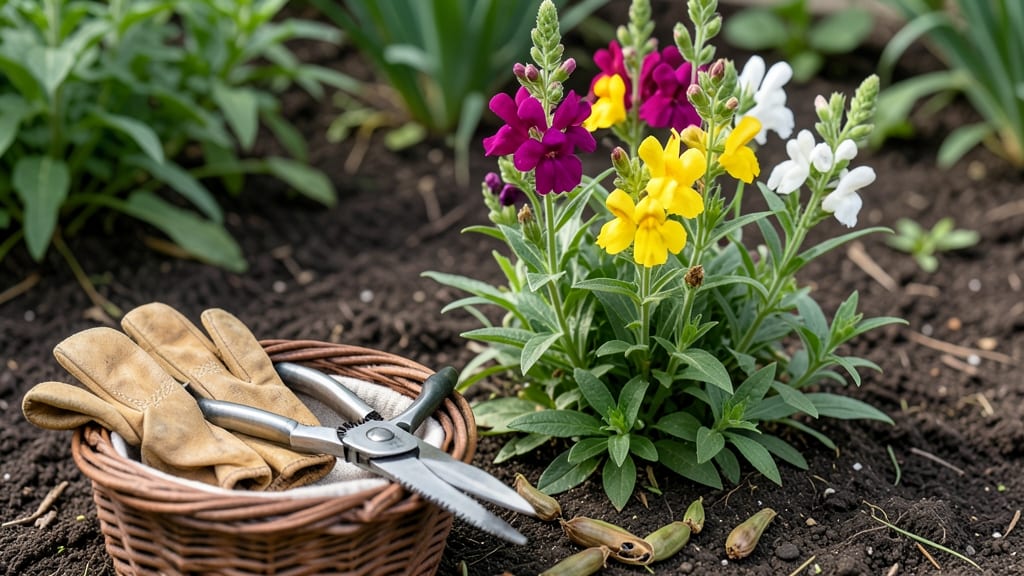
Harvesting snapdragons at the right moment transforms your garden from a pretty display into a bountiful source of fresh blooms for bouquets and seed pods.
Whether you're a seasoned gardener or just starting with these 🌸 beauties, timing is everything—cut too early, and you lose potential; wait too long, and the flowers lose their vibrancy.
Most gardeners in Zone 6a know the struggle: you plant your snapdragons in March or April, and by June, you're staring at a sea of color wondering, How do I get the most from this? The secret lies in knowing when the buds are ready—fully colored but not yet fully open—and using the right techniques to keep your plants thriving.
In this guide, I’ll walk you through the step-by-step process of harvesting snapdragons, from the best tools to use (spoiler: it’s not just any scissors) to how to store your cuttings for maximum vase life.
You’ll also learn when to leave those seed pods alone for next year’s crop, because even the best harvesters need to think ahead.
Ready to turn your snapdragon patch into a long-lasting source of beauty? Let’s dive into the exact techniques that’ll keep your plants happy and your bouquets stunning all season long.
Best time to harvest snapdragons for maximum blooms
Harvesting snapdragons at the right time ensures you get the most vibrant blooms while encouraging your plants to produce even more flowers.
The key is to pick them when they're fully open but still fresh—this usually happens in the morning after dew has dried but before the heat of the day sets in. Morning harvests also help preserve the flowers' vase life, keeping them looking fresh for days.
Snapdragons typically reach harvest readiness about 75 days after planting, depending on your climate and variety. In most regions, this falls between June and September, but cooler areas may extend the season into early fall.
Pay attention to your local frost dates—harvest before the first frost to avoid damaged plants or flowers.
🌸 Snapdragon Harvest Timeline
| Stage | Action | Notes |
|---|---|---|
| Early Bud | Leave alone | Bud is green, not ready |
| Fully Colored Bud | Harvest now | Best vase life, encourages regrowth |
| Open Bloom | Harvest or let set seed | Open flowers last 2-3 days in vase |
| Seed Pod | Leave on plant | Allow to dry for seed collection |
For the best results, harvest snapdragons when the buds are fully colored but haven't fully opened yet. This stage is ideal because the flowers will last longer in arrangements and the plant will quickly produce new blooms.
Look for buds that are upright and show slight separation between petals—this is your cue to grab your pruners!
If you're growing snapdragons for seed collection, wait until the flowers have fully bloomed and the seed pods begin to form. These pods will turn brown and dry out—once they're crispy to the touch, it's time to harvest them for next year's garden.
Seed pods typically form in late summer to early fall, depending on your growing zone.
Seasonal timing matters too. In warmer climates, you can harvest snapdragons almost year-round, while cooler regions should focus on late spring through early fall. If you're in Zone 6a or colder, plan to harvest before the first frost in October to avoid damaging your plants or losing your crop.
One pro tip: Deadhead spent blooms regularly to encourage continuous flowering. Simply pinch off or cut off the faded flowers just above a set of leaves. This redirects the plant's energy toward producing new buds instead of seed pods, giving you a longer harvest season.
For gardeners in containers or small spaces, harvesting snapdragons at the right time is even more critical. Since space is limited, you want to maximize both flower production and plant health. Aim to harvest about one-third of the blooms at a time to avoid over-stressing the plant.
Always use clean, sharp pruners to make clean cuts just above a leaf node. This prevents disease and encourages bushier growth. Avoid harvesting in the evening or after rain, as this can introduce moisture to the stems, shortening their vase life.
Finally, keep an eye on your snapdragons' overall health. If the plants look stressed or leggy, it might be time to scale back on harvesting and focus on nurturing their health. A well-cared-for snapdragon plant will reward you with continuous blooms all season long.
Best time to harvest snapdragons for maximum blooms
Timing is everything when harvesting snapdragons. The ideal harvest window is early morning after dew has dried but before the sun peaks. This ensures sturdy stems and vibrant petals, giving your bouquets the longest vase life.
Harvesting at this time also reduces stress on your plants, encouraging more blooms to develop.
Focus on harvesting when individual flower buds are fully colored but still partially closed. These buds will open within 24 hours, perfect for fresh cut arrangements. Look for deepened bud colors and slightly separated petals—this signals peak freshness without over-maturity.
Seasonally, late spring through early fall offers the best harvest opportunities. In USDA Zone 6a, aim for June through September when temperatures are mild. Avoid harvesting during heatwaves or extreme humidity, as these conditions can cause flowers to wilt faster.
| Stage | Harvest Signs | Best Time |
|---|---|---|
| Bud Stage | Fully colored, slightly open | Early morning |
| Full Bloom | Petals fully open but firm | Morning (for bouquets) |
| Seed Pods | Brown and dry | Late summer/fall |
For continuous harvests, space out your cuts by picking one-third of the blooms at a time. This prevents over-stressing the plant while maintaining a steady supply of fresh flowers. Always use clean, sharp pruners to avoid crushing stems or spreading disease.
If you're harvesting for seed saving, wait until the seed pods turn brown and begin to split open. Collect seeds in late summer or early fall, then dry them in a well-ventilated area for 1-2 weeks before storing in a cool, dark place for next year's planting.
Pro tip: Deadhead spent blooms regularly to redirect the plant's energy toward new growth. This simple step can extend your snapdragon's blooming season by 4-6 weeks, giving you more time to enjoy their beauty.