
How To
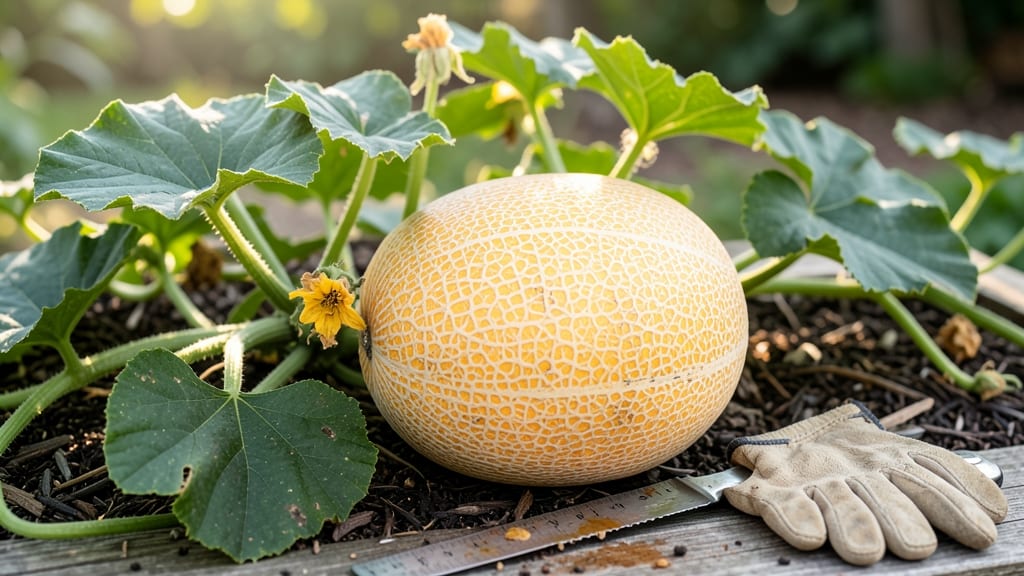
Knowing how to know if a cantaloupe is ready makes all the difference between a sweet, juicy reward and a disappointing, mealy mess. There's nothing worse than waiting too long and ending up with overripe fruit—or worse, cutting into one that's still hard and bland.
Most gardeners struggle with this because cantaloupes don't ripen well after picking, so timing is everything. The good news? With just three simple checks, you can tell when your cantaloupe is at its peak—no guesswork required.
I'll show you how to spot the perfect moment so you never miss it again.
From checking the stem to sniffing out that signature musky aroma, these ripeness cues work for cantaloupes grown in USDA Zone 6a or anywhere else. Whether you're harvesting in July or August, these tips will help you pick cantaloupes that burst with flavor every time.
Ready to become a cantaloupe expert? Let's dive into the easiest ways to test ripeness without cutting into your hard work—so you can enjoy that first sweet bite knowing you timed it perfectly.


3 Visual signs of a perfectly ripe cantaloupe
Mastering the art of picking a ripe cantaloupe starts with understanding its visual cues. Unlike some fruits that ripen off the vine, cantaloupes must be harvested at peak ripeness for the best flavor.
I’ve learned that three key visual indicators—stem color, rind texture, and aroma—can tell you exactly when to pluck your melon. Paying attention to these signs ensures you avoid both underripe (hard, bland) and overripe (mushy, seedy) fruit.
First, focus on the stem end near where the cantaloupe attaches to the vine. A ripe cantaloupe will have a brown, dry stem that detaches easily with a slight twist. This is your first green light—it signals the melon has fully matured.
If the stem is still green or firmly attached, the fruit needs more time on the vine. I always test this first because it’s the most reliable indicator.
The rind color is another game-changer. A perfectly ripe cantaloupe develops a creamy yellow or tan hue on the side facing the ground (the blossom end). Avoid melons with green patches—they’re not ready yet.
Pro tip: The rind should also feel slightly rough or netted to the touch, not smooth. This texture is a hallmark of ripeness and sweetness.
Don’t underestimate the power of aroma. A ripe cantaloupe releases a sweet, musky fragrance near the stem end when gently squeezed or sniffed. If you’re shopping at a store, this is your best clue—even if the rind looks good, a lack of scent means it’s not fully ripe.
I’ve made the mistake of buying cantaloupes that smelled bland only to find them disappointingly tart at home.
Here’s what to watch for in each stage:
- Underripe: Green stem, hard rind, no aroma
- Perfectly ripe: Brown stem, creamy yellow rind, sweet scent
- Overripe: Soft spots, fermented smell, wrinkled skin
Look for a brown, dry stem that slips off easily. Green or firm stems mean it’s not ready.
A ripe cantaloupe has a creamy yellow or tan rind with a rough, netted texture. Avoid smooth or green skin.
Sniff near the stem end—ripe cantaloupes emit a sweet, musky scent. No smell? It’s not ready.
One common mistake I see is relying solely on size. A cantaloupe’s weight or size doesn’t always correlate with ripeness—some varieties stay small even when fully ripe. Instead, combine these three visual checks for accuracy.
For example, a cantaloupe might look heavy but still have a green stem or no aroma, meaning it needs more time.
If you’re growing cantaloupes at home, I recommend harvesting in the morning when temperatures are cooler. This preserves the fruit’s natural sugars and makes it easier to spot the brown stem and creamy rind without missing subtle cues. Plus, morning harvests reduce the risk of overripening during hot afternoons.
For store-bought cantaloupes, these same rules apply. Skip the pre-cut samples if they lack aroma—they’re often picked early and forced to ripen artificially. Instead, grab a whole melon, give it a sniff, and check the stem.
Your nose and fingers will thank you later with a burst of sweetness in every bite.
Remember, cantaloupes don’t ripen further after picking, so timing is everything. Once you master these visual signs, you’ll never second-guess your cantaloupe selection again. Happy harvesting!
How to test cantaloupe ripeness without cutting it
Testing cantaloupe ripeness without cutting into the fruit is the best way to preserve its freshness and avoid waste. These simple tactile and visual checks will help you determine if your cantaloupe is ready to harvest—no knife required!
The key is focusing on the stem end, skin texture, and how the fruit responds to gentle pressure.
Start by examining the stem end—this is where the cantaloupe connects to the vine. A ripe cantaloupe will have a dry, brown stem that slips off easily when you give it a gentle tug.
If the stem is still green or firmly attached, the fruit needs more time on the vine. This is one of the most reliable indicators of ripeness.
Next, perform the thump test—this is a classic trick that works surprisingly well. Hold the cantaloupe in one hand and give it a firm but gentle thump with the other. A ripe cantaloupe will sound hollow or slightly dull, almost like a drum.
If it sounds solid, it's not ready yet. If it sounds too hollow or mushy, it may be overripe.
Check the skin texture near the stem end. Ripe cantaloupes develop a net-like pattern that becomes more pronounced as they ripen. The skin should also feel slightly softer when you press your thumb into it.
If the skin is still hard or lacks the netting, wait a few more days before harvesting.
Finally, give the cantaloupe a gentle squeeze near the blossom end (the opposite end of the stem). A ripe cantaloupe will yield slightly under pressure, almost like a ripe avocado.
If it feels rock-hard, it's not ready. If it feels too soft or squishy, it may be overripe and past its prime.
By combining these three simple tests—stem slip, thump test, and skin texture—you'll never second-guess whether your cantaloupe is ready to pick. These methods work for both store-bought and homegrown cantaloupes, making them essential tools for any gardener or shopper.