
How To
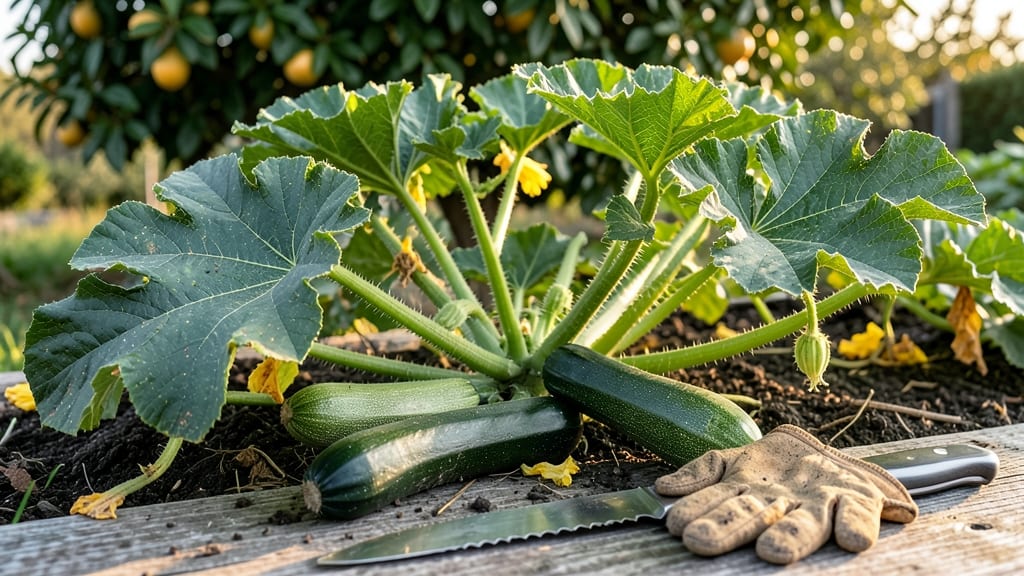
Knowing how to know if zucchini is ripe makes all the difference between a tender, flavorful vegetable and one that’s tough or bitter. That perfect moment arrives faster than you think, and missing it means sacrificing both taste and plant health.
Most gardeners assume bigger zucchini equals better, but that’s where they go wrong. The ideal harvest window is actually when your 🥒 reaches just 6-8 inches—not when it’s giant and woody.
I’ll show you the three foolproof visual cues that tell you it’s time to pick, so you never overlook that sweet spot again.
Think about it: a zucchini left too long on the vine doesn’t just lose flavor—it attracts pests and can even stress your plant. By learning these simple checks, you’ll transform your harvest from hit-or-miss to consistently perfect. Let’s dive into the secrets that’ll keep your garden producing like a pro.
Whether you’re a first-time gardener or a seasoned grower, these tips will help you avoid the most common mistakes. From stem color to skin texture, you’ll know precisely when to reach for those pruners—and why timing matters more than you realized.
3 Key visual signs your zucchini is ready to harvest
Zucchini grows fast, but knowing exactly when to pick it makes all the difference. Harvest too early, and you’ll miss the peak flavor; wait too long, and you risk bitter, seedy zucchini that’s past its prime.
The secret lies in three visual cues that reveal ripeness: color, size, and skin texture. Mastering these will transform your harvest from "meh" to "perfect every time."
First, let’s talk about the blossom end—the spot where the zucchini connects to the vine. When ripe, this area turns from bright green to yellow. This color shift signals the zucchini has reached its sugar peak.
I always check this first because it’s the most reliable indicator of ripeness. If the blossom end is still green, give it a few more days.
A ripe zucchini typically measures 6 to 8 inches long. This might seem like a small range, but it’s the sweet spot for flavor and texture. Smaller zucchini (under 6 inches) are tender but less flavorful, while larger ones (over 8 inches) become tough and seedy.
Use a tape measure or your hand as a quick reference—most adult hands span about 6 inches.
The skin texture is another game-changer. Press your thumb gently against the zucchini’s skin. If it feels firm but slightly yielding (like a ripe avocado), it’s ready.
Overripe zucchini will feel hard and woody, while underripe ones will feel rubbery. This test is especially useful when color or size alone isn’t enough to decide.
Here’s a pro tip: Harvest in the morning when temperatures are cooler. Zucchini skin can become softer in the heat, making it harder to judge ripeness accurately. Plus, morning harvests mean fresher zucchini for your kitchen or market.
Now, let’s address a common question: What if my zucchini is striped? Some varieties, like ‘Golden Zucchini’ or ‘Patio Star’, develop stripes as they ripen.
The stripes themselves aren’t a ripeness indicator, but the overall color intensity and size still apply. Always prioritize the blossom end and skin texture over stripes.
One mistake I see often is ignoring the stem’s flexibility. Give the zucchini’s stem a gentle bend near the blossom end. If it snaps cleanly, it’s ripe. If it resists, it needs more time. This trick works even for overcast days when color cues are harder to spot.
Finally, don’t overlook the seed development. While you’re focused on harvest time, the seeds inside are also maturing. Ripe zucchini have small, undeveloped seeds, which is ideal for eating.
If you’re saving seeds for next year, let a few zucchini grow larger (up to 10 inches) and develop fully plump seeds—but these won’t be as tasty.
Ready to put this into action? Grab your harvesting shears or a sharp knife, and start checking your zucchini plants daily during peak season. The more often you harvest ripe zucchini, the more your plants will produce!
-
1. Blossom End Color
🟡 Yellow (not green) signals ripeness -
2. Size Range
6-8 inches is the ideal harvest window -
3. Skin Texture
Firm but yielding when pressed with thumb
Timing your harvest correctly also boosts plant health. When zucchini reach maturity, they divert energy from producing more fruit to seed development. By picking ripe zucchini regularly, you encourage your plants to keep flowering and fruiting all season long.
This is especially true for bush varieties, which produce all their fruit at once.
Pro gardeners like me swear by a daily harvest routine during peak season (July-August in most zones). Set a reminder on your phone or tie it to another habit, like watering your garden.
Even 10 minutes a day spent checking zucchini pays off with a steady supply of sweet, tender produce. And if you’re growing multiple varieties, keep a small notebook to track which ones ripen fastest.
One last piece of advice: Don’t let zucchini sit on the vine overnight after they’re ripe. They can quickly become overripe, leading to tough skins and bitter flavors. If you’re not ready to cook them right away, store them in the fridge for up to a week.
But for the best texture and taste, aim to use them within 2-3 days of harvest.
Now that you’ve mastered the visual cues, you’re ready to enjoy homegrown zucchini at its peak! Whether you’re grilling, spiralizing, or baking, ripe zucchini delivers the best results. Happy harvesting! 🌱
3 Key visual signs your zucchini is ready to harvest
Zucchini ripeness is all about timing—harvest too early, and you’ll get bland, seedy squash. Wait too long, and the flesh turns tough and bitter. The secret lies in three visual cues: size, color, and skin texture.
Mastering these will transform your harvest from "meh" to "perfect for grilling or spiralizing."
Start with the blossom end (the stem end). When it turns from bright green to yellow, that’s your first green light. This shift signals the zucchini has stopped growing in length and is focusing energy on flavor development. I always check this first—it’s the most reliable indicator for me.
Next, examine the skin texture. A ripe zucchini’s skin should feel slightly firm but yield under gentle pressure—like pressing your thumb into a ripe avocado. If it springs back immediately, it’s underripe.
If it doesn’t give at all, it’s past its prime. This tactile check is non-negotiable for me; I refuse to harvest squash that feels like a rock.
Size matters just as much as color and texture. Aim for 6–8 inches in length—this is the sweet spot for zucchini flavor. Below 6 inches, the flesh is still developing and can taste watery.
Beyond 8 inches, seeds bulk up, and the skin thickens. I measure mine with a tape measure for accuracy, especially when teaching new gardeners.
Pro tip: Check the stem attachment. A ripe zucchini’s stem should snap cleanly when you bend it at a 90-degree angle. If it resists or tears, it’s not ready. This trick saves me from harvesting too early—no more mushy zucchini bread!
Finally, trust your sight and touch. Ripe zucchini have a uniform deep green color (no yellowing or dark spots) and a smooth, glossy skin. Overripe squash develop dull patches or soft spots—these are red flags.
I always harvest in the morning when the skin is coolest for the most accurate assessment.
Remember: Zucchini grow fast—check your plants every 2–3 days during peak season. The sooner you spot these cues, the sooner you’ll enjoy homegrown zucchini at its best. 🌱