
How To
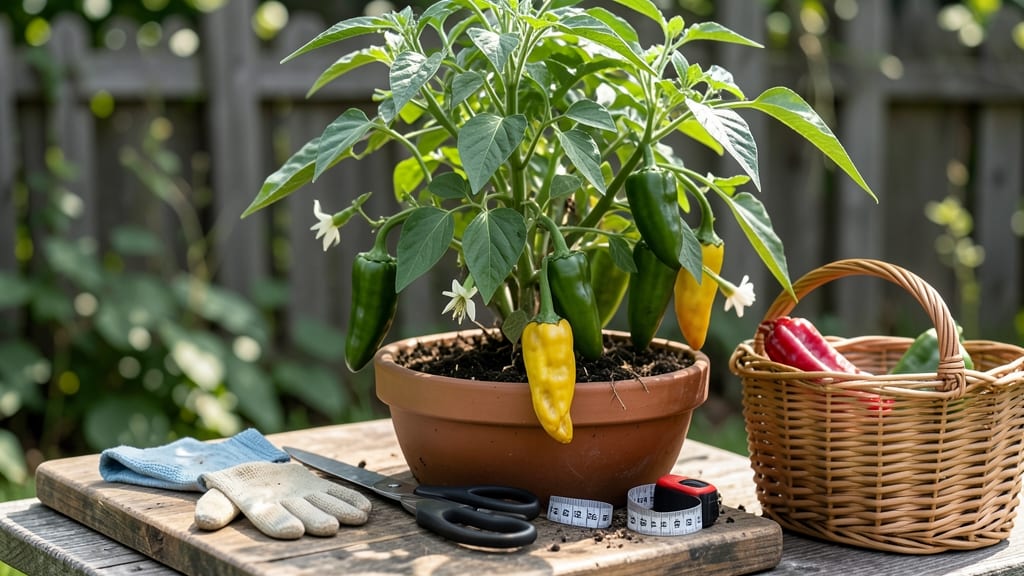
Knowing how to know when to pick a jalapeño can mean the difference between fiery, flavorful peppers and bland, underripe disappointments. If you've ever wondered why your homegrown 🌶️ peppers sometimes fall short of expectations, the answer likely lies in timing.
Jalapeños in USDA Zone 6a reach peak ripeness between July and October, but that doesn't mean you should wait until then to check. The key lies in subtle visual cues that most gardeners miss—like color shifts, firmness, and stem changes—that signal the perfect moment to harvest.
I've learned the hard way that picking too early means milder heat and thinner walls, while waiting too long can lead to overripe, bitter peppers. The good news? With just three simple checks, you can guarantee the best flavor and spice every time.
Let me show you how to spot those signs so you never miss another harvest window. Your next batch of jalapeños will thank you!
3 Visual signs your jalapeños are ready for harvesting
Jalapeños are ready to pick when they hit peak flavor and spice, but many gardeners miss the window by focusing on size alone. The truth? Color, texture, and stem condition are the real clues to harvesting at the perfect moment.
I’ve learned that even 3-inch jalapeños can be ready if they meet these key visual cues—don’t wait until they’re giant and tough!
First, pay attention to the stem end. When ripe, it turns from bright green to a yellowish-brown, almost like a tiny sunburn.
This change signals the pepper’s sugars and capsaicin (the compound that makes it spicy) are fully developed. Pro tip: If you see this color shift, grab your pruners—those peppers are ready now!
Next, check the skin’s glossiness. Mature jalapeños develop a slightly waxy sheen that’s easy to spot in good light. This isn’t just about looks—it’s a sign the pepper’s cell walls have thickened, locking in flavor. Dull or matte peppers? They’re not quite there yet.
Finally, give the pepper a gentle squeeze. Ready-to-harvest jalapeños feel firm but yield slightly under pressure—like a ripe avocado. If it’s rock-hard or mushy, it’s either too young or overripe. Texture is your best friend here!
Look for yellowish-brown at the stem end—this means capsaicin is peaking!
A waxy sheen means the pepper’s cell walls have matured for maximum flavor.
Press gently—ripe peppers should give just a little (not feel rock-hard or mushy).
Don’t overlook the size range either. While jalapeños can grow up to 5 inches long, they’re often ready at 3-4 inches if they meet the other signs. Bigger isn’t always better—overgrown peppers can become tough and lose their signature kick.
I’ve harvested 3-inch jalapeños with perfect heat levels, so size alone shouldn’t be your deciding factor.
Timing matters too. In USDA Zone 6a, jalapeños typically reach harvest readiness between July and September, but this depends on your planting date. If you started seeds early (after the last frost in April-May), you’ll likely see peppers sooner. Check plants weekly—ripe jalapeños won’t wait!
One common mistake? Waiting for peppers to turn red. While red jalapeños are sweeter and milder, they’re not always spicier. Green jalapeños at the right stage can pack just as much heat—so don’t dismiss them!
If you prefer red, leave a few on the plant until they fully ripen, but harvest the greens first for consistent spice.
Remember: Harvesting triggers more peppers to ripen. The more you pick, the more your plant will produce. So once you spot those yellowing stems and glossy skins, grab your shears and get harvesting—your future salsas will thank you!
How jalapeño size and texture affect spice levels
You might assume that bigger jalapeños always mean hotter peppers, but size isn’t the only factor influencing spice intensity. Instead, focus on texture, firmness, and seed development—these clues reveal when your jalapeños are at their peak heat potential.
Understanding these traits helps you avoid bland or underripe peppers, ensuring every harvest delivers that signature kick.
The size of a jalapeño does play a role, but not in the way you’d expect. While larger peppers often mature longer, their spice levels depend more on seed development and skin thickness than sheer size.
For example, a 3-inch jalapeño with fully developed seeds can pack more heat than a 5-inch pepper that’s still firm and underripe. Always check internal cues alongside size.
Texture is your best friend when gauging spice. A ripe jalapeño should feel firm yet slightly yielding when gently squeezed—like a ripe avocado. If it’s too hard, it’s underripe and lacks flavor; if it’s too soft, it’s overripe and may turn bitter. The ideal texture balances crispness and tenderness, signaling peak spice and sweetness.
Here’s how skin thickness and glossiness tie into heat levels. A ripe jalapeño develops a slightly waxy, glossy skin, especially when fully exposed to sunlight. Thinner skin often means the pepper has matured longer, allowing flavors to concentrate.
Conversely, thick, dull skin can indicate stress or uneven ripening, which dulls spice. Pay attention to these visual and tactile clues—they’re nature’s way of telling you when to harvest.
Don’t overlook the color shift from green to red, which signals a sweeter, fruitier flavor with slightly less heat. While green jalapeños are still delicious, leaving them on the vine longer until they turn deep red can enhance their complexity.
Just be cautious—overripe peppers may become rubbery or develop black seeds, ruining the harvest.
Pro tip: Harvest in the morning when peppers are cool and crisp. This preserves texture and spice intensity, making them ideal for fresh use or preserving.
If you’re unsure, pick a few peppers at different stages to taste-test—your palate will quickly learn what “perfectly ripe” feels like for your garden’s conditions.