
How To
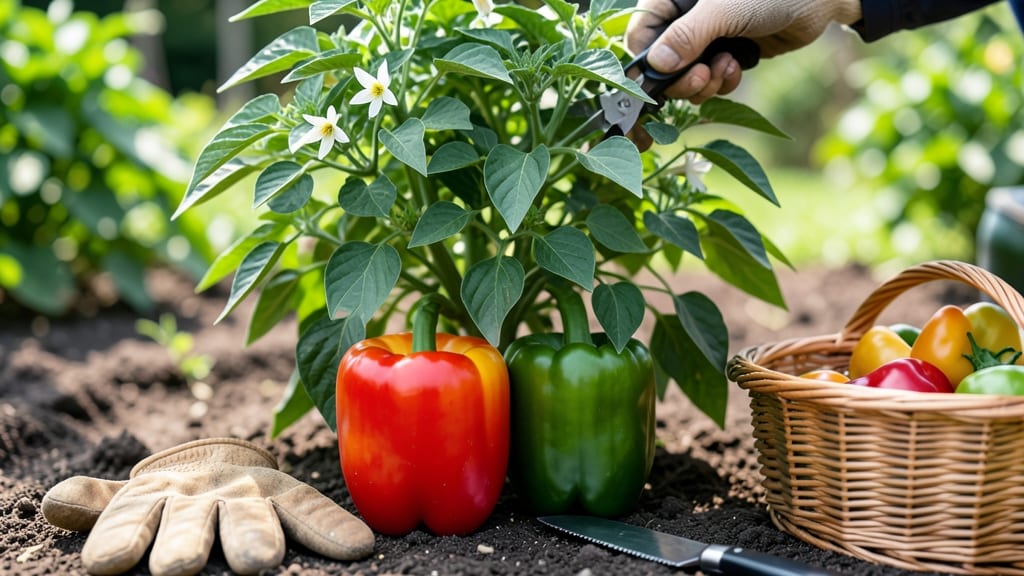
5 Color-coded ripeness stages of bell peppers (and when to pick each)
Bell peppers don’t ripen all at once—their journey from immature green to deep red or purple follows predictable stages, each with distinct color cues and harvest windows.
Understanding these 5 maturity stages ensures you pick peppers at peak flavor and texture, whether you’re growing sweet California Wonder or fiery Jalapeño varieties.
Color alone isn’t enough to judge ripeness—you’ll also need to check size consistency, skin firmness, and even the stem’s condition. For example, a red bell pepper might look ripe but feel mealy inside if left too long on the vine.
Let’s break down each stage so you never miss the perfect moment.
| Stage | Primary Color | Average Size | Flavor Profile | Best For | Pick When... |
|---|---|---|---|---|---|
| Immature Green | Deep glossy green | 3–5 inches | Mild, slightly bitter | Stuffing, frying | Firm to touch, no soft spots |
| Mature Green | Solid matte green | 4–6 inches | Sweeter, less bitter | Salads, grilling | Skin thickens, cap hardens |
| Yellow | Bright yellow | 5–7 inches | Sweet, slightly tangy | Stir-fries, roasting | Color uniform, stem browned |
| Orange | Deep orange | 6–8 inches | Rich, caramel-like | Stuffed peppers, soups | Firm, glossy skin |
| Red/Purple | Vibrant red/purple | 7–9 inches | Sweetest, most complex | Raw salads, sauces | Stem shriveled, deep color |
Pro tip: Sweet bell peppers like Bell Boy or Sweet Banana are best picked at their deepest color—waiting too long turns them mealy. Meanwhile, hot varieties (e.g., Cayenne) can be harvested green for milder heat or left to ripen for maximum spice.
Always check the stem’s condition: a slightly shriveled base means it’s ready.
Color isn’t the only clue—size consistency matters too. A pepper that’s 3–4 inches wide is typically mature, but some heirloom varieties (like Black Beauty) can grow larger. If you’re unsure, perform the firmness test: press your fingernail into the skin.
It should leave a slight dent but bounce back—no give means it’s underripe; too much give means it’s overripe.
One common mistake? Assuming all peppers on a plant ripen at once. Shade or uneven sunlight can cause patchy ripening—so check each pepper individually. For container-grown peppers, this is especially critical since space constraints can delay maturation. If you’re growing in US
3 Hidden signs your bell pepper is ready (beyond just color)
Most gardeners focus on color when deciding if a bell pepper is ready to pick—but color alone isn’t enough. The real clues lie in subtle physical changes that often go unnoticed.
I’ve learned these 3 hidden signs after years of growing my own peppers, and they’ve saved me from harvesting too early (or too late!).
First, pay attention to the stem separation. A ripe bell pepper’s cap should detach effortlessly when you gently twist it. If it resists, the pepper needs more time on the vine.
This is especially true for red and yellow varieties, which often require full maturity before they release easily.
The firmness test is my go-to method for avoiding mealy peppers. Press your fingernail into the skin—if it dents slightly but springs back, the pepper is perfect.
A rock-hard pepper means it’s underripe, while soft spots signal overripeness. This test works for all varieties, including heirloom and hybrid types.
Don’t overlook the plant’s behavior either. When a pepper nears ripeness, the plant often shows signs of stress near the fruit. Leaves may yellow or droop slightly as the pepper diverts nutrients.
I once missed this clue and picked a pepper too early—only to realize it could’ve stayed on the vine for another week to develop deeper flavor.
Pro tip: Check peppers in the afternoon when temperatures are warmer. The skin is firmer, making it easier to assess ripeness accurately. Avoid picking in the morning after dew, as moisture can weaken the pepper’s structure and lead to premature spoilage.
By combining these 3 hidden signs with color cues, you’ll never miss the perfect harvest window again. Trust me—your taste buds (and your dinner guests) will thank you for that crisp, flavorful pepper!