
How To
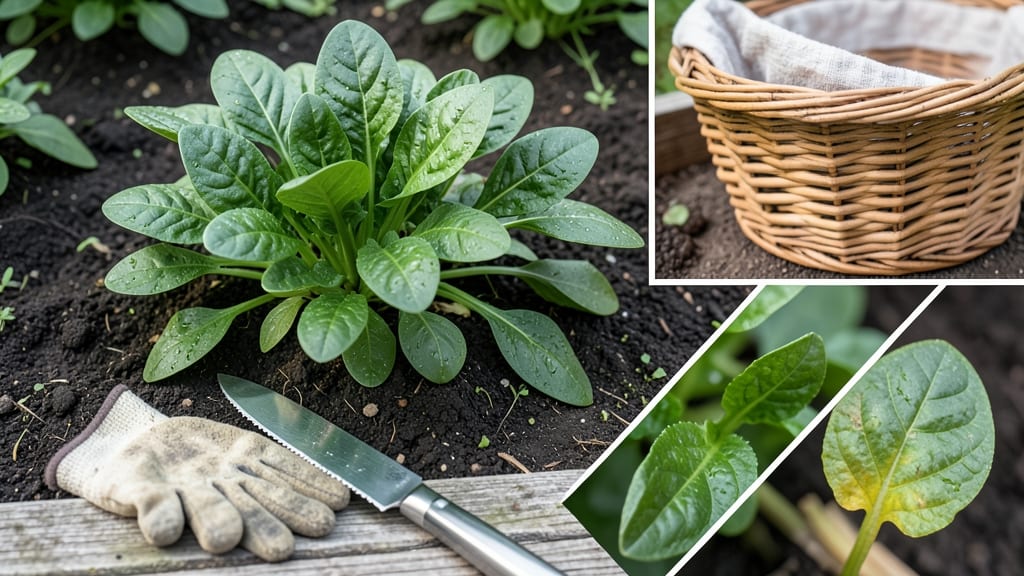
How to know when spinach is ready to harvest can turn a good crop into a fantastic one—or ruin it if you wait too long. That perfect moment arrives when your 🍃 spinach leaves hit 4–6 inches and boast a deep, vibrant green hue, signaling peak tenderness and flavor.
For beginners, this might sound tricky, but it’s all about simple visual cues: crisp texture, bright color, and stems that snap easily. Skipping these signs means tough, bitter leaves that even your favorite recipes can’t save.
Let’s break down the exact signals to watch for, so you never miss the window again.
Timing matters even more in spring and fall, when spinach thrives in cooler weather. Harvest too early, and you’ll get small, underdeveloped leaves; wait too long, and they’ll bolt or turn stringy.
The good news? With the right techniques, you can extend your harvest season and enjoy fresh spinach for weeks.
Ready to master the art of harvesting? I’ll walk you through the key visual clues, seasonal tips, and pro tricks to keep your spinach at its best—from salad-ready baby leaves to full-sized sautéing greens. Let’s get started!
Spinach leaf size and color: the exact visual signals to harvest
Spinach reaches peak harvest readiness when its leaves hit the perfect balance of size and color—but what does that actually look like? Baby spinach (ideal for salads) and mature spinach (great for cooking) have distinct visual cues.
For baby leaves, focus on bright green color and 2-3 inch lengths, while mature leaves should be 6-8 inches long with deep green hues. The key is avoiding the yellowing edges or woody texture that signals overripeness.
Start by checking the leaf edges for crispness. Run your thumb along the edge—if it feels slightly crisp but not brittle, it’s ready. Purple-tinged veins (common in varieties like 'Bloomsdale Long Standing') are normal and don’t affect harvest time.
However, if the entire leaf turns yellow or brown, it’s past its prime. Pay attention to the stem thickness too: tender stems snap easily, while thick, fibrous stems mean you’ve waited too long.
| Stage | Leaf Size (Approx.) | Leaf Color | Texture | Best For | Harvest Tip |
|---|---|---|---|---|---|
| Baby Leaf (4-6 weeks) | 2-3 inches long | Bright, uniform green (or purple for Malabar spinach) | Tender, slightly crisp | Salads, microgreens | Cut outer leaves first to encourage regrowth |
| Mature Leaf (6-8 weeks) | 6-8 inches long | Deep green (may have slight purple veins) | Slightly thicker but still tender | Stir-fries, sautéed dishes | Harvest entire plant or cut 1-2 inches above soil |
| Overripe (8+ weeks) | 8+ inches long | Yellowing edges, dull green | Tough, stringy | Compost or seed saving | Avoid—leaves become bitter and woody |
For baby spinach varieties like 'Baby’s Leaf Hybrid,' harvest when leaves are just 2-3 inches long.
These varieties are bred for early harvesting, so don’t wait for them to grow larger. Mature varieties, such as 'Giant Winter' or 'Tyee,' can handle slightly larger sizes (up to 8 inches) before they become tough.
Always prioritize leaf tenderness over size—if the leaves feel crisp and snap easily, they’re ready, regardless of their length.
One trick I use is the "thumb test": Gently pinch a leaf between your thumb and forefinger. If it feels soft and slightly resistant (like a fresh lettuce leaf), it’s perfect.
If it feels mushy or slimy, it’s overwatered or diseased; if it’s crunchy and dry, it’s past its prime. This simple test saves me from harvesting spinach that’s either too young or too old.
Color is your second best friend when harvesting spinach. Deep green leaves with vibrant veins indicate peak freshness, while yellowing or brown edges mean the leaf is aging. Some varieties, like 'Purple Prince,' develop purple hues when cold-stressed—this is normal and doesn’t affect harvest time.
However, if the entire leaf turns yellow, it’s a sign of nutrient deficiency or bolting (when the plant flowers prematurely).
Timing your harvest also depends on the time of day. Always pick spinach in the early morning when leaves are fully hydrated and crisp. Avoid harvesting in the midday heat, as the leaves can wilt quickly and lose their tender texture.
If you must harvest later in the day, place the spinach in a shaded, cool spot for a few hours before storing to preserve freshness.
Pro tip: If you’re growing spinach for a continuous harvest, focus on cutting the outer leaves first. This allows the inner leaves to keep growing while you enjoy a steady supply.
Just be sure not to remove more than one-third of the plant at once, or you’ll stunt its regrowth. For full harvests, cut the entire plant about 1-2 inches above the soil—the spinach will often regrow from the base, giving you a second chance for more leaves.
Seasonal variations also play a role in harvest timing. In cool spring or fall weather, spinach grows more slowly, so you might need to wait 6-8 weeks for mature leaves. In contrast, warm summer months can accelerate growth, so monitor your plants closely to avoid bolting.
If you notice tall flower stems forming, your spinach is bolting—this means it’s past its prime and should be harvested immediately or removed to prevent seed production.
Finally, don’t forget to rotate your harvests. If you’re growing multiple rows, start with the outer rows first and work your way inward. This prevents overcrowding and ensures all your spinach gets adequate sunlight and airflow, which are critical for tender leaves.
With these visual cues and tips, you’ll never miss the perfect harvest window again!
Spinach leaf size and color: the exact visual signals to harvest
Timing your spinach harvest correctly starts with understanding leaf size and color cues. Baby spinach leaves (2-3 inches) are perfect for salads, while mature leaves (6-8 inches) work best for cooking.
The color shift from bright green to deep green with purple veins signals peak tenderness. Overripe leaves turn yellow or dull, with tough textures that ruin flavor.
For baby leaf spinach, harvest when leaves reach 2-3 inches long and maintain a uniform bright green hue. These young leaves are packed with nutrients and ideal for microgreens or salads. Use clean scissors or pruning shears to cut just above the soil line to encourage regrowth.
Mature spinach leaves (6-8 inches) develop a deeper green color with slight purple veins. The texture should remain tender, not fibrous. These leaves are perfect for sautéing or stir-fries. If you're growing Malabar spinach, look for purple-tinged leaves—they're just as tender when harvested at this stage.
| Stage | Leaf Size (Approx.) | Leaf Color | Texture | Best For | Harvest Tip |
|---|---|---|---|---|---|
| Baby Leaf (4-6 weeks) | 2-3 inches long | Bright, uniform green (or purple for Malabar spinach) | Tender, slightly crisp | Salads, microgreens | Cut outer leaves first to encourage regrowth |
| Mature Leaf (6-8 weeks) | 6-8 inches long | Deep green (may have slight purple veins) | Slightly thicker but still tender | Stir-fries, sautéed dishes | Harvest entire plant or cut 1-2 inches above soil |
| Overripe (8+ weeks) | 8+ inches long | Yellowing edges, dull green | Tough, stringy | Compost or seed saving | Avoid—leaves become bitter and woody |
Watch for yellowing edges or dull green leaves, which signal overripe spinach. These leaves develop a tough, stringy texture that's unpleasant to eat. If you notice flower buds forming on stems, your spinach is bolting—this means it's past its prime for harvesting.
Remove bolting plants immediately to redirect energy to other leaves.
To test tenderness, gently snap a leaf stem. If it breaks cleanly without resistance, it's ready. If the stem feels fibrous or woody, wait a few more days. Remember, consistent harvesting encourages continuous regrowth, so don't wait until all leaves are mature at once.
For continuous harvests, cut the outer leaves first while leaving the inner leaves to grow. This method keeps your spinach productive for weeks longer than a single harvest. Always use clean tools to prevent disease spread between plants.