
How To
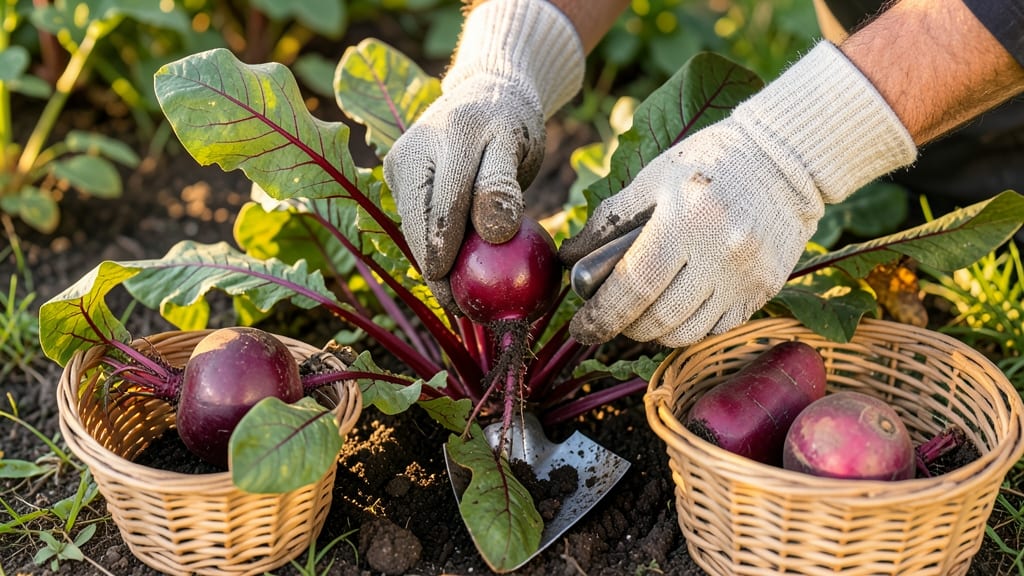
How to know when to pick beets can turn a perfect harvest into a disappointing one—if you wait too long, you’ll end up with tough, woody roots instead of tender, sweet gems. The key lies in watching for subtle visual cues that tell you the moment is right, and I’ve got the inside scoop on what to look for.
Most gardeners focus on root size, but the leaves and soil can reveal even more about your 🍠’s readiness. For example, a deep, vibrant color in both the roots and foliage isn’t just pretty—it’s a sign your beets are packed with flavor.
I’ll walk you through the 3 must-check signs that guarantee you’ll pull them from the ground at their peak.
Timing isn’t just about size—soil temperature and weather play a huge role too. Beets mature faster in warm conditions, but drought or extreme heat can stress them, altering their taste.
Whether you’re growing in Zone 6a or another region, I’ll show you how to adjust your harvest schedule for the best results every time.
Ready to go from guessing to knowing? By the end of this, you’ll confidently spot the ideal moment to harvest—whether you’re after baby beets or full-sized roots—so you can enjoy the sweetest, most flavorful harvest possible.
3 Visual cues to determine when beets are ready for harvest
Timing your beet harvest is all about balancing size, color, and texture. Skip the guesswork by learning these three foolproof visual cues—each one tells you exactly when your beets are at their peak for eating fresh, storing, or preserving.
First, pay attention to the root diameter. Ideal harvest size ranges from 1 to 3 inches across. Beets smaller than 1 inch will be underdeveloped, while roots larger than 3 inches often become tough and woody.
Use a ruler or your fingers to check—think of a golf ball for baby beets and a softball for mature ones.
Next, observe the leaf color and growth. Healthy beet greens should be dark green and vigorous, with leaves reaching 4 to 6 inches tall. If the leaves start yellowing or wilting, it’s a sign the beet has bolted or is stressed—meaning it’s past its prime for harvest.
Finally, test the soil resistance with a gentle touch. Press your thumb lightly into the soil near the beet’s crown. If the root gives slightly (like a ripe tomato), it’s ready. If it feels rock-hard or shrinks back, wait a few more days—it’s not quite there yet.
- Root Size: 1–3 inches in diameter (golf ball to softball size).
- Leaf Health: Dark green and 4–6 inches tall.
- Soil Test: Root yields slightly when pressed (not rock-hard).
One common mistake is waiting too long for larger roots, which can turn woody and lose sweetness. I once left my beets in the ground for 80 days, and they were inedible—a lesson learned!
For the best flavor, aim to harvest when roots are 1.5 to 2.5 inches in diameter.
Don’t overlook the color consistency of your beets. Whether you’re growing red, gold, or striped varieties, the hue should be uniform and deep. Pale or striped roots often indicate uneven growth or stress, which can affect taste. A vibrant color means your beets are ready to enjoy!
If you’re unsure whether to harvest, try the "twist test". Gently grasp the beet’s greens and twist. If the root comes out cleanly with minimal resistance, it’s ready.
If it feels glued to the soil, give it another week or two. This method works especially well for loose, sandy soil.
For longer storage, harvest beets slightly smaller (1 to 2 inches) and store them in a cool, dark place. Larger roots (2.5+ inches) are best eaten fresh within a week. Remember, beets continue to sweeten slightly after harvest, so don’t rush—patience pays off in flavor!
Finally, keep an eye on the weather forecast. If a hard frost is expected within 3–5 days, harvest your beets early, even if they’re not perfectly sized. Frost can turn roots mushy or bitter, ruining your harvest. When in doubt, harvest sooner—you can always store them!
3 Visual cues to determine when beets are ready for harvest
Beets are ready to harvest when they balance size, color, and texture—but spotting the perfect moment takes practice. Overlooking these visual cues can turn sweet, tender roots into tough, woody messes.
Let’s break down the three key signs to watch for, so you never miss the ideal harvest window.
First, focus on the root diameter. Ideal harvest size ranges from 1 to 3 inches across, depending on your variety. Baby beets (like ‘Babybeat’ or ‘Detroit Dark Red’) are perfect at 1 inch, while larger varieties (like ‘Chioggia’) taste best at 2 to 3 inches.
If roots feel firm and small, they need more time in the soil.
Next, check the leaf color. Healthy beet greens should be vibrant and deep green, not yellowing or wilting. If leaves are sparse or pale, your beets may be struggling—either from nutrient deficiency or drought stress.
However, if leaves start to bolt (flower), your beets have already passed their prime.
Finally, test the root resistance with a gentle touch. Press lightly on the soil near the beet. If the root yields slightly (like a ripe tomato), it’s ready.
If it feels rock-hard, it’s underripe. Conversely, if the skin resists pressure like a wooden dowel, it’s overripe and past its peak.
Root Diameter: 1–3 Inches
Baby beets: 1 inch | Mature beets: 2–3 inches. Measure with a ruler or compare to a quarter coin for quick checks.
Leaf Color: Deep Green & Lush
Avoid harvesting if leaves are yellowing or bolting. Healthy greens mean the root is storing maximum sweetness.
Soil Resistance: Slight Give
Press near the root—if it gives slightly, it’s ready. If it’s rock-hard, wait; if it’s woody, it’s too late.
Timing your harvest also depends on the variety. For example, ‘Golden Beet’ varieties mature faster (around 40 days) than ‘Bulls Blood’ (up to 70 days). Always check seed packets for days-to-maturity guidelines, but trust your eyes and fingers for the final call.
One common mistake? Harvesting during hot afternoons. Beets are most tender in the morning when soil is cool. If you must pick later, store harvested beets in a shady, cool spot for a few hours before cooking to preserve texture and flavor.
Pro tip: If you’re unsure, dig up one test beet from the outer rows. Cut it open—if the center is deeply colored and tender, the rest are ready. If it’s pale or fibrous, wait a few more days.