
How To
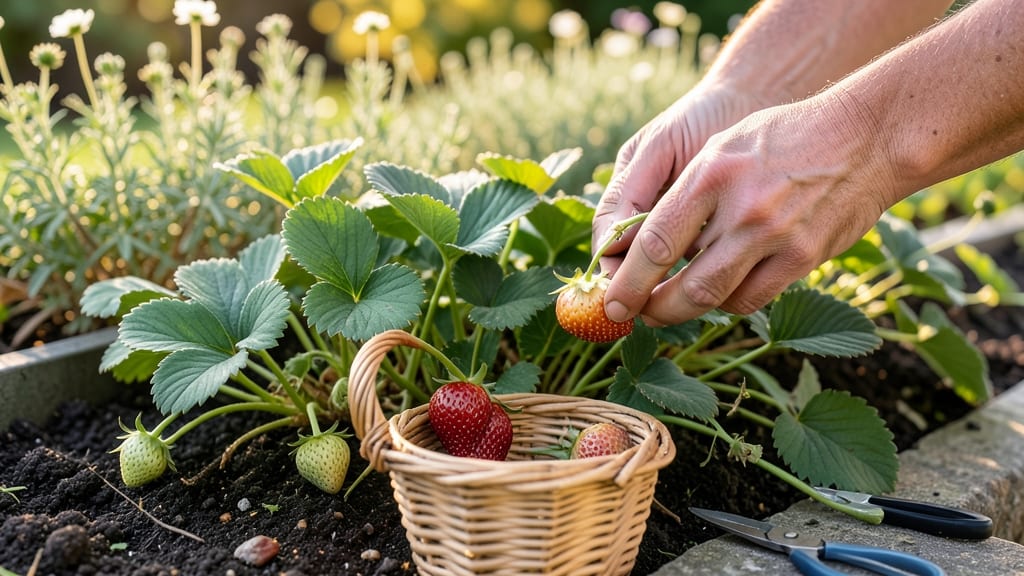
How to know when to pick a strawberry can turn a mediocre harvest into a sweet, juicy victory—if you time it right. That perfect moment isn’t just about color; it’s about texture, flavor, and even the time of day you pluck them.
Most gardeners assume strawberries are ready when they’re bright red, but varieties like Alpine or Pineberry ripen to yellow or white. The real test? A gentle tug—if the berry detaches cleanly, it’s ready. And morning picks are sweeter because overnight sugars concentrate.
In USDA Zone 6a, June and July are prime picking months, but don’t wait too long. Overripe strawberries turn mushy and lose their vibrant taste. I’ll show you the subtle cues that guarantee perfectly ripe berries every time.
Whether you’re harvesting for fresh snacks or preserving jam, these tips will help you avoid the common mistakes that turn great strawberries into bland disappointments. Let’s get started!


3 Visual cues to identify perfectly ripe strawberries
Strawberries ripen quickly, so knowing the exact moment to pick ensures peak flavor and texture. The key lies in three simple but critical visual cues: color, texture, and stem separation.
Each clue works together to confirm ripeness—ignore one, and you risk picking berries that are either underripe or overripe. Let’s break down what to look for when inspecting your strawberries.
First, focus on the color change. Most strawberries, like Jewel or Chandler varieties, turn a deep, uniform red when fully ripe. Albion or Seascape strawberries may stay lighter, often yellow or pale pink.
If any green remains, the berry needs more time on the vine. This cue alone can save you from picking bland, underdeveloped fruit. Always compare berries side by side to spot subtle color differences.
Next, check the texture with a gentle touch. A ripe strawberry feels plump and slightly soft—like pressing a ripe peach. If it’s rock-hard, it’s too early; if it’s mushy or leaking juice, it’s overripe.
Pay attention to the size-to-weight ratio: ripe berries feel heavier for their size because they’re fully hydrated. This tactile check is especially useful for everbearing varieties, which produce fruit in multiple flushes.
Now, test the stem separation, the most foolproof method. Gently grasp the berry between your thumb and forefinger and give it a slight twist. If the stem snaps cleanly at the base (not pulling up the whole fruit), it’s ready to pick.
This indicates the berry has fully detached from the plant’s nutrients, signaling peak ripeness. If the stem resists, leave it—it’s not ready yet.
- 🔴 Color: Fully variety-specific color (no green). Example: Chandler = deep red, Albion = pale yellow.
- 🤏 Texture: Plump and slightly soft to touch, heavy for size. Avoid mushy or firm berries.
- ✂️ Stem Test: Stem snaps cleanly when twisted—no resistance or pulling.
Timing matters too—especially for June-bearing varieties, which produce one massive harvest. If you miss the window, berries on the plant will overripe quickly, attracting pests like birds and fruit flies.
For everbearing or day-neutral varieties, like Seascape, check berries every 2-3 days during peak season (late spring to early fall). Pro tip: Use a small white tray under plants to spot ripe berries hiding in foliage.
Don’t overlook the shape and shine of the berry. Ripe strawberries have a slight glossy sheen and smooth, rounded edges. If they look dull or wrinkled, they’re past their prime. This is where experience helps—compare a ripe berry to an unripe one side by side.
Over time, you’ll train your eye to spot the subtle differences that separate garden-fresh perfection from store-bought mediocrity.
Seasonal factors also play a role. In hot climates, strawberries ripen faster and may need picking every 1-2 days. In cooler regions, like USDA Zone 5, berries mature more slowly, so check less frequently.
Always harvest in the morning when temperatures are lowest—this preserves flavor and prevents bruising during transport. Avoid picking after rain, as wet berries bruise easily and spoil faster.
Finally, trust your taste buds when in doubt. If you’re unsure, pick a few berries and sample one. A ripe strawberry should be sweet with a slight tartness, not sour or mealy. This hands-on approach works best for heritage varieties like Honeoye, which often have unique flavor profiles.
Remember: the best strawberries are those picked at the peak of ripeness, not a day earlier or later.
Mastering these three cues—color, texture, and stem separation—will transform your strawberry harvest from hit-or-miss to consistently delicious. Start with these basics, and soon you’ll be picking berries with the confidence of a seasoned gardener. Happy harvesting! 🍓
3 Visual cues to identify perfectly ripe strawberries
Timing your strawberry harvest correctly ensures the sweetest flavor and best texture. Unlike many fruits, strawberries don’t ripen after picking, so knowing the exact moment to harvest is crucial.
The key lies in observing three visual and tactile cues that signal peak ripeness. These cues work for all strawberry varieties, from classic June-bearing types to everbearing and day-neutral plants.
First, focus on the color of the strawberry. A ripe strawberry should be fully colored—no green should remain at the calyx (leafy top). For red varieties, this means a deep, even red hue. Yellow or gold varieties should be uniformly golden.
A berry that’s still partially green or white at the top is underripe and will lack sweetness. Pay close attention to the shoulders of the berry, where color often changes first.
Next, check the texture and firmness of the strawberry. Gently press the berry with your thumb—it should feel plump and slightly soft but not mushy. An overripe strawberry will feel squishy and may leak juice when pressed.
If the berry feels hard or rock-like, it’s not ready to pick yet. This tactile test is especially important for day-neutral varieties, which produce fruit throughout the season and can easily become overripe if left too long on the plant.
No green at the calyx; deep, even color throughout
Yields gently when pressed; not hard or mushy
Stem snaps off easily at the base without tearing
The third and most foolproof cue is the stem separation test. Gently grasp the strawberry between your thumb and forefinger and give it a slight upward tug. If the berry is ripe, the stem will snap cleanly at the base, leaving a small bump where it was attached.
This indicates the berry is ready to pick. If the stem resists or tears the fruit, it’s not ripe yet. Conversely, if the berry detaches too easily (without tugging), it may be overripe and prone to spoiling quickly.
For everbearing and day-neutral varieties, which produce fruit in multiple flushes, timing is even more critical. These plants often have a mix of ripe, near-ripe, and unripe berries on the same plant.
Prioritize picking the fully ripe ones first to encourage the plant to focus energy on ripening the remaining fruit. Use a pair of clean scissors or pruners to avoid damaging the plant, especially if you’re harvesting frequently.
Morning is the best time to pick strawberries because the fruit is cooler and firmer, reducing bruising. Avoid harvesting after rain or late in the day, as wet berries are more prone to rot and mold.
Once picked, store strawberries in the refrigerator for up to 3-5 days to maintain freshness. If you’re not ready to eat them immediately, freeze them whole or sliced for later use in smoothies, jams, or baked goods.
Mastering these three cues—color, texture, and stem separation—will transform your strawberry harvest from hit-or-miss to consistently delicious. The next time you’re in your garden, take a moment to inspect your berries closely.
You’ll soon develop an instinct for knowing exactly when to pick for the perfectly ripe strawberry every time. 🍓