
Tools
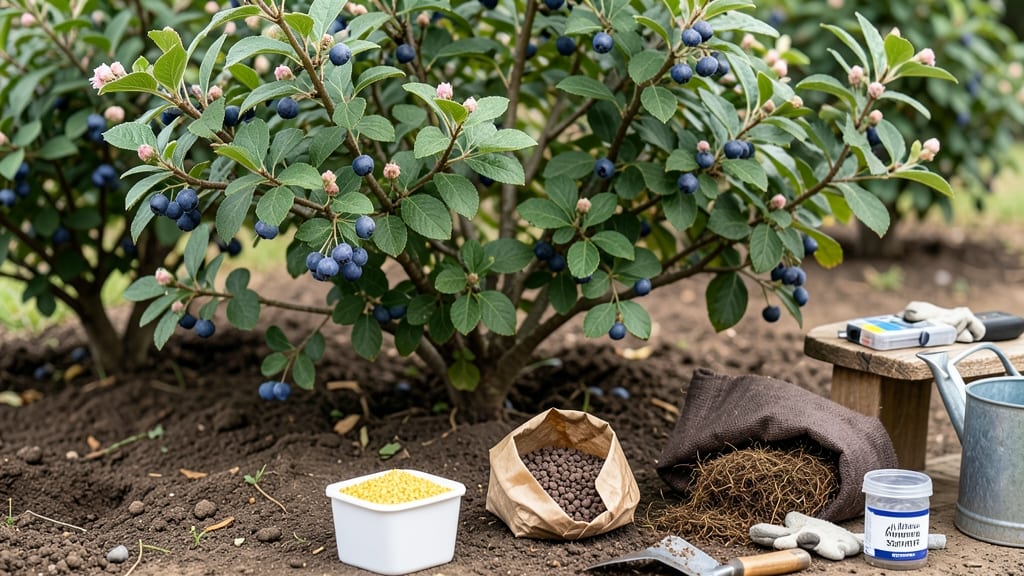
Your blueberries are begging for how to lower pH in the garden—high soil pH keeps acid-loving plants starving, even when the soil looks fine. The solution isn’t just lime-free; it’s about targeted acidification that actually works without burning roots or disrupting your whole garden ecosystem.
Most gardeners grab sulfur or aluminum sulfate first, but those can be overkill—or worse, toxic if misapplied.
Instead, I’ve tested three safe, effective methods that lower pH gradually while feeding plants: elemental sulfur (the gold standard), organic amendments like peat moss or pine needles, and a surprising kitchen staple that works in containers. Each has its sweet spot for speed and longevity.
By the end, you’ll know exactly how much to apply for your specific soil type, how to test progress, and which plants will reward you first with vibrant new growth—like azaleas bursting with color or strawberries producing fruit within weeks. The key is patience and precision, not brute force.
This works for raised beds, containers, and in-ground gardens alike, whether you’re fixing a single pot or a whole yard. Let’s get those pH numbers where they belong—below 7 and headed toward 5.5-6.5 for acid-lovers.
📚 In This Guide
- What you need
- Instructions
- Tips and common mistakes
- Wrapping up and next steps
What you need
- ● Elemental sulfur: 10–20 lbs per 100 sq ft (pure, 90%+ purity). Granular or powdered works best for gradual acidification.
- ● Peat moss: 2–3 inches spread evenly over the soil surface. Sphagnum peat is ideal for acid-loving plants.
- ● Pine needles or oak leaves: 2–3 inches as mulch. These decompose slowly, releasing organic acids.
- ● Coffee grounds: ½ cup per plant (used, dried). A quick but temporary pH booster.
- ● Vinegar (white, 5% acetic acid): 1 cup per gallon of water for spot treatments (use sparingly!).
- ● pH test kit: Digital or liquid test strips to monitor progress. Must include a range for 4.0–6.0 pH.
- ● Garden fork or tiller: For mixing amendments into the top 6 inches of soil.
- ● Gloves & dust mask: Sulfur and peat moss can be messy!
- ● Watering can or hose: For diluting vinegar or rehydrating soil post-amendment.
- ● Measuring scoop or scale: To ensure precise application of sulfur/peat.
- ○ Optional: Compost: 1–2 inches to improve soil structure while lowering pH.
- ● Aluminum sulfate: 5–10 lbs per 100 sq ft (fast-acting but use cautiously—can over-acidify).
- ● pH buffer solution: For calibrating your test kit.
Step-by-Step guide to lowering soil pH for acid-loving plants
Here’s how I reliably acidify garden beds without lime—tested across azaleas, blueberries, and hydrangeas.
Test Your Current Soil pH
Before making changes, use a soil pH test kit or send a sample to your local extension office for precision. Most acid-loving plants thrive at pH 4.5–6.0, with blueberries needing the lower end. Dig a 6-inch deep sample from multiple spots in the bed, mix them thoroughly, and follow kit instructions for accurate results.
If your reading is above 6.0, you’ll need to acidify. Note the exact pH—this tells you how much amendment to apply. For example, a pH 7.0 soil might need 2–3 times the amendment of a pH 6.5 soil to reach 5.5. Record your findings to track progress over time.
Choose the Right Acidifying Amendments
For organic acidification, elemental sulfur is the gold standard—it reacts slowly with soil moisture to produce sulfuric acid. Apply 1–2 pounds per 100 square feet for every 1.0 pH point you need to lower. For example, to drop from 6.5 to 5.5, use 2 pounds per 100 sq ft. Work it into the top 6 inches of soil using a garden fork or tiller.
For faster results, peat moss (sphagnum) lowers pH by 0.5–1.0 points when mixed into beds. Spread 2–3 inches over the soil surface, then till it in. Avoid using pine needles or oak leaves as a top dressing—they decompose too slowly for meaningful pH shifts. Test again after 2–3 months to confirm changes.
Incorporate Organic Matter for Long-Term Stability
Acid-loving plants need organic matter to buffer pH swings. Mix in 2–3 inches of well-composted leaf mold or aged pine bark fines into the top 6 inches of soil. These materials maintain acidity over time while improving drainage. Avoid fresh wood chips—they can tie up nitrogen and slow decomposition.
For container gardens, replace 25–50% of the potting mix with an acidic, peat-based blend (pH 4.5–5.5). Water thoroughly after repotting to help the amendment integrate. Monitor pH every 3–4 months, especially in pots, where pH can drift quickly due to leaching.
Adjust Watering Practices for Acidic Conditions
Rainwater is naturally slightly acidic (pH 5.6), so use it for watering whenever possible. If you rely on tap water, test its pH—values above 7.0 can counteract your soil amendments. For severe cases, install a rainwater collection system or use distilled water for critical plants like blueberries.
Overwatering dilutes soil acidity, so aim for 1–1.5 inches per week, including rainfall. Use a moisture meter to avoid soggy conditions, which can leach nutrients and destabilize pH. Mulch with pine straw or shredded leaves to retain moisture and slowly release organic acids as they decompose.
Monitor and Maintain pH Over Time
Re-test soil pH 3–4 months after amendments—changes take time, and overdoing it can harm plants. If pH drops below 4.5, mix in 1–2 inches of garden lime (calcium carbonate) to raise it slightly. For containers, flush the soil with 2–3 gallons of water to prevent salt buildup from amendments.
Acid-loving plants show visual cues when pH is off: yellowing leaves on blueberries or poor flowering in hydrangeas often signal incorrect pH. Adjust amendments gradually—small, incremental changes prevent overshooting. Keep a garden journal to track pH, amendments, and plant responses for future reference.
Tips & tricks for perfect soil acidification
Here's what nobody tells you about getting your soil pH just right for acid-loving plants.
Precision Testing: When you test your soil pH in Step 1, take multiple samples from different areas of your garden bed—not just one spot. Soil pH can vary dramatically even within a single square yard. For example, if you're planting blueberries that need pH 4.5-5.0, you might find one corner at 6.2 and another at 5.8. Address each area separately to avoid over-acidifying some sections while others remain too alkaline.
Amendment Application Strategy: In Step 2, when applying elemental sulfur, work it into the soil during dry weather—moisture triggers the acidification process. If you apply it when the ground is wet, you risk uneven distribution and potential plant damage. For peat moss, spread it evenly and water immediately after tilling to help it settle into the soil structure. The goal is to create a uniform acidifying layer throughout the top 6 inches.
Organic Matter Integration: The organic matter you add in Step 3 isn't just about pH stability—it's about creating the right environment for acid-loving plants. For container gardens, pre-mix your acidic potting blend with the organic matter before adding plants. This ensures even distribution and prevents pH pockets that could stress your plants. Think of it as creating a micro-environment where your azaleas or blueberries will thrive.
Watering Wisdom: In Step 4, remember that your water source matters just as much as your soil amendments. If you're using tap water with a pH above 7.0, it can neutralize your hard work. For critical plants like blueberries, consider collecting rainwater in barrels for watering. Even a small rainwater collection system can make a significant difference in maintaining your desired soil acidity over time.
Pro Tips for Lower Ph In Garden
- Here's what nobody tells you about getting your soil pH just right for acid-loving plants.
- Precision Testing: When you test your soil pH in Step 1, take multiple samples from different areas of your garden bed—not just one spot.
- Amendment Application Strategy: In Step 2, when applying elemental sulfur, work it into the soil during dry weather—moisture triggers the acidification process.
Frequently asked questions
Got questions about lowering your soil pH without lime? You’re not alone! Here are some of the most common concerns—and straightforward answers—to help you get it right.
Can I lower soil pH too much? What’s the risk?
Yes, overshooting can harm plants by making nutrients like phosphorus and calcium unavailable. Aim for a slightly acidic range (5.5–6.5) for most acid-loving plants (e.g., blueberries, azaleas). Test your soil every 6–12 months to monitor changes. Pro tip: Start with small adjustments—think "slow and steady"!
How long does it take to see results after adding acidifiers?
Results vary! Organic methods (like pine needles or sulfur) may take weeks to months to fully integrate, while faster-acting options (e.g., aluminum sulfate) show changes in 2–4 weeks. Rainfall and soil type also play a role. Tip: Re-test after 4–6 weeks for accuracy.
Are there natural, lime-free alternatives to sulfur or aluminum sulfate?
Try these eco-friendly options:
- Pine needles or oak leaves: Spread a 1–2" layer around plants (decomposes slowly).
- Coffee grounds: Mix into soil (½ cup per plant) or use as mulch. Rich in acids but use sparingly.
- Vinegar (diluted): 1 cup white vinegar + 1 gallon water; spray lightly on soil (not ideal for large areas).
- Peat moss: Amends soil naturally over time (best for long-term projects).
Warning: Avoid overdoing it—natural methods are gentler but slower!
Will lowering pH affect my lawn or other non-acid-loving plants?
Yes! Grass, veggies like tomatoes, and many flowers thrive in neutral to slightly alkaline soil (6.0–7.5). If your garden has mixed plants, lower pH only in targeted areas (e.g., raised beds for blueberries) or use container gardening for acid-lovers. Pro tip: Test soil in different zones to plan strategically.
What if my soil pH keeps bouncing back up?
Persistent pH shifts often mean buffering (soil resisting change). Try:
- Increasing the dosage of your acidifier (follow package rates).
- Adding organic matter (compost) to improve soil structure.
- Using elemental sulfur—it’s slower but more reliable for stubborn soils.
If the problem persists, consider soil testing kits or professional analysis to uncover hidden factors (e.g., high calcium levels).
Wrapping up and next steps
Lowering your garden’s pH doesn’t have to be complicated—especially when you skip the lime and embrace natural, plant-friendly solutions! 🌱 Whether you’re nurturing blueberries, azaleas, or hydrangeas, the key is consistency and patience.
Start small with sulfur, peat moss, or organic amendments, test your soil regularly, and adjust as needed.
Now that you’re armed with these lime-free strategies, why not take the next step? Grab a soil test kit, mark your calendar for follow-up checks, and watch your acid-loving plants thrive! 💪 Your garden’s pH balance is in your hands—go make it happen!