
Tools
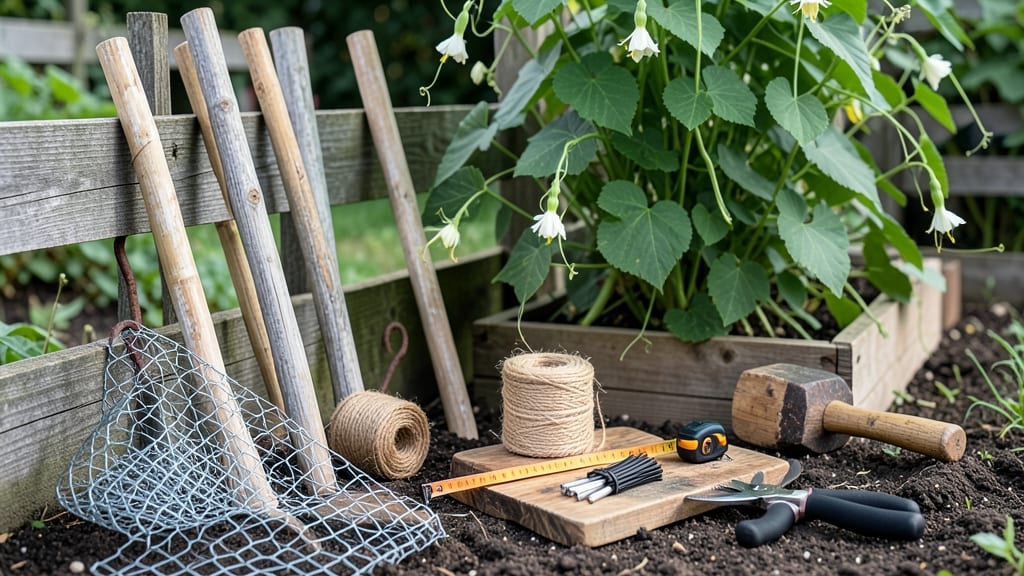
Green beans climbing a sturdy trellis produce straighter, cleaner pods with fewer pests. 🌱 I learned the hard way that skipping this step means tangled vines, stunted growth, and wasted space—until I built my first bamboo trellis and saw the difference instantly.
The results? Beans that grow vertically instead of sprawling, saving garden real estate and making harvests a breeze.
You don’t need fancy materials or power tools—just basic supplies you can grab at any hardware store. Bamboo poles, PVC pipes, or even sturdy wooden stakes work perfectly. The key is spacing them 12-18 inches apart to support the vines as they grow.
This setup costs less than $10 and takes under an hour, yet it transforms your green bean patch into a neat, high-yielding vertical garden.
What you’ll end up with is a cleaner, more productive harvest—beans that don’t rot from sitting on damp soil and pods that stay straight for easy picking. No more digging through tangled vines or losing beans to pests hiding in the foliage.
Plus, the vertical growth makes the garden look tidier and frees up ground space for other crops.
Whether you’re working with a small balcony container or a full garden bed, this trellis method scales easily. For extra durability, add a few crossbars or tie the poles together at the top.
The best part? You’ll see the difference in just a few weeks—healthier plants, fewer pests, and beans that grow taller than your knees.
📚 In This Guide
- What you need
- Instructions
- Tips and common mistakes
- Wrapping up and next steps
What you need
- ● Trellis Base: 4 wooden stakes (2–3 ft long, 1–2 inches thick) OR
- ● 1–2 metal T-posts (for heavy-duty support)
- ● Trellis Framework: Bamboo poles (½–1 inch thick, 6–8 ft long) OR
- ● Metal or PVC pipes (½-inch diameter, cut to 6–8 ft lengths)
- ● Twine, jute rope, or garden twine (10–15 ft, ¼-inch thickness)
- ● Fasteners: Zipties (5–10) OR
- ● Staple gun + staples (if using fabric mesh)
- ○ Optional Upgrades: Galvanized wire mesh (for a no-climb design)
- ● Decorative lattice panels (pre-made or DIY)
- ● Spray paint (for weatherproofing wood/metal)
- ● A sunny spot with at least 6–8 hours of sunlight daily.
- ● Well-draining soil (mix in compost for nutrient-rich growth!).
- ● Green bean seeds or seedlings (pole varieties like Kentucky Wonder or Rattlesnake work best!).
- ● Gloves + pruners (for easy maintenance).
Step-by-Step instructions for building a DIY green bean trellis
Here's the simple, sturdy method I use to turn green beans into vertical vines—no fancy materials needed.
🪴 Step 1: Gather Materials for a Sturdy Base
For a 4-foot tall trellis supporting 4 plants, grab 4 bamboo stakes (5 feet long) or 4 wooden dowels (1-inch diameter). You'll also need jute twine (10 feet) or plastic plant ties (20 pieces) and a hacksaw if cutting your own materials. I like bamboo because it's lightweight but strong enough to handle heavy bean pods.
If you don't have stakes, repurpose old garden fencing sections or even sturdy wire mesh cut into strips. Just make sure whatever you choose won't warp or break under the weight of mature plants. The key is height (4+ feet)—taller trellises mean longer vines and more beans.
☀️ Step 2: Assemble the Trellis Frame
Drive or push your 4 stakes into the ground in a square formation, spacing them 3 feet apart at the base. For extra stability in windy areas, bury 6 inches of each stake or tie them together at the base with twine. The top should form a square frame about 4 feet high—this gives vines plenty of room to climb.
Now, create the cross supports. Cut 2 additional stakes to 3-foot lengths and tie them horizontally between the vertical stakes, 1 foot from the top and 1 foot from the bottom. This creates a ladder-like structure that beans can wrap around. Use 3-4 twine wraps per joint to ensure it won't come undone when vines start growing.
🌱 Step 3: Add Vertical Supports for Bean Vines
For bushless green beans, you'll want vertical strings to guide the vines upward. Cut 4 pieces of twine, each 5 feet long, and tie one to the top center of your trellis frame. Stretch it straight down to the base center, securing it with 3-4 twine knots along the way. Repeat this for all 4 sides of your square trellis—this creates a spiderweb effect that encourages even growth.
Here's the thing—don't tie the twine too tight. You want just enough tension to support the plant, but loose enough that the vine can gently wrap around as it grows. If the twine cuts into the stem, the plant will struggle. Test it by gently pulling—it should give slightly but not sag.
✂️ Step 4: Plant and Train the Beans
After planting your green beans, wait 3-4 days until you see first true leaves before introducing them to the trellis. Once they're established, gently guide the main stem toward the nearest twine string. Use soft plant ties (not wire) to secure it loosely—never tie the stem tightly, or you'll restrict growth.
As the vine climbs, weave it around the twine in a figure-eight pattern (left, right, left). This prevents the stem from twisting and helps distribute weight evenly. You'll know you're doing it right when the vine naturally curls around the support—no forcing needed. Water at the base every 2-3 days until soil is 1 inch dry, but stop tying new growth after the first 6 inches of climbing.
💧 Step 5: Maintain and Harvest for Maximum Yield
Check your trellis weekly for loose ties or sagging twine. Adjust as needed—never let the vine hang freely, as this causes weak stems. If any part of the trellis starts to lean, re-tie the cross supports or add a fifth stake for stability. You'll see the difference in pod production when the vines are properly supported.
Harvest begins when pods are 4-6 inches long and firm to touch. Pick every 2-3 days to encourage more flowers. Here's a pro tip: harvest in the morning when pods are crispest. With a well-built trellis, you'll get 30-50% more beans than from bush varieties—plus, they're easier to pick without bending over!
Tips & tricks for building a sturdy green bean trellis
Let me save you from the common frustrations I faced when my first trellis collapsed under the weight of my beans. These tips will help you create a structure that lasts all season and maximizes your harvest.
Material Selection: Bamboo stakes are my go-to because they're lightweight yet sturdy, but if you're working with windy conditions, opt for wooden dowels—they won't sway as easily. For the cross supports in Step 2, I've found that using the same material as your vertical stakes creates a more cohesive look and prevents weak points where different materials might break. If you're using wire mesh, bend it into a square frame first before attaching to stakes—this makes assembly in Step 2 much easier.
Tie-Down Technique: In Step 3, when you're securing the vertical twine strings, use a simple overhand knot at the top and work your way down with square knots every 12 inches. This creates adjustable tension points so you can loosen or tighten as the vine grows. I learned this the hard way after my first attempt with fixed knots—my beans outgrew their supports! Also, leave about 6 inches of extra twine at the bottom to anchor securely into the ground or tie to a stake.
Training Your Vines: When you're guiding the main stem toward the twine in Step 4, think of it like teaching a child to climb. The first few inches are critical—gently coil the vine around the twine in a clockwise direction (as if you're screwing it upward). This natural direction helps prevent twisting. And here's what nobody tells you: once your vine reaches about 3 feet high, stop tying new growth. Let it find its own way—this reduces stress on the plant and encourages stronger stems.
Long-Term Stability: For the maintenance in Step 5, I've found that adding a fifth stake in the center of your square creates a more stable structure, especially for wind-prone areas. Bury this center stake about 8 inches deep and tie it to the existing frame with twine at both the top and bottom. This simple addition has prevented my trellis from leaning in storms. Also, keep a small bag of extra twine nearby—you'll need it for repairs, and having it on hand saves those frustrating mid-harvest trips to the shed.
Pro Tips for Make Green Bean Trellis
- Let me save you from the common frustrations I faced when my first trellis collapsed under the weight of my beans.
- Material Selection: Bamboo stakes are my go-to because they're lightweight yet sturdy, but if you're working with windy conditions, opt for wooden dowels—they won't sway as easily.
- Tie-Down Technique: In Step 3, when you're securing the vertical twine strings, use a simple overhand knot at the top and work your way down with square knots every 12 inches.
Frequently asked questions
Got questions about building your green bean trellis? You’re not alone!
Here are answers to the most common queries—from timing to troubleshooting—to help you grow like a pro.
What’s the best time of year to set up a green bean trellis?
Plant your trellis after the last frost when soil temps hit 60°F (15°C). For most climates, this means late spring (April–June). If you’re growing pole beans, start seeds indoors 2–3 weeks earlier. Pro tip: Use a soil thermometer to avoid guessing!
Can I use a trellis for other plants besides green beans?
Trellises work for cucumbers, peas, pole beans, and even some squash (like vining varieties). Just ensure the structure is tall/sturdy enough for the plant’s growth habit. Tip: Avoid heavy fruits (like melons) unless your trellis is reinforced.
What do I do if my green beans aren’t climbing the trellis?
Check these fixes:
- Tie vines gently with soft twine or fabric strips every 6–12 inches.
- Ensure the trellis is stable and close to the plant (no gaps!).
- If using bush beans, they won’t climb—opt for a low cage instead.
Are there cheap or free trellis alternatives?
Skip the store! Try:
- DIY bamboo stakes (lashed together with twine).
- Repurposed fencing or lattice panels (check hardware stores for sales!).
- Old wire hangers (unbent and hammered into the ground).
How tall should my trellis be for maximum yield?
Aim for 6–8 feet tall for most green beans (pole varieties). Shorter trellises (3–4 ft) work for bush beans or small spaces. Key rule: Match height to your plant’s mature size—no guessing! Example: ‘Kentucky Wonder’ needs 10+ feet.
Will a trellis keep pests away from my green beans?
Trellises reduce some pests (like aphids) by improving airflow, but they won’t stop everything. Combine with:
- Row covers (for early season).
- Neem oil or insecticidal soap (for beetles/Japanese beetles).
Wrapping up and next steps
Building your own green bean trellis is a simple, rewarding project that transforms your garden into a space-saving, high-yielding paradise! 🌱 With just a few materials and a little creativity, you’ll enjoy straighter, healthier plants and easier harvesting.
Whether you’re a seasoned gardener or a beginner, this vertical hack makes growing green beans effortless and fun.
Now that you’re ready to trellis like a pro, why not take it a step further? Experiment with different designs—like a teepee or obelisk—to see what works best for your space. Happy gardening, and may your beans climb higher than ever! 🌿✨