
Size
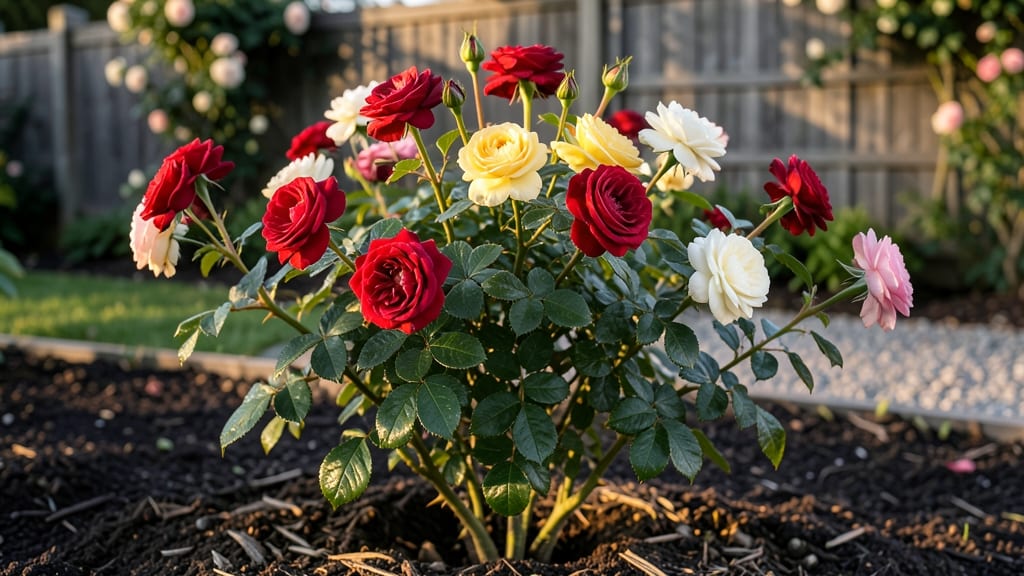
Sunlight and soil hold the secret to roses that reach for the sky. 🌻 I’ve watched my own roses grow from stubborn little shoots to towering bushes covered in blooms—it’s all about giving them what they really need, not just what you think they should get.
The magic starts with 6+ hours of direct sun daily and soil so rich it feels like velvet when you dig in. Most beginners overwater or underfeed, but roses aren’t fussy—they’re demanding.
They’ll tell you what they need if you listen: wilted leaves mean thirst, yellowing foliage means poor drainage, and sparse blooms mean they’re hungry for nutrients.
By summer’s end, you’ll have roses that dwarf store-bought plants, with blooms so abundant your neighbors will ask for cuttings. The key? Pruning at the right time, feeding with compost tea, and protecting them from pests without chemicals. It’s not rocket science—just consistent care.
Whether you’re starting from seeds, bare-root plants, or cuttings, this method works. The first year builds the foundation; by year two, your roses will be the showstopper of the garden. Let’s get those blooms growing tall.
📚 In This Guide
- What you need
- Instructions
- Tips and common mistakes
- Wrapping up and next steps
What you need
- ● Rose plants: Bare-root roses (1–5 plants, depending on garden size)
- ● OR Potted roses (1–3 plants, 3–5 gallons per container)
- ● OR Rose seeds (for hybridizing or heirloom varieties)
- ● Soil: Well-draining, fertile soil (pH 6.0–6.5)
- ● Compost or aged manure (1–2 bags, 5–10 lbs each)
- ● Garden loam or topsoil (1–2 cubic yards)
- ● Fertilizer: Balanced rose fertilizer (10-10-10 or 5-10-5, 5–10 lbs)
- ○ Optional: Slow-release granules or organic options (fish emulsion, bone meal)
- ● Planting tools: Garden trowel or spade
- ● Pruning shears (sterilized)
- ● Grafting knife (if propagating from cuttings)
- ● Mulch (2–3 inches of shredded bark or straw)
- ● Epsom salt (for magnesium boost, 1 tbsp per plant monthly)
- ● Rose food or bloom booster (liquid or granular)
- ● Support stakes or trellis (for climbing roses, 6–8 ft tall)
- ● Drip irrigation system or soaker hose (for consistent watering)
- ● Pest control (neem oil, insecticidal soap, or companion plants like marigolds)
Tips & tricks for perfect rose cultivation
Here's what nobody tells you about growing roses that'll transform your garden from ordinary to extraordinary.
Sunlight Strategy: That 6-8 hours of direct sunlight isn't just a suggestion—it's non-negotiable for towering blooms. I've seen roses in partial shade produce half the blooms and grow half as tall. If your yard only gets 4-5 hours of sun, choose disease-resistant varieties like 'Knock Out' roses that tolerate less light. For maximum impact, position your rose bushes where they'll get morning sun (which dries dew quickly) and at least 2-3 hours of afternoon sun.
Soil Science Secret: The 50-50 mix of native soil and compost in Step 3 isn't just about nutrients—it's about creating the perfect drainage while retaining moisture. I've found that adding a handful of perlite or coarse sand to this mix prevents compaction, which is crucial in heavy clay soils. Test your soil's drainage by digging a hole, filling it with water, and seeing how long it takes to drain—roses need this to happen within 2 hours.
Watering Wisdom: When I first started growing roses, I thought 1-2 inches per week meant a quick sprinkle every few days. Wrong! The key is deep watering (6-8 inches down) that encourages roots to grow downward. Use a trowel to check moisture—if the soil 2 inches down feels dry, water again. I've found that watering in the early morning (before 10 AM) prevents fungal diseases by allowing foliage to dry quickly.
Pruning Precision: Cutting back to 1/3 of the cane's height in Step 5 might seem drastic, but this is what creates those dramatic vertical blooms. Make your cuts just above an outward-facing bud—this directs growth outward and upward. I always sterilize my pruners with rubbing alcohol between cuts to prevent spreading disease. For the first year, I avoid heavy pruning entirely and just remove dead wood to establish the plant's structure.
Pro Tips for Make Roses Grow
- Here's what nobody tells you about growing roses that'll transform your garden from ordinary to extraordinary.
- Sunlight Strategy: That 6-8 hours of direct sunlight isn't just a suggestion—it's non-negotiable for towering blooms.
- Soil Science Secret: The 50-50 mix of native soil and compost in Step 3 isn't just about nutrients—it's about creating the perfect drainage while retaining moisture.
Frequently asked questions
Got questions about growing roses? You’re not alone—even expert gardeners have their fair share! Here are some of the most common queries, answered in a pinch to help you cultivate those dreamy blooms.
How long does it take for roses to grow from seeds?
Patience is key! Most rose seeds take 6–12 months to sprout and another 2–3 years to mature into blooming bushes. Hybrid roses (like those from cuttings) may flower faster—sometimes within a single season—but heirloom varieties require more time. Start seeds indoors in early spring for a head start!
Why aren’t my roses blooming?
No flowers? Don’t panic—it’s usually one of these fixes: Not enough sunlight (6+ hours daily), pruning at the wrong time (wait until late winter/early spring), or over-fertilizing with nitrogen (which fuels leaves, not blooms). Try a balanced bloom booster (like 10-10-10) and deadhead spent flowers to encourage more blooms.
What’s the best temperature for growing roses?
Roses thrive in moderate climates but have some flexibility: Ideal range: 60–75°F (15–24°C) during the day, with nights above 50°F (10°C). Too hot? Mulch to retain moisture. Too cold? Protect young plants with burlap or frost cloth—roses hate sudden freezes! Zone 5–9 is perfect for most varieties.
Can I grow roses in containers? What’s the best pot size?
Dwarf or miniature roses are ideal for containers, but even standard roses can thrive if potted correctly. Use a minimum 15-gallon pot (20+ gallons for climbers) with drainage holes. Mix potting soil + compost and repot every 2–3 years to refresh nutrients. Place pots where they get morning sun + afternoon shade in hot climates.
How do I keep pests like aphids or Japanese beetles off my roses?
Pests hate these tricks: Spray with water to knock off aphids. Introduce ladybugs (natural predators!). For beetles, try neem oil or kaolin clay. Prevention tip: Prune for airflow and remove infested leaves immediately. Aphids love new growth, so monitor tender shoots closely!
Wrapping up and next steps
Growing towering, vibrant roses is all about patience, the right conditions, and a little love—but the results are so worth it! 🌹 By mastering sunlight exposure, nurturing the soil, and following proper care steps, you’ll soon be rewarded with lush blooms that steal the show. Remember: healthy roots = happy roses!
Now that you’re armed with the secrets, roll up your sleeves and get planting! Start with just one rosebush, experiment with these techniques, and soon you’ll be the proud gardener behind a stunning rose garden. Happy growing! 🌱✨