How To
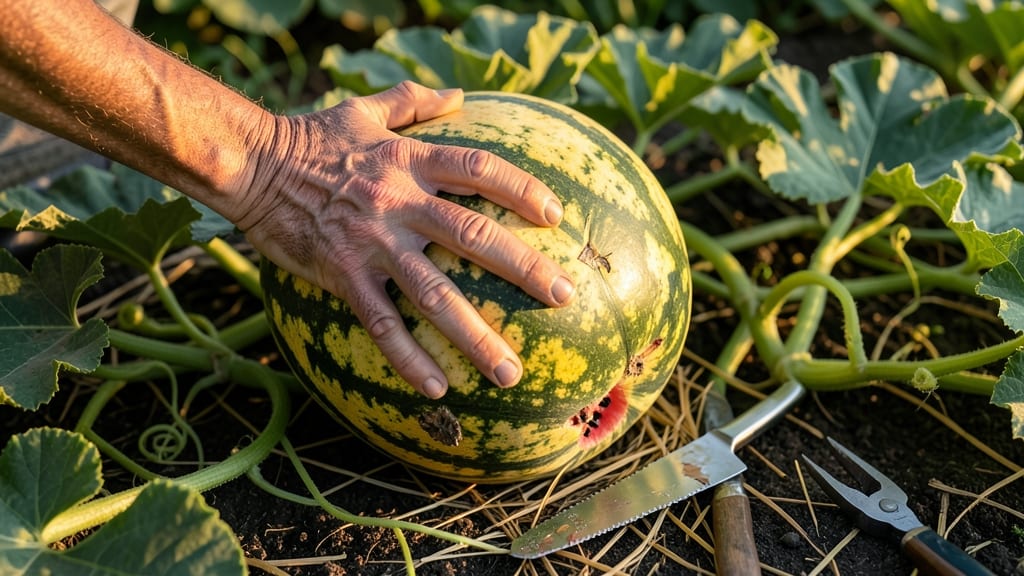
Picking a ripe yellow watermelon can feel like a guessing game—until you know the secret visual cues that reveal sweetness without cutting it open. Unlike their red-fleshed cousins, these golden varieties don’t follow the same ripeness rules, making it easy to walk away with a mealy disappointment.
But with just three simple field tests, you’ll confidently spot the perfect one every time, whether you’re at the farmers’ market or your own garden.
The key starts with the rind: a ripe yellow watermelon’s skin should be deep, consistent in color (no dull patches), and slightly waxy to the touch. Skip the "thump test" you’d use on red watermelons—yellow varieties have thinner rinds, so a hollow sound doesn’t guarantee sweetness.
Instead, focus on the underside’s cream-colored blush and the vine’s health, where a browned tendril near the stem is your green light.
Texture is your next clue. A ripe yellow watermelon feels heavy for its size and resists gentle pressure near the blossom end (no denting!). If it’s light or gives way easily, it’s underripe.
And here’s a pro tip: yellow watermelons often ripen faster in warmer climates like USDA Zone 6a, so time your harvest between late July and September for peak flavor.
Ready to stop second-guessing? I’ll walk you through these field-proven tricks—no knife required—to pick a watermelon so sweet, it’ll make you forget red ever existed. Let’s get started.
3 Proven field tests to identify sweet yellow watermelons
Yellow-fleshed watermelons like Yellow Charentais or Yellow Crenshaw ripen differently than classic red varieties, making traditional tests unreliable. The thump test won’t work the same way, and rind color shifts aren’t as clear-cut.
Instead, focus on these three field-tested methods tailored for yellow watermelons that predict sweetness without cutting them open.
First, check the vine’s attachment point. Unlike red watermelons, yellow varieties often show ripeness when the stem begins to dry and pull away slightly from the vine.
A fully detached stem means it’s past prime, but a partially dried, brownish stem signals peak ripeness. This is your first clue that the sugar development is optimal.
Next, use the weight-to-size ratio test. A ripe yellow watermelon feels heavy for its size because it’s packed with water and sugars. Lift it in your hands—if it feels light or hollow, it’s underripe.
Pro tip: Compare two melons of similar size; the heavier one is almost always sweeter.
Finally, inspect the underside (ground spot). For yellow watermelons, this area should turn a creamy yellow or pale beige when fully ripe. If it’s still white or green, the melon needs more time.
A dull, matte finish on this spot also indicates ripeness, while a shiny surface suggests it’s not ready.
| Test Method | What to Look For | Why It Works for Yellow Watermelons |
|---|---|---|
| Stem Inspection | Partially dried, brownish stem that pulls away slightly | Yellow varieties ripen slower; stem drying indicates sugar peak |
| Weight-to-Size Ratio | Feels heavy for its size | High water/sugar content = denser fruit |
| Underside Color | Creamy yellow or pale beige, dull/matte finish | Yellow flesh develops from ground spot; color shift = ripeness |
For an extra layer of confidence, combine these tests with a gentle thump. Tap the watermelon with your knuckles—ripe yellow watermelons produce a deep, hollow sound, while underripe ones sound dull. Avoid pressing too hard, as yellow rinds are thinner than red varieties and can bruise easily.
If you’re shopping at a farmers' market, ask when the melons were harvested from the vine. Yellow watermelons often ripen 2-4 days after harvest, so those picked yesterday may still need time.
Look for vendors who harvest in the morning and sell within 24 hours—they’re more likely to offer ripe fruit.
One common mistake is assuming a darker rind means riper fruit. Yellow watermelons often have lighter rinds even when fully ripe. Instead, focus on the underside color and the stem’s condition, as these are the most reliable indicators for yellow-fleshed varieties.
Pro farmers also recommend smelling the blossom end. A ripe yellow watermelon will have a sweet, honey-like aroma near the stem. If it smells neutral or musty, it’s not ready. This scent test works best in warm weather when the melons are fully mature.
Remember, yellow watermelons ripen more slowly than red varieties, so patience is key. If you’re growing your own, mark the harvest date on your calendar and recheck every 2-3 days once the melons reach 70% of their expected size.
This gives you the best chance to catch them at peak sweetness.
🌱
How to spot yellow watermelon ripeness by color and texture
Yellow watermelons like Yellow Charentais or Crenshaw varieties ripen differently than classic red ones. Their cream-colored rinds and lighter flesh make traditional tests unreliable. Instead, focus on field-specific cues that predict sweetness without cutting open the fruit.
First, examine the underside of the watermelon. A ripe yellow watermelon will show a cream or pale yellow patch where it rested on the ground. This indicates full maturation and sugar development. Skip the thump test—yellow varieties often sound dull even when ripe.
🌱 Key Takeaway: Ripeness Clues for Yellow Watermelons
- Underside color: Cream or pale yellow
- Rind texture: Firm, not soft
- Weight: Heavy for its size
- Stem: Dried and browned
Yellow watermelons rely on visual cues more than sound. Their sugar content develops internally, so focus on field signs like vine health and ground discoloration.
Next, check the rind hardness. Press your fingernail into the skin—if it doesn’t puncture, the watermelon is likely ripe. Yellow varieties often have softer rinds than red ones, so don’t confuse firmness with toughness. A ripe yellow watermelon should feel slightly yielding but not mushy.
Pay attention to the vine and stem. The curly tendril near the stem should be brown and dry, while the stem itself may separate slightly from the vine. Unlike red watermelons, yellow varieties don’t always thump hollow, so rely on these physical signs instead.
Finally, compare the size and weight. A ripe yellow watermelon feels heavy for its size because it’s packed with juice and sugar. If it feels light or hollow, it’s underripe. This is especially true for smaller varieties like Yellow Crenshaw, which mature faster than larger types.
Remember, yellow watermelons don’t follow red watermelon rules. Their sugar content develops differently, so trust color, texture, and vine cues over traditional thump tests. With these tips, you’ll always pick a sweet, ripe yellow watermelon—no knife required!