
Container Gardens
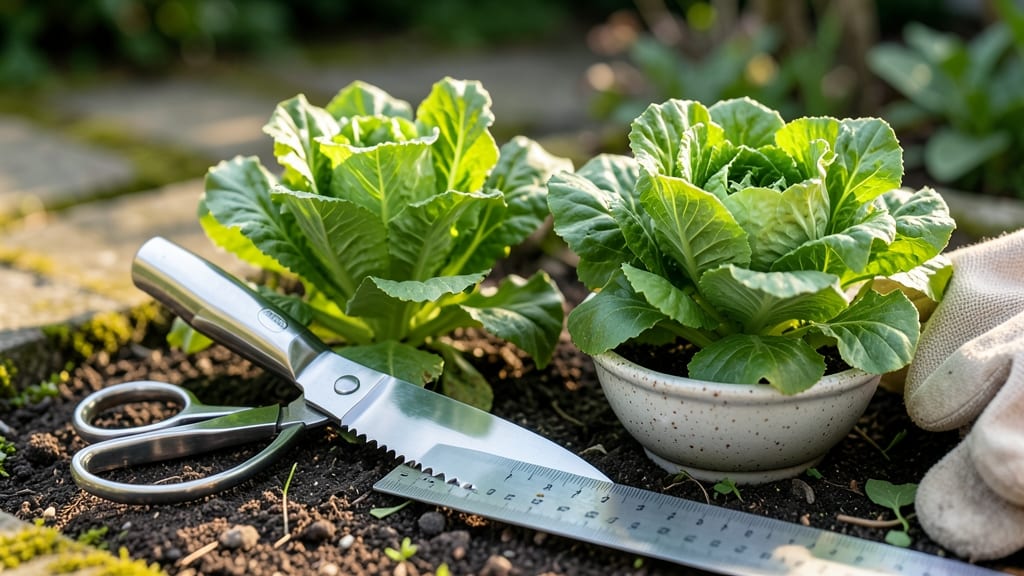
The correct way to cut lettuce for regrowth (step-by-step guide)
Lettuce is one of the most rewarding crops to grow because it regrows after harvesting—but only if you use the right technique. The key is to trim strategically so the plant stays healthy and keeps producing fresh leaves.
Unlike pulling the whole plant, cutting leaves stimulates new growth from the center.
Before you begin, check your lettuce variety. Leaf lettuce (like romaine or buttercrunch) regrows better than head lettuce (like iceberg). For leaf varieties, you can harvest up to 80% of the plant without harming regrowth. Head lettuce should only have outer leaves trimmed to avoid damaging the core.
Timing matters too. Harvest when outer leaves reach 4-6 inches long and look crisp. If you wait too long, the plant may bolt (go to seed) or become bitter. Early morning is the best time to cut, as leaves are firm and hydrated.
Tools you’ll need:
- Sharp garden shears or clean kitchen scissors
- A bowl for harvested leaves
- Watering can (for post-harvest care)
Step-by-Step: How to Cut Lettuce for Regrowth
-
Step 1: Choose Outer Leaves
Select the largest, most mature outer leaves (avoid the center). -
Step 2: Angle Your Cut
Hold shears at a 45-degree angle just above a leaf node (where new leaves grow). -
Step 3: Snip Cleanly
Cut 1/3 of the plant max to avoid stress. Leave the inner rosette intact. -
Step 4: Store Harvested Leaves
Place cut leaves in a bowl with ice water to keep them crisp for 3-5 days. -
Step 5: Water & Fertilize
Water the base deeply after cutting and add nitrogen-rich fertilizer (like fish emulsion) in 1 week.
After cutting, monitor your lettuce closely. If the center looks yellow or wilted, it’s overharvested. For leaf lettuce, you can repeat cuts every 2-3 weeks during the growing season. Head lettuce may only regrow a few leaves, so treat it as a partial harvest.
To encourage faster regrowth, thin out competing weeds and mulch around the base to retain moisture. Lettuce thrives in cool weather (50-75°F), so avoid harvesting during heatwaves, which cause bolting. If your plant bolts, it’s time to pull and replant.
Container-grown lettuce regrows just as well as in-ground plants, but check soil moisture daily—containers dry out faster. If you notice small, pale leaves after cutting, your plant needs more sunlight or nutrients. Move it to a sunnier spot or feed with a balanced fertilizer.
With this method, a single lettuce plant can produce harvests for 6-8 weeks or longer! The secret is patience and precision—never cut more than you need, and always leave the growth center intact. Soon, you’ll have a continuous supply of fresh greens without replanting.
🌱 For extra yield, try succession planting: Sow new seeds every 2 weeks alongside your regrowing lettuce. This ensures you always have fresh, ready-to-harvest greens.
The correct way to cut lettuce for regrowth (step-by-step guide)
Lettuce regrowth starts with the right cutting technique—never yank leaves or cut too close to the base. The key is selective harvesting that preserves the plant's energy.
For leaf lettuce like romaine or buttercrunch, focus on trimming outer leaves when they reach 4-6 inches long, leaving the inner leaves intact to keep growing.
For head lettuce varieties like iceberg or crisphead, avoid cutting the entire head. Instead, use a sharp knife to trim 1-2 inches from the outer leaves, leaving the core and inner leaves untouched. This method ensures the plant redirects energy to regrow while maintaining structural integrity.
After cutting, water the base immediately to reduce shock. Lettuce roots are shallow, so 1 cup of water per plant (or 500ml for larger varieties) helps replenish moisture lost during harvesting. Avoid overhead watering, which can spread disease through open cuts.
For maximum regrowth, fertilize with a nitrogen-rich feed (like 5-10-10) 24 hours after cutting. This boosts leaf production without overwhelming the plant. Repeat every 4-6 weeks during the growing season to sustain continuous harvests.
With this method, you’ll enjoy 3-4 successive harvests from a single planting—saving time, space, and seeds. Just remember: patience is key. Lettuce regrowth takes 2-3 weeks between cuts, but the payoff is worth it for gardeners who love fresh greens year-round.