
How To
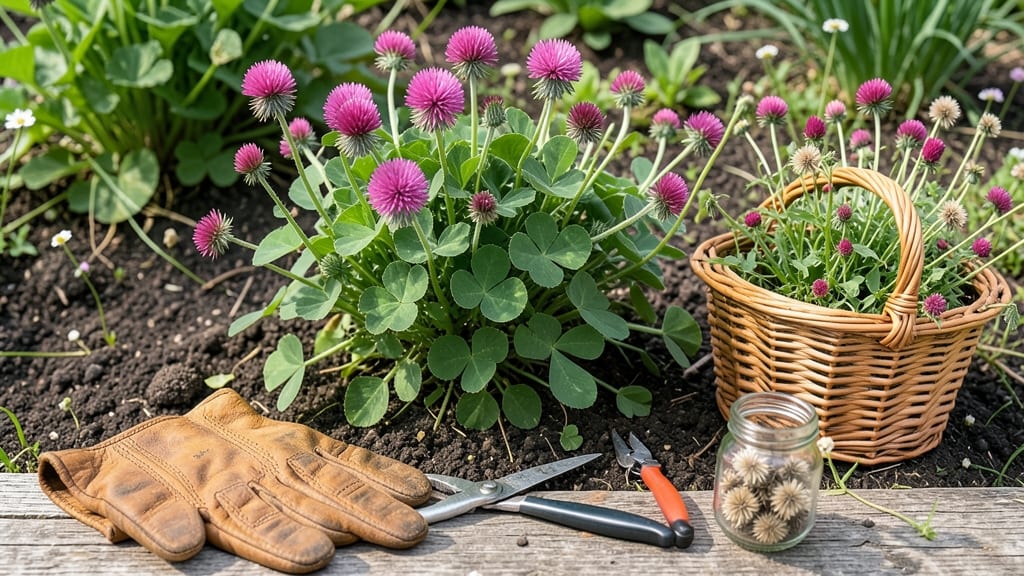
Mastering how to harvest red clover could transform your garden into a pollinator paradise—and your seed stash into a sustainable resource. This vibrant 🌼 isn’t just pretty; its seeds are a powerhouse for bees, butterflies, and organic gardening.
But timing is everything: harvest too early, and you’ll miss the bounty; too late, and the seeds scatter uselessly.
I’ve learned the hard way that patience pays off—waiting for those bright red blooms to fade just slightly before the seed pods form is the key. This guide will walk you through the exact signs to watch for, from vibrant petals to the first hints of seed development.
No more guesswork, just a reliable method to collect seeds at their peak.
You’ll also discover the simple tools you need (spoiler: most are already in your shed) and how to dry and store your harvest for long-term use.
Whether you’re saving seeds for next year’s garden or sharing them with fellow plant lovers, these steps ensure you get the most out of your red clover patch.
Ready to turn your clover patch into a seed goldmine? Let’s dive into the step-by-step process that’ll have you harvesting like a pro—no wasted blooms in sight.


When to harvest red clover for maximum seed yield
Timing your red clover harvest is the key to collecting high-quality seeds. The ideal harvest window occurs when 50-70% of flowers are fully open but before seed pods harden. This usually happens 60-90 days after planting, typically between late June and August in most USDA zones.
Watch for these visual cues to know when to harvest: bright red-purple blooms that are fully open, just-forming seed pods (not yet swollen), and vibrant green leaves. Avoid harvesting when flowers are partially closed or when seed pods turn brown and brittle—this means the seeds have already dispersed.
Your location and climate play a huge role. In warmer southern regions, red clover may bloom earlier (as early as May), while cooler northern zones might see peak bloom in July or August. Always check your frost dates—harvesting too late risks frost damage to the plants.
Environmental factors like rain and humidity also impact harvest timing. Avoid harvesting after rain—wet flowers and seed heads can mold quickly, reducing seed viability. Instead, wait for dry, sunny days with low humidity to ensure clean, dry seeds.
Here’s a quick reference to help you spot the perfect harvest stage:
| Stage | Visual Cues | Harvest Action |
|---|---|---|
| Bud Stage | Flowers tightly closed, no seed pods | Not ready |
| Peak Bloom | 50-70% flowers fully open, seed pods just forming | Harvest now! |
| Seed Pod Stage | Seed pods swollen, turning brown | Too late—seeds scattered |
If you’re unsure about the exact stage, perform a gentle tug test: pull a flower cluster. If the seed pods stay attached but the flowers release easily, it’s harvest time. If the pods pop off with no resistance, you’ve missed the window.
For organic gardeners, timing your harvest also means considering pollinator activity. Bees and butterflies love red clover, so avoid harvesting during peak pollination hours (10 AM - 3 PM) to protect these beneficial insects. Early morning or late afternoon harvests are ideal.
Pro tip: Mark your calendar with bloom dates from the previous year to predict harvest windows. Red clover often follows a 2-3 year cycle, with the first year producing minimal seeds and subsequent years yielding more. Plan accordingly!
Finally, remember that drought stress can accelerate seed formation. If your plants look wilting or stressed, they may mature faster, so monitor them closely during hot, dry spells to avoid missing the harvest window.
When to harvest red clover for maximum seed yield
Timing your red clover harvest is critical—wait too long, and you’ll miss the peak seed yield. The best time to harvest is when 70-80% of flowers are fully open but seed pods haven’t yet formed.
This usually occurs 60-90 days after planting, typically in late June to August in most U.S. climates. Watch for vibrant red-purple blooms with no visible seed heads yet.
Harvesting too early means unripe seeds, while waiting too long results in empty seed pods. Ideal conditions include dry, sunny weather—rain can cause seeds to mold. If you’re in USDA Zones 5-8, aim for late morning harvests to allow dew to dry off the plants.
Always prioritize mature flowers over buds for the best seed quality.
| Stage | Harvest Window | Key Indicators |
|---|---|---|
| Early Bloom | Not ready | Flowers partially open, seed pods invisible |
| Peak Bloom | Harvest now | 70-80% open, no seed pods, vibrant color |
| Late Bloom | Too late | Flowers browning, seed pods forming |
Location matters! In cooler climates (Zones 3-5), harvest may extend into early September, while warmer zones (6-10) see peak harvests as early as June. If your area experiences hot, dry summers, harvest earlier to avoid seed shriveling.
Always check weather forecasts—harvest on clear, wind-free days to prevent seed loss during collection.
For organic gardeners, avoid harvesting after pesticide applications (even natural ones) to ensure seed purity. If using companion plants like clover, harvest when neighboring plants (e.g., alfalfa or vetch) aren’t in bloom to reduce cross-contamination.
Pro tip: Harvest in batches—cut 1/3 of the plant at a time to ensure continuous seed production.
Never harvest wet clover—moisture accelerates mold growth. If rain is forecast, cover plants with a breathable cloth to protect blooms until conditions improve. Store harvested flowers in a well-ventilated, dry space (like a garage or shed) for 2-3 days before processing to ensure seeds dry properly.
Missed the harvest window? Don’t panic. Red clover often self-seeds, meaning new plants will sprout the following year. However, first-year seeds yield the highest quality, so plan ahead!
Mark your calendar for late June to early August—this 30-day window is your best shot at a high-quality harvest. 🌼