
How To
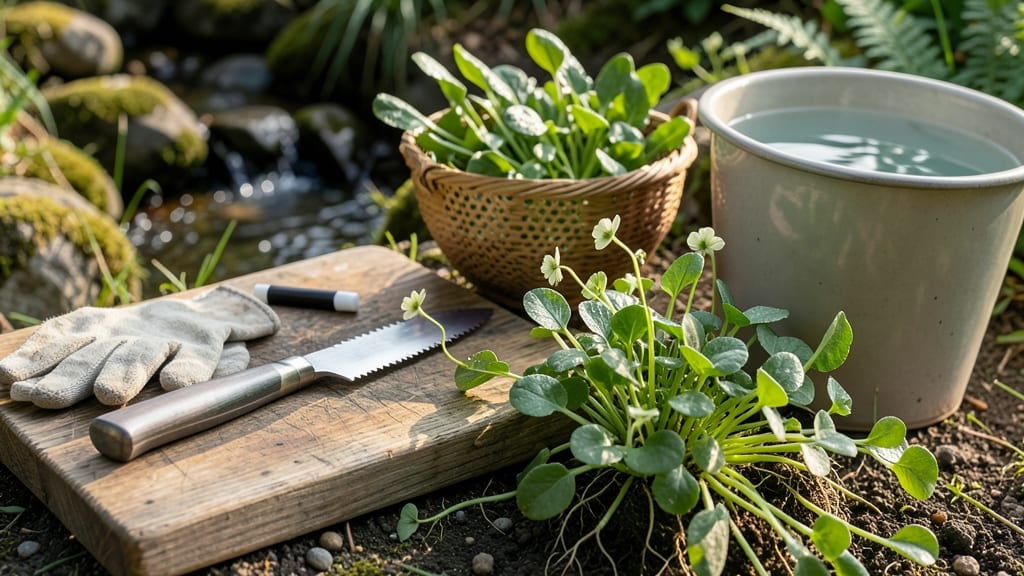
Mastering how to harvest watercress is the secret to enjoying its signature peppery flavor and vibrant greens all season long. This fast-growing 🌿 herb thrives when you time your harvests just right, ensuring tender leaves and robust regrowth.
Whether you're growing it in a shallow pond or a garden bed, knowing when and how to pick makes all the difference.
The key to successful harvesting lies in patience and precision. Wait until your watercress reaches about 4-6 inches tall, with fully developed leaves that are dark green and tender. Harvesting too early means smaller yields, while waiting too long can make the leaves bitter and woody.
I’ll show you exactly how to identify the perfect moment and which parts to trim for continuous harvests.
Beyond timing, the right technique keeps your plants happy and productive. Using sharp scissors or pruning shears, cut just above a leaf node to encourage new growth. This simple step prevents damage to the roots and ensures your watercress keeps coming back stronger.
Plus, I’ll share my top tips for storing your harvest so it stays fresh and flavorful for weeks.
Ready to transform your garden into a watercress powerhouse? Let’s dive into the step-by-step methods that will have you enjoying homegrown greens from May through October—or year-round if you’re in a mild climate. Your taste buds (and plants) will thank you!
When to harvest watercress for maximum flavor and yield
Timing your watercress harvest is everything—pick too early, and you’ll get bitter, underdeveloped leaves. Harvest too late, and the stems turn woody while flavor fades. The ideal window is when plants reach 4-6 inches tall with vibrant green leaves and tender stems that snap easily.
This usually happens 45-60 days after planting, but always check for these readiness signs first.
Spring and early summer offer the best flavor because cooler temperatures keep watercress tender and sweet. In warmer months, harvest more frequently to prevent bitterness. Avoid harvesting when plants are flowering—they’ll taste harsh and lose regrowth potential.
Mornings are the best time to harvest because leaves are hydrated and packed with nutrients. Wait until after dew dries (around 8-9 AM) to prevent fungal issues.
If you’re growing watercress in containers or ponds, check for fully submerged leaves—these are ready first since they grow faster in water.
Overharvesting is a common mistake that stunts growth. Never remove more than one-third of the plant at once. Look for yellowing leaves or sparse regrowth—these are red flags.
If your watercress bolts (sends up a flower stalk), it’s past its prime for harvesting. Cut it back to the base and compost it to avoid spreading seeds unintentionally.
Seasonal adjustments matter: In spring, harvest every 2-3 weeks for steady growth. By late summer, reduce frequency to every 3-4 weeks to let plants recover. If you’re in a mild climate, you can harvest year-round, but flavor peaks in cool months.
🌱 Watercress Harvest Readiness Guide
| Stage | Height | Leaf Color | Stem Condition | Action |
|---|---|---|---|---|
| Early Growth | Under 4" | Pale green | Soft, not elongated | Wait |
| Optimal Harvest | 4-6" | Dark green | Tender, snaps easily | Harvest outer leaves |
| Overmature | Over 8" | Yellowing | Woody | Cut back hard |
| Flowering | Any height | Green with buds | Stalks present | Remove entire plant |
Pro tip: Use a small pair of scissors or clean pruners to snip leaves just above a leaf node. This encourages bushier regrowth and prevents disease. Avoid pulling leaves by hand—it damages stems and invites pests.
If your watercress is growing in water, harvest only the topmost leaves to keep the submerged roots intact.
After harvesting, rinse leaves gently under cool water to remove dirt or algae. Pat dry with a clean towel and store in a perforated plastic bag in the fridge for up to 5 days. For long-term storage, blanch and freeze—this preserves peak flavor and nutrients.
Remember: Consistent harvesting is key to a continuous supply. If you let watercress go too long between harvests, it’ll bolt or become less flavorful. Aim to harvest every 2-3 weeks** during peak growing months to enjoy fresh, peppery greens all season.
Step-by-step watercress harvesting techniques for healthy regrowth
Harvesting watercress correctly is the secret to keeping your plants productive and flavorful for months. Unlike many greens, watercress thrives when you cut it back regularly, but only if you use the right techniques.
The key is to avoid damaging the roots while encouraging bushier regrowth—here’s exactly how to do it.
Start by selecting the outer leaves and stems first, leaving the inner growth intact. This mimics natural pruning and prevents bitter, woody stems from forming.
Use clean, sharp scissors or pruning shears to cut 2-3 inches above the base—never tear leaves by hand, as this can damage the plant and invite pests.
Never remove more than 1/3 of the plant at once—this stresses watercress and can lead to stunted regrowth or death. If your plant looks sparse after harvest, it’s a sign you’ve cut too much.
For container-grown watercress, focus on harvesting the longest stems first to maintain balance. In ponds or shallow water, gently lift stems by hand (no cutting needed) and rinse immediately to remove debris.
Always harvest in the morning after dew has dried—this ensures the leaves stay crisp and reduces stress on the plant.
After harvesting, give your watercress a light fertilizer boost (like diluted fish emulsion) to encourage rapid regrowth. Within 2-3 weeks, you’ll see new shoots emerging from the base—this is your reward for proper harvesting! For year-round production, space harvests every 3-4 weeks during the growing season.
Pro tip: Save the largest stems for stir-fries or sandwiches, while the tender younger leaves are perfect for salads. This selective harvesting keeps your plant balanced and productive while giving you a variety of textures to enjoy.
If your watercress starts to bolt (flower), it’s time to harvest everything immediately. Flowering signals the end of the plant’s productive cycle—once it bolts, the leaves become bitter and tough, and regrowth won’t happen. Don’t let this happen by staying on top of regular harvests!