
How To
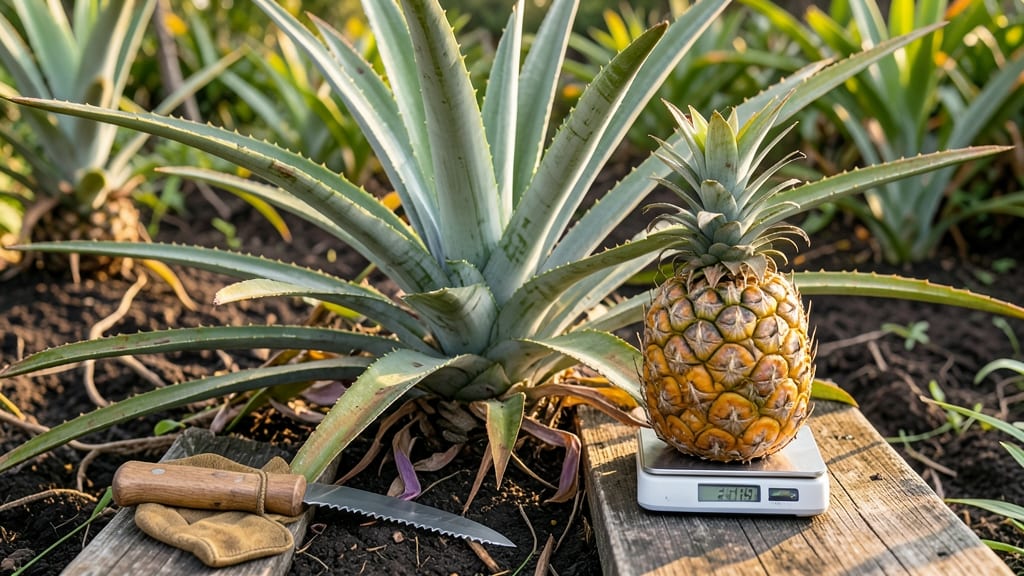
There’s nothing worse than slicing into a pineapple only to find out how to know when a pineapple is ready to pick too late—whether it’s still hard as a rock or, worse, mushy and overripe.
Knowing exactly when to harvest your pineapple means the difference between a perfectly sweet, juicy reward and a disappointing bite. The good news? You don’t need a degree in botany to spot the signs.
Start by checking the base of the fruit. A ripe pineapple will have a golden-yellow hue where it meets the stem, while the rest of the skin stays green. But don’t stop there—gently squeeze the fruit. If it gives just a little (like a ripe avocado), it’s ready.
And here’s a pro tip: pull back one of the bottom leaves. If it comes off easily with a slight tug, your pineapple is begging to be picked.
Climate matters, too. In tropical zones, pineapples ripen faster, while cooler areas might need a little extra patience. Whether you’re growing yours in a greenhouse or a sunny backyard, these tricks will help you time the harvest just right.
Let’s break down the three foolproof ways to know when your pineapple is finally ready for the table.
Once you master these signs, you’ll never second-guess harvest time again. No more guessing games—just sweet, perfectly ripe pineapples every time. Ready to learn the exact steps? Let’s get started.
3 Visual signs your pineapple is ready to pick
Pineapples don’t ripen like most fruits—once picked, they won’t sweeten further. That’s why spotting the perfect harvest moment is critical. I’ve grown pineapples in USDA Zones 10-12, and these three visual cues never fail me.
The first is the leaf color transformation: healthy green leaves near the base start turning yellow-brown, signaling maturity. This change happens naturally as the fruit diverts energy to ripening.
Next, check the fruit’s skin color. A ripe pineapple shifts from greenish-yellow to a golden-yellow hue—this isn’t just surface color. Run your thumb over the rind: if it feels slightly rough (like sandpaper), it’s ready.
Smooth skin means it’s underripe, while overly waxy skin suggests overripeness. I once picked one too late, and the texture felt slippery—a dead giveaway!
Here’s where most gardeners miss the mark: the stem test. Gently twist the leafy crown at the top. If it pops off easily (with a slight resistance), your pineapple is ripe.
No movement? Wait a few days. Too loose? It’s overripe. Pro tip: The stem should separate cleanly—no tearing of the fruit underneath.
-
1. Base Leaves Turn Yellow-Brown
Check the lowest 3-4 leaves. If they’re drying and crisp, the fruit is ready. -
2. Skin Color: Golden-Yellow
Run your thumb over the rind—it should feel slightly rough like sandpaper. -
3. Stem Twists Off Cleanly
Grip the leafy crown and twist. If it pops off with minimal force, it’s ripe!
Don’t rely on fruit size alone—some pineapple varieties (like Sugarloaf) stay compact but ripen perfectly. Instead, combine all three signs. I’ve harvested Queen and Red Spanish varieties using this method, and the flavor difference is night-and-day compared to store-bought.
One mistake I see often? Checking ripeness in the morning shade. Color tests are most accurate in direct sunlight—the golden hue is harder to spot in dim light.
Also, avoid picking after heavy rain, as moisture can mask the natural color shift. Always harvest on a dry, sunny day for the best results.
If your pineapple meets all three signs but still feels too firm, it might need 1-2 more days on the plant. Overripe pineapples develop a fermented smell near the base and feel mushy when squeezed gently.
Trust your senses—if something feels off, wait another day. Patience pays off with peak sweetness!
For gardeners in cooler climates (like Zone 9), pineapples may ripen slower. Extend your growing season with black plastic mulch to retain heat, and monitor ripeness weekly during late summer. The key is consistency—check the same signs every 3-4 days once the fruit reaches half its mature size.
Remember: A ripe pineapple’s aroma is the final clue. Near the base, you’ll detect a sweet, tropical fragrance—like a mix of pine and citrus. If you smell nothing, it’s not ready.
This scent is your green light to harvest. Once you’ve confirmed all signs, use a sharp knife to cut the stem, leaving 1 inch of the crown attached for storage.
Now that you’ve mastered the visual cues, your next question might be: What if my pineapple isn’t ripe yet? Stay tuned for my next section on speeding up ripening naturally—including a trick I learned from Hawaiian farmers that works like magic! 🌿
How to test pineapple ripeness without cutting it open
Testing a pineapple’s ripeness without cutting it open is all about using your senses—touch, sight, and even sound. These methods let you confirm readiness without damaging the fruit, so you can enjoy the perfect harvest every time.
Start by examining the base of the pineapple, where the most reliable clues appear.
First, check the color of the base. A ripe pineapple will have a golden-yellow hue at the bottom, often with brown spots where the fruit meets the stem. Avoid green bases, as they signal underripeness. This color change happens naturally as sugars develop inside the fruit.
Next, perform the leaf pull test. Gently grasp one of the outer leaves near the base and pull upward. If it slides out easily with just a little resistance, your pineapple is ready.
If the leaf resists or snaps, it’s not ripe yet. This test reveals how firmly the fruit is attached to the plant.
Don’t overlook the weight test. A ripe pineapple feels heavy for its size, indicating high juice content. Hold it in your hand—if it feels light, it’s likely underripe. Pair this with the squeak test: roll the pineapple gently on a flat surface.
A ripe one will make a soft squeaking sound due to its firm yet juicy interior.
Finally, ignore the myth about smelling the pineapple. Unlike some fruits, pineapples don’t release a strong scent until they’re overripe. Instead, trust the visual and tactile clues above—they’re foolproof.
If you’re growing pineapples in a temperate climate, these tests are even more critical, as cooler weather can slow ripening.
Once you’ve confirmed ripeness, harvest your pineapple by twisting it gently at the base. If it resists, let it ripen another 2-3 days before trying again. With these tests, you’ll never miss the perfect harvest again! 🌱