
How To
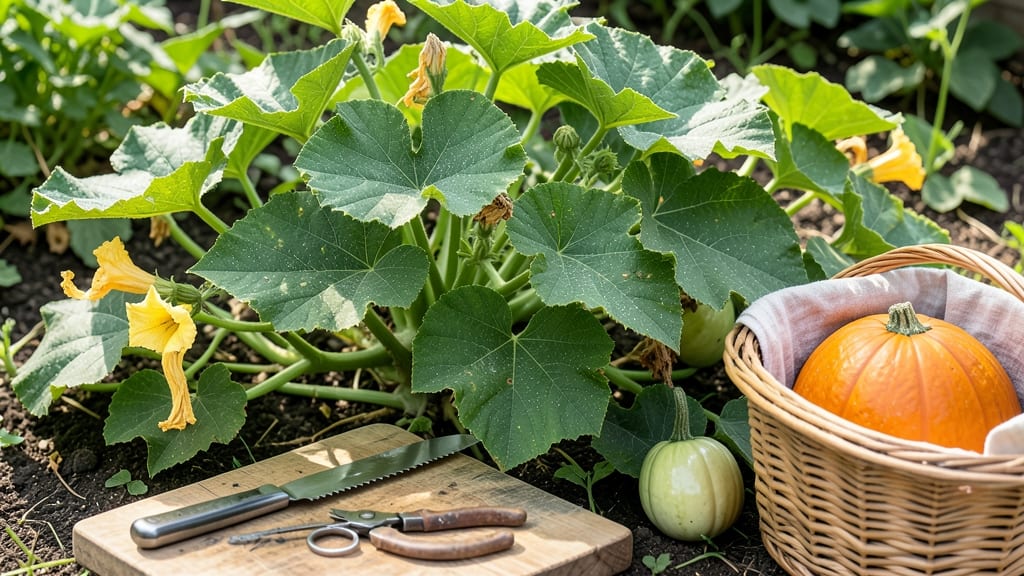
How to know when your squash is ready to pick can mean the difference between a meal-worthy harvest and one that’s tough or bland. The key lies in simple, hands-on tests that most gardeners use daily—no fancy tools required. I’ll show you exactly what to look (and feel) for, so you never miss the perfect moment.
From checking the rind’s firmness to spotting subtle color changes, these 3 tactile tests take the guesswork out of harvesting. Whether you’re growing zucchini or butternut, these cues apply across varieties. Let’s break down how to tell when your squash is at its peak.
Timing matters too—harvesting before frost and at the right time of day preserves flavor and texture. You’ll also learn how to avoid common mistakes that lead to overripe or underripe squash. Ready to master the art of picking? Let’s get started.
By the end, you’ll confidently recognize the signs of readiness, ensuring your garden’s bounty tastes fresh and delicious. No more second-guessing—just perfect squash, every time.
3 Tactile tests to determine squash ripeness (with visual clues)
When I first started growing squash, I’d pull fruits off the vine too early—soft, watery, and disappointing. The key? Learning to read three tactile tests that reveal ripeness without cutting into the squash.
These methods work for summer squash (zucchini, yellow squash) and winter squash (butternut, acorn, pumpkins), though the timing and cues vary slightly.
Start by examining the skin texture. A ripe squash has a hard, glossy rind that resists pressure from your fingernail. If it dents easily, it’s not ready.
For winter squash, the skin should feel thick and papery—like a football, not a water balloon. This test alone saves me from harvesting prematurely every season.
Next, check the stem separation. Gently twist the squash at its stem end. If it separates cleanly with minimal resistance, it’s ready. A stubborn stem means it needs more time.
This trick works best in the morning after dew has dried, when stems are firmer. I’ve learned to avoid picking after rain, as stems can appear deceptively loose.
Finally, observe the color and size. Summer squash should be deep green, yellow, or golden with no pale patches. Winter squash develops rich, consistent hues—orange for butternut, deep green for acorn.
Size matters too: summer squash typically 6–12 inches long, while winter squash reaches 8–12 inches in diameter. Overlooking these details leads to bland or seedy squash.
Press a fingernail into the skin. If it doesn’t dent, it’s ready! Summer squash should feel slightly firm; winter squash rock-hard.
Twist the stem gently. If it snaps cleanly, harvest now! A stubborn stem means wait 2–3 days.
Summer squash: 6–12", vibrant color. Winter squash: 8–12", deep, even hues.
For variety-specific tips, zucchini and yellow squash ripen fastest—often in 45–55 days. Butternut and acorn squash take 80–100 days and need those hard rinds. I once harvested a butternut too early because I ignored the stem drying clue.
It tasted mealy and lacked sweetness. Now, I mark my calendar 2 weeks before frost to prioritize winter squash.
Pro tip: Use a sharp pruning shears to cut squash from the vine, leaving a 1-inch stem. This prevents rot and extends shelf life. Avoid dragging squash—it bruises easily, inviting pests and disease. I’ve lost entire harvests to squash vine borers because bruised fruits attracted them.
One common mistake? Relying solely on size or color. A pale green zucchini might look small but be perfectly ripe inside. Always pair visual cues with the firmness test.
For winter squash, a hollow sound when tapped (like a pumpkin) confirms readiness. I test this by tapping gently with my knuckles—ready squash rings clear.
Remember, overripe squash becomes seedy, tough, and stringy. Summer squash left too long on the vine turns woody, while winter squash develops bitter flesh. When in doubt, harvest slightly early—squash continues ripening off the vine for 3–5 days at room temperature.
Store them in a cool, dry place (50–55°F) to slow further ripening.
Finally, keep an eye on the vine’s health. A stressed plant (from drought or pests) produces smaller, less flavorful squash. Healthy vines yield sweeter, more tender fruits. I’ve found that morning harvests taste best because the squash hasn’t absorbed daytime heat, which can make them watery.
With these three tactile tests, you’ll never guess again. Next time you’re in the garden, grab a squash, press your nail, twist the stem, and admire the perfectly ripe harvest you’re about to enjoy! 🎃
3 Tactile tests to determine squash ripeness (with visual clues)
Squash ripeness isn’t just about size—it’s about texture, color, and subtle cues that tell you the perfect moment to harvest. I’ve used these three hands-on tests every season, and they’ve saved me from picking squash too early (and wasting flavor) or too late (and dealing with overripe messes).
The key is combining visual clues with physical checks to avoid guesswork.
First, focus on the skin’s firmness. A ripe squash should feel hard enough to resist gentle pressure from your fingernail. Press your nail into the skin near the stem—if it springs back, it’s not ready.
If it leaves a dent, you’ve waited too long. This test works for zucchini, yellow squash, and winter varieties alike.
Next, examine the stem attachment. A ripe squash’s stem should twist off easily with a slight tug—no resistance. If the stem pulls away but leaves a small nub, that’s ideal. This indicates the squash has fully matured and is ready for harvest.
I’ve found this trick especially useful for butternut and acorn squash, where the stem can be tricky to spot.
Finally, check the color consistency. Ripe squash should have a uniform, deep hue—no pale or green patches. For example, a yellow squash should be bright gold, while a zucchini should be glossy dark green.
Uneven coloring often means the squash needs more time on the vine. Pro tip: Hold the squash up to sunlight to spot subtle color shifts.
Don’t forget to compare the squash’s size to its variety. A 6-inch zucchini is perfect, but a 12-inch butternut should feel heavy for its size. If it’s lighter than expected, it’s likely underripe. Weighing it in your hand can be a surprisingly accurate gauge—ripe squash feels dense and solid.
Combine these tests for foolproof results. For instance, if your squash passes the firmness and color checks but the stem won’t twist off, give it another 2–3 days.
And if you’re growing multiple varieties, keep a small notebook to track which tests work best for each—zucchini and summer squash ripen faster than winter squash, so timing matters!