
How To
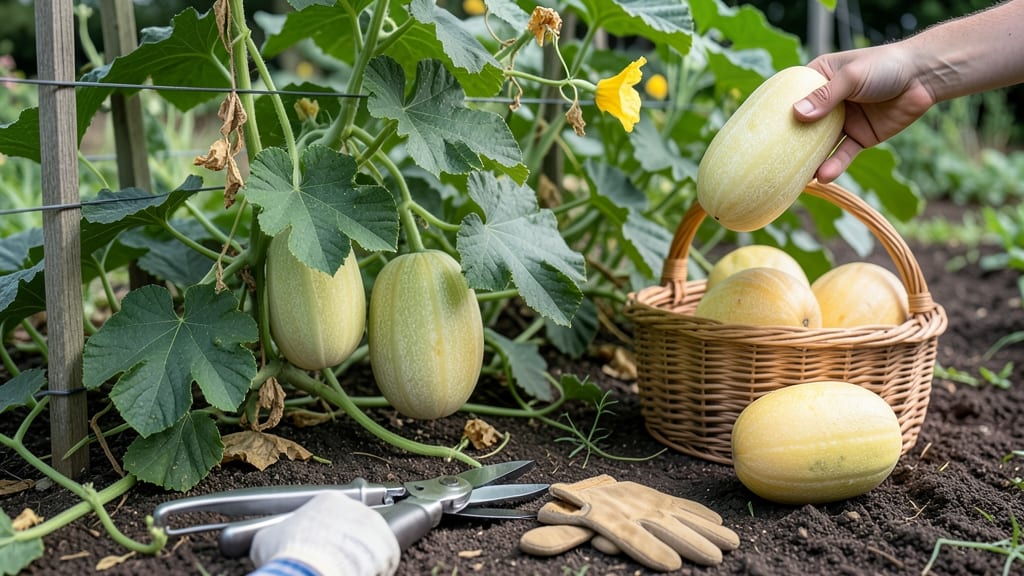
There's nothing worse than biting into a Canary Melon 🍈 that's either rock-hard or mushy—both are dead giveaways you picked it at the wrong time. The good news?
Learning how to pick canary melon at peak ripeness is easier than you think, and I’ve got the foolproof tricks to guarantee sweet, juicy results every time.
Most people assume a bright yellow stem means instant ripeness, but that’s only half the story. The real secret lies in combining stem color, weight, and even a little "thump test" to nail the perfect moment.
Whether you're harvesting from your own garden or selecting at the farmers' market, these cues will save you from disappointment.
You’ll also discover why timing matters—like harvesting between July and September in zone 6a—and how to spot subtle signs of overripeness before it’s too late. No more guesswork, just confident melon-picking that turns every slice into a flavor win.
Ready to master the art? Let’s break down the exact steps so you never second-guess a Canary Melon again.
Canary melon ripeness guide: what stem color reveals about sweetness
The stem color of a canary melon is your first clue to sweetness, but it’s not as simple as "yellow = ripe." The stem’s hue shifts through stages, each signaling a different level of ripeness—and flavor.
For example, a bright yellow stem often means peak sweetness, but a green stem or brown patches can indicate underripeness or overripeness, respectively.
Regional differences also play a role. In warmer climates, stems may turn yellow faster due to accelerated ripening, while cooler zones**> like zone 6a might see slower color changes. Understanding these variations helps you avoid bitter melons or those that never fully develop their signature sweetness.
Let’s break down what each stem color truly means for your melon’s readiness. The key lies in combining color cues with other ripeness tests—like weight and texture—for foolproof results every time.
| Stem Color | Ripeness Stage | Flavor & Texture | Action |
|---|---|---|---|
| Bright yellow | Peak ripeness | Sweet, juicy, firm flesh | Harvest immediately |
| Yellow with green base | Near-ripe | Slightly sweet, firm | Wait 1-2 days |
| Green or greenish-yellow | Underripe | Bitter, hard flesh | Avoid or wait longer |
| Brown or dried | Overripe | Mushy, fermented | Discard |
A bright yellow stem is your golden ticket to a perfect canary melon, but don’t stop there. Pair this visual cue with the weight shift test—a ripe melon feels heavier on one end when you lift it.
This shift happens because the fruit’s sugars concentrate as it ripens, making one side slightly denser.
If you’re harvesting from your garden, pay attention to the seasonal timing. In zone 6a, melons typically reach peak ripeness between July and September, but heatwaves can speed up maturation. Always check the stem color first, then confirm with the weight test to avoid underripe or overripe fruit.
Pro tip: A ripe canary melon should also have a slightly soft skin when gently pressed near the stem. If it feels rock-hard or overly mushy, it’s not ready—or it’s past its prime. This tactile check adds another layer of confidence to your selection process.
For gardeners in cooler climates, keep an eye on stem resistance. A ripe melon’s stem should detach easily with a slight twist, while an unripe one will resist. This simple trick saves you from harvesting too early and ending up with bland, seedy melons.
Finally, don’t overlook the aroma test. A ripe canary melon emits a sweet, floral scent near the stem. If it smells neutral or sour, it’s not ready. Combine all these cues—color, weight, texture, and aroma—and you’ll never pick a subpar melon again.
Now that you’ve mastered stem color, let’s dive into the weight, sound, and texture tricks to confirm ripeness without cutting into your melon. These techniques will give you even more confidence at the farmers' market or in your own garden.
Canary melon ripeness guide: what stem color reveals about sweetness
If you’ve ever wondered why some Canary Melons taste sweeter than others, the answer starts with the stem color. This isn’t just about a bright yellow hue—it’s a science of maturity that tells you exactly when to harvest for peak flavor.
I’ve seen gardeners overlook this clue and end up with bitter or bland melons, so let’s decode what each color means.
The stem color shifts through three key stages: green, yellow, and brown. Each phase corresponds to a different level of ripeness, and ignoring these signals can lead to disappointment. For example, a fully green stem means the melon is still developing, while a brown stem might indicate overripeness.
The sweet spot? A vibrant yellow stem with just a hint of brown at the base.
| Stem Color | Ripeness Stage | Flavor Profile | Texture |
|---|---|---|---|
| Green | Underripe | Bland, grassy | Hard, firm |
| Yellow | Perfectly ripe | Sweet, juicy | Firm but slightly soft |
| Brown | Overripe | Fermented, mushy | Soft, mushy |
🌱 Pro Tip: Check for a yellow stem with a slight brown base for the best balance of sweetness and texture.
Regional differences can also play a role in stem color. In cooler climates like USDA Zone 6a, melons may take longer to develop that signature yellow hue, while warmer zones might see faster color shifts.
If you’re harvesting between July and September, keep an eye on the stem—it’s your best indicator of when the melon is ready to pick.
Don’t forget to pair stem color with other ripeness cues, like the weight shift test or the thump test. A melon with a yellow stem but a hollow sound when tapped might still need time on the vine.
Combining these methods ensures you’re always picking melons at their absolute peak.
Once you master this trick, you’ll never second-guess a Canary Melon again. The next step? Learning how to test for ripeness beyond just the stem color—because even the best visual cues need a little extra confirmation.
🍈